

On October 22, 2026, La Dolce Vita Orient Express departed Rome on its first international journey to Istanbul. The milestone coincides with the release of a documentary exploring the making of the train and a new chapter in the evolution of the Orient Express brand. Behind the elegance lies a compelling story of entrepreneurial vision, Italian craftsmanship and the enduring human appeal of travel.
Few names in travel carry the evocative power of Orient Express. For generations, it has represented a world in which the journey itself was an occasion, where crossing borders meant discovering cultures, landscapes and people along the way.
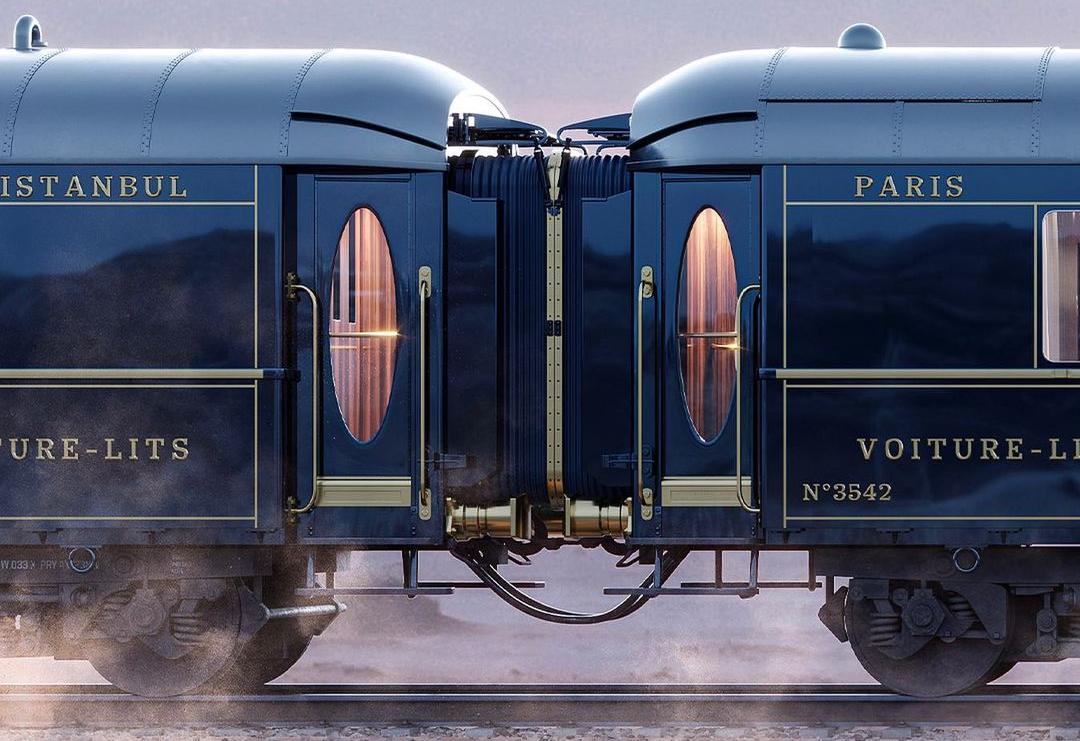
On October 22, that tradition found a contemporary expression as La Dolce Vita Orient Express departed Rome's Ostiense station for Istanbul, marking the train's first international journey.
The five-day, four-night itinerary travels through Venice, Budapest and Transylvania before reaching the shores of the Bosphorus.
More than a new route, the journey reflects a growing appreciation for travel that allows time for discovery, where the experience unfolds gradually rather than being compressed into a succession of destinations.
An Italian vision brought to life
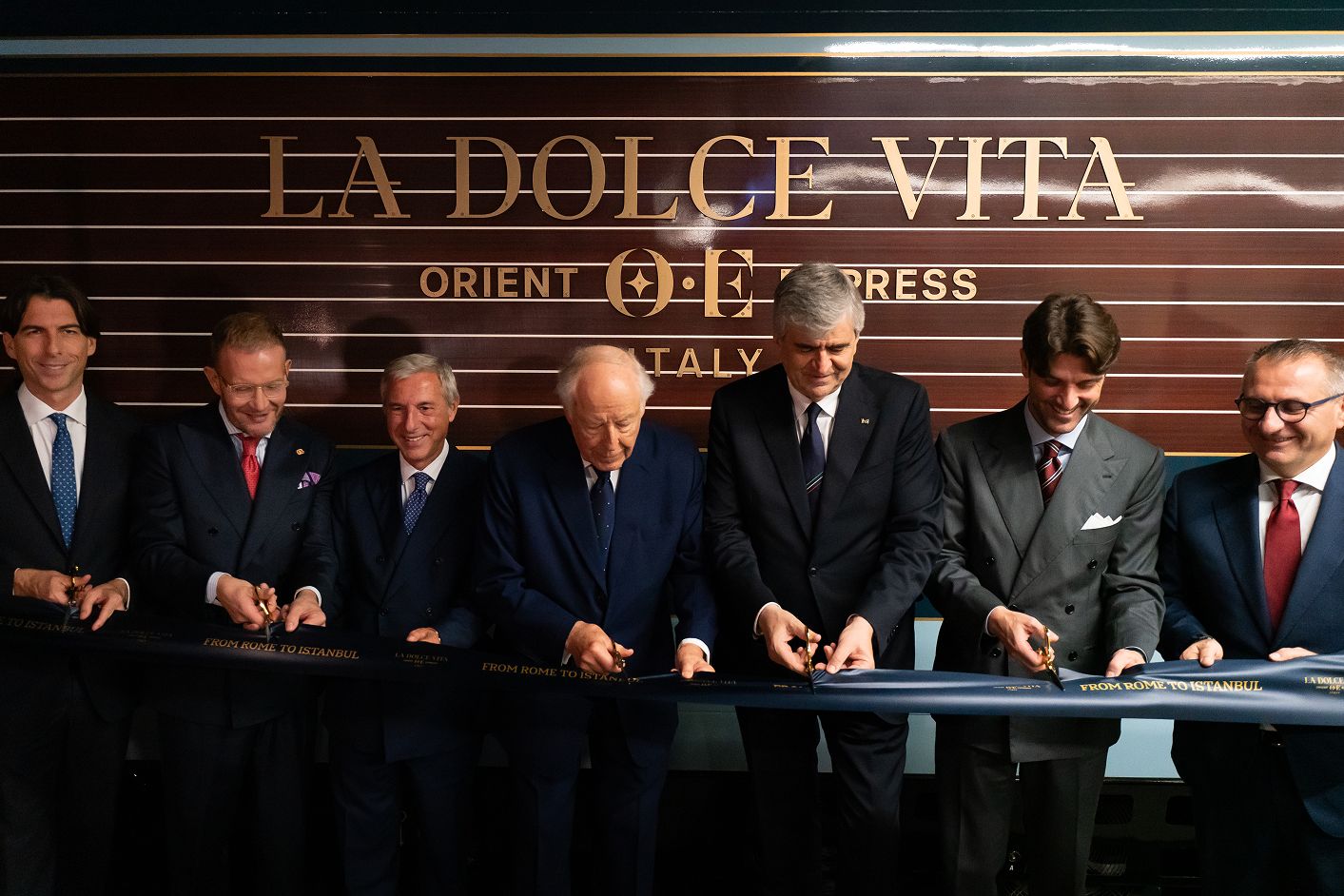
At the heart of La Dolce Vita Orient Express is the entrepreneurial vision of Paolo Barletta, founder and CEO of Arsenale Group, the Italian company behind the project.
Developed in collaboration with Orient Express and Italian railway partners, the train brings together industrial expertise, contemporary design and a celebration of Italian heritage.
Its interiors, designed by Dimorestudio, evoke the creative spirit of 1960s Italy, while the cuisine of three-Michelin-starred chef Heinz Beck adds another dimension to the journey.
Yet the story behind the experience may be just as interesting as the experience itself.
A newly released documentary, Un Anno in Italia – In viaggio sul treno La Dolce Vita, directed by Raphael Tobia Vogel and produced by Clipper Media for Arsenale, offers a closer look at the people and processes involved in bringing the project to life.
Now available on RaiPlay, the film follows the creative and industrial journey behind the train, from the transformation of railway carriages to the design decisions and craftsmanship that define its character.
It is a story of engineers, designers, craftspeople and specialists whose collective expertise makes an apparently effortless luxury experience possible.
In an industry often focused on the finished product, the documentary draws attention to something equally valuable: the human skills, patience and dedication behind exceptional hospitality.
A heritage that continues to evolve
La Dolce Vita Orient Express forms part of the wider renaissance of Orient Express, driven by Accor and its strategic partnership with LVMH.
The brand's growing universe of luxury trains, heritage hotels and sailing yachts reflects an ambition to reinterpret its legacy across different forms of travel.
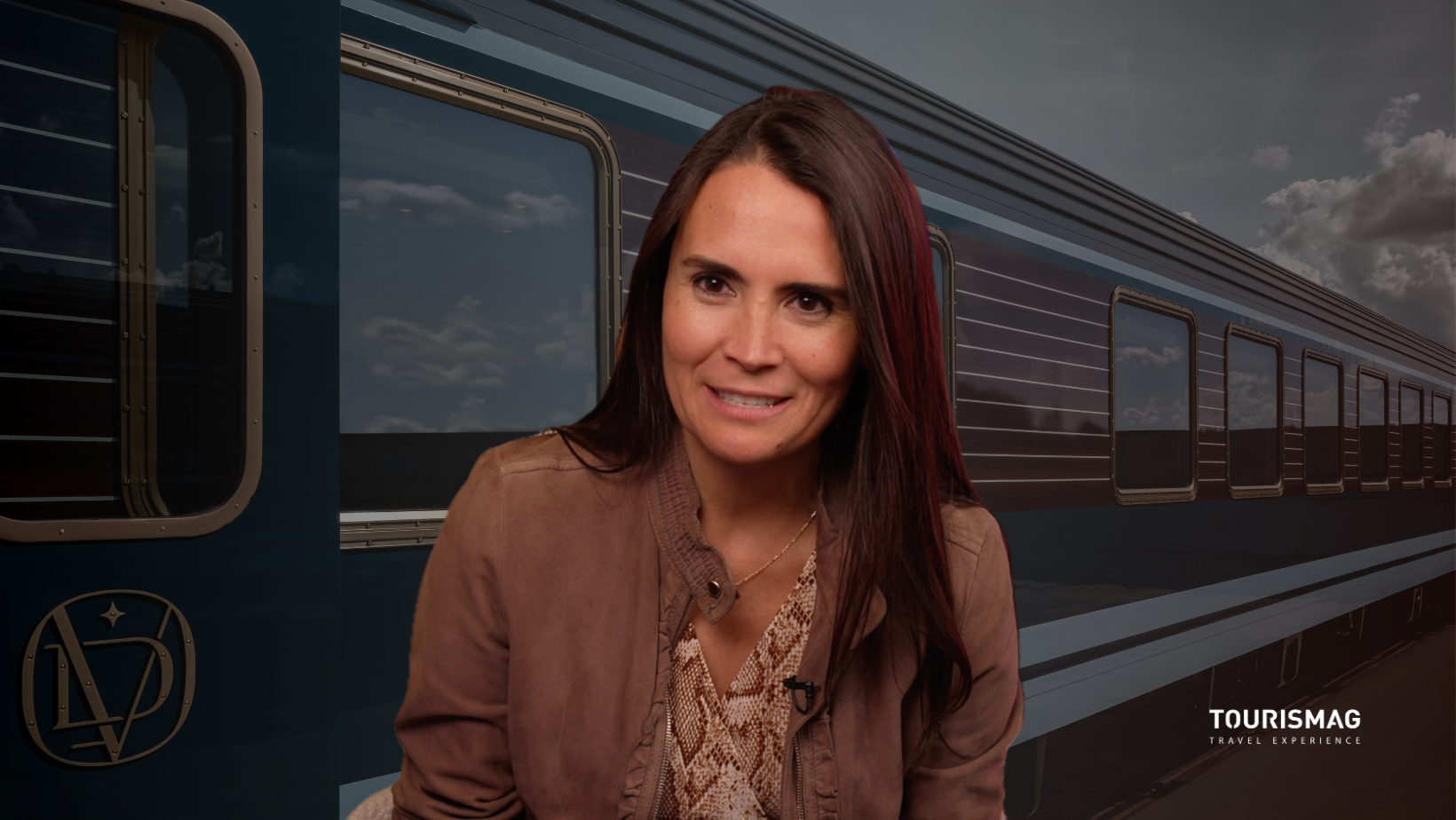
It also brings to mind a conversation I had with Gilda Pérez-Alvarado, then CEO of Orient Express, during TOURISE 2025 in Riyadh.
In our exclusive interview for Tourismag, Gilda spoke about luxury in terms that extended well beyond design, comfort and exclusivity.
Luxury today is about memories, human connections and the feeling of belonging to a community of curious, like-minded travellers.
Her words still resonate today.
The journey from Rome to Istanbul offers a fitting illustration of that philosophy. Beautiful surroundings and impeccable service may shape the experience, but the encounters, discoveries and memories are what ultimately give it meaning.
Gilda Pérez-Alvarado helped guide an important chapter in the renaissance of Orient Express. She now focuses fully on her role as Accor's Group Chief Strategy Officer, while Amélie Thiriet, formerly with LVMH Hotel Management, has taken the helm as the brand's new CEO.
The transition comes as Orient Express moves into its next phase of international development.
As its portfolio expands, maintaining a distinctive identity across different destinations and experiences will be essential. The challenge is not simply to grow, but to preserve the attention to culture, place and human connection that makes the brand meaningful.
The quiet value of taking time
The Rome–Istanbul journey is not an attempt to recreate the past exactly as it was. Rather, it offers a contemporary interpretation of the great railway journey, combining modern hospitality with an appreciation for heritage and discovery.
Its significance also extends beyond luxury rail travel.
For an industry increasingly concerned with creating meaningful experiences, Orient Express offers an interesting reminder that value does not always come from adding more.
Sometimes it comes from allowing travellers the time to notice, to connect and to appreciate the places they pass through.
And perhaps that is what makes this latest chapter particularly relevant.
The most memorable journeys are not necessarily those that take us the furthest, but those that stay with us long after we return.
And of course, no Orient Express story would be complete without a nod to Agatha Christie, who turned the legendary train into the setting of an unforgettable mystery. This time, let's hope the only suspense on board comes from the delightful surprises waiting along the journey…
Further reading
Our exclusive interview with Gilda Pérez-Alvarado: Orient Express, Travel as a Living Masterpiece
Watch Un Anno in Italia – In viaggio sul treno La Dolce Vita on RaiPlay