
Luxury is no longer merely a matter of codes or opulence. Today, it is defined by the emotion it evokes, the authenticity it conveys, and the quality of the connections it creates. The legendary Orient Express fully embodies this distinctive vision of travel.
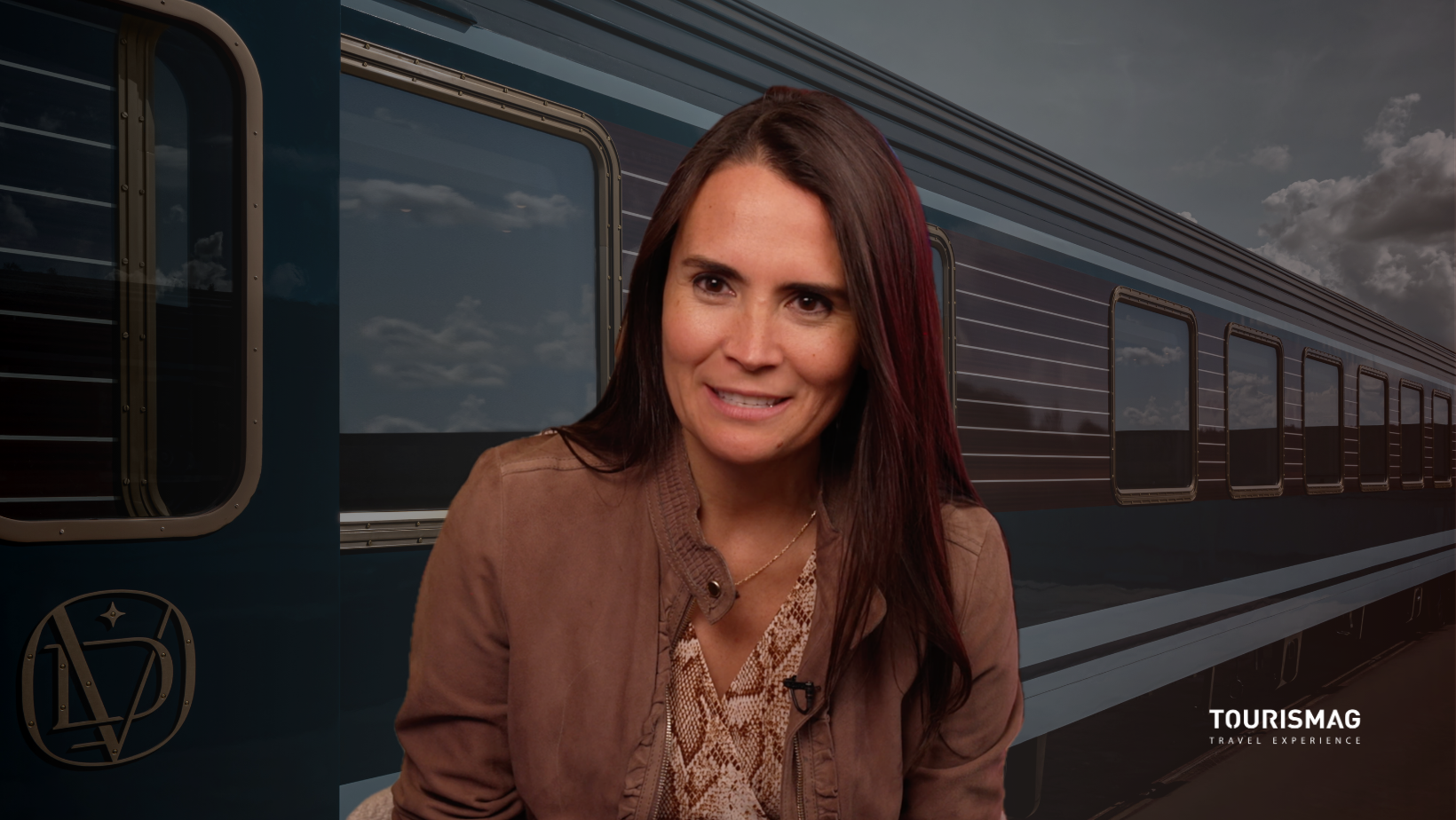
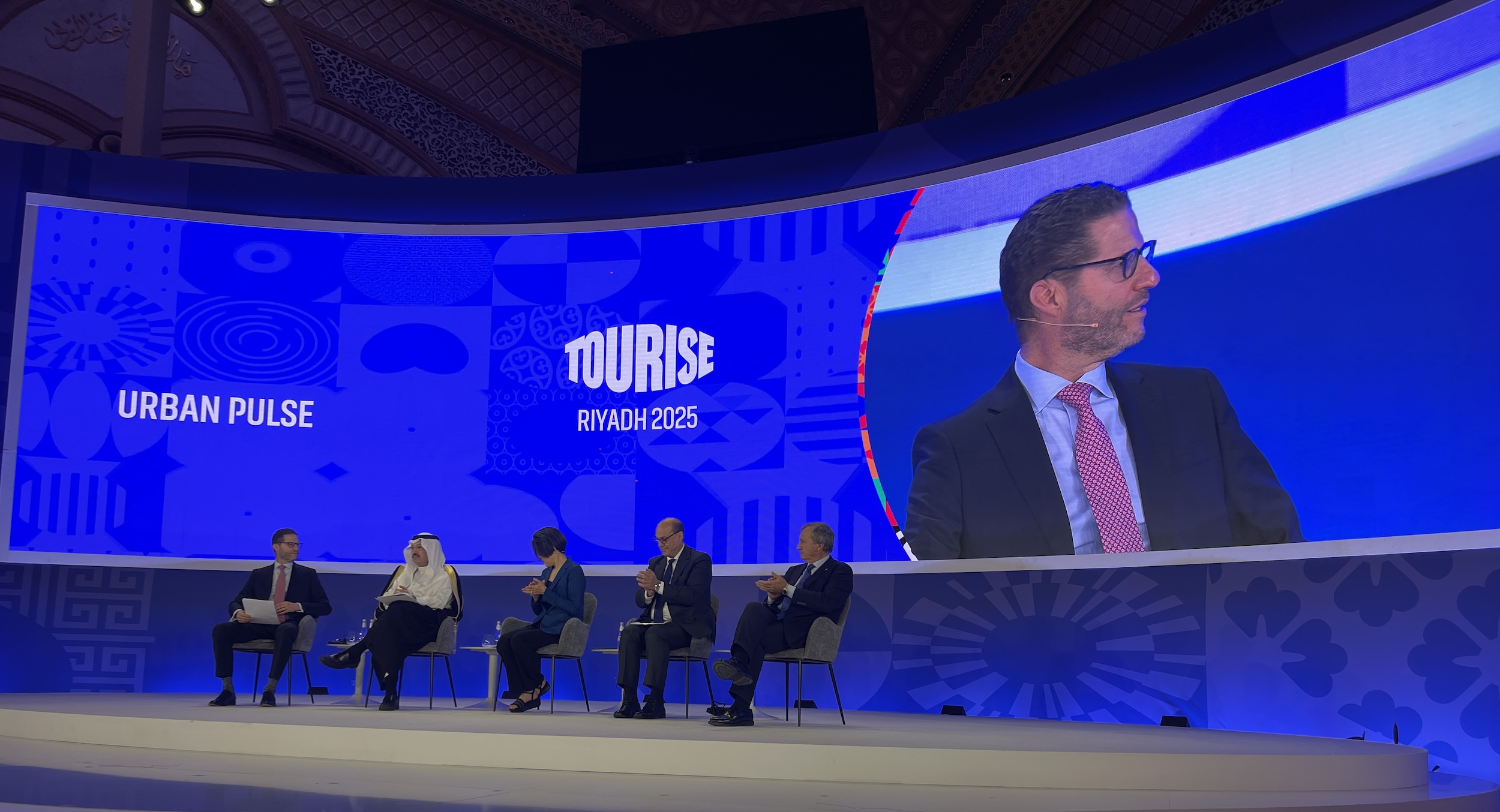
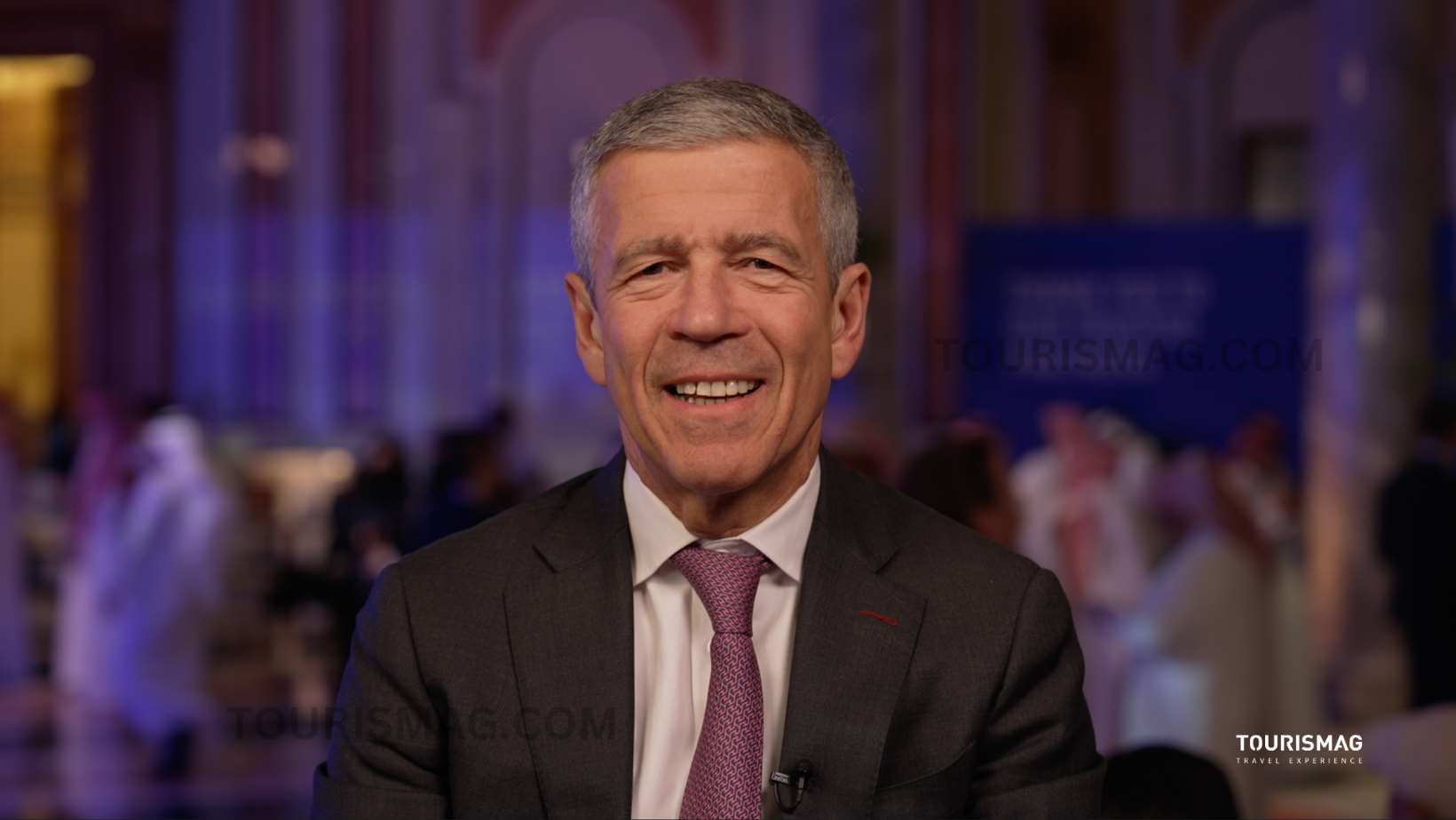
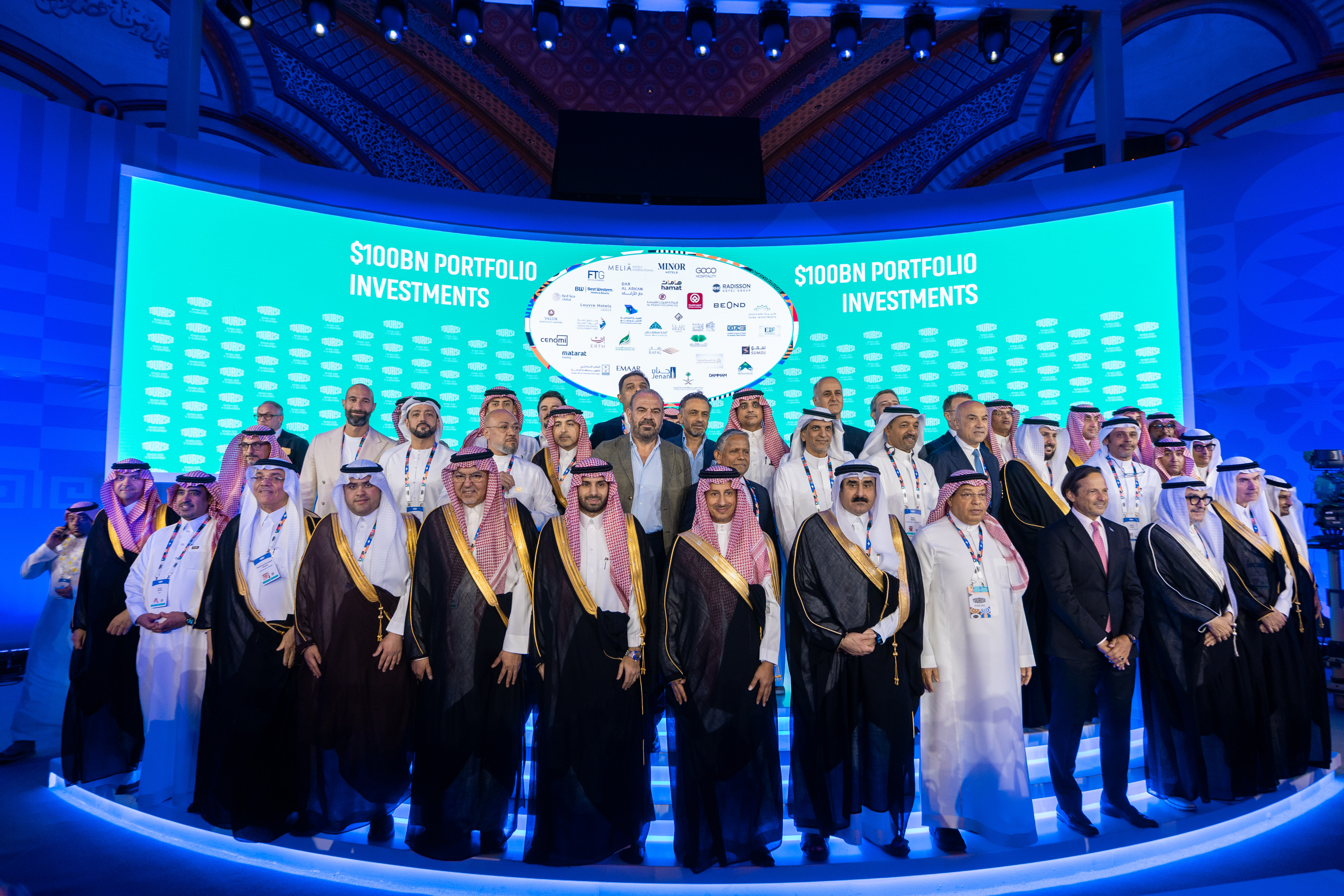
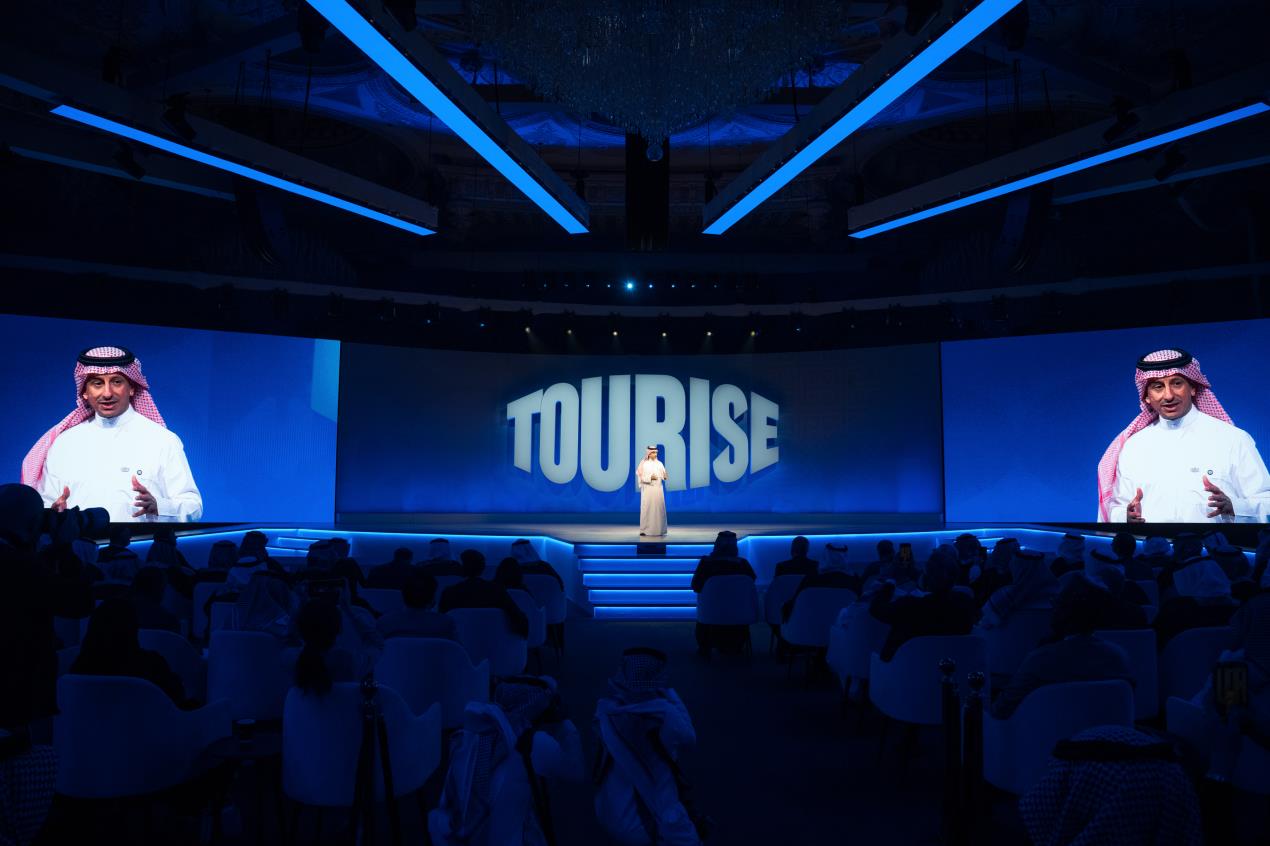
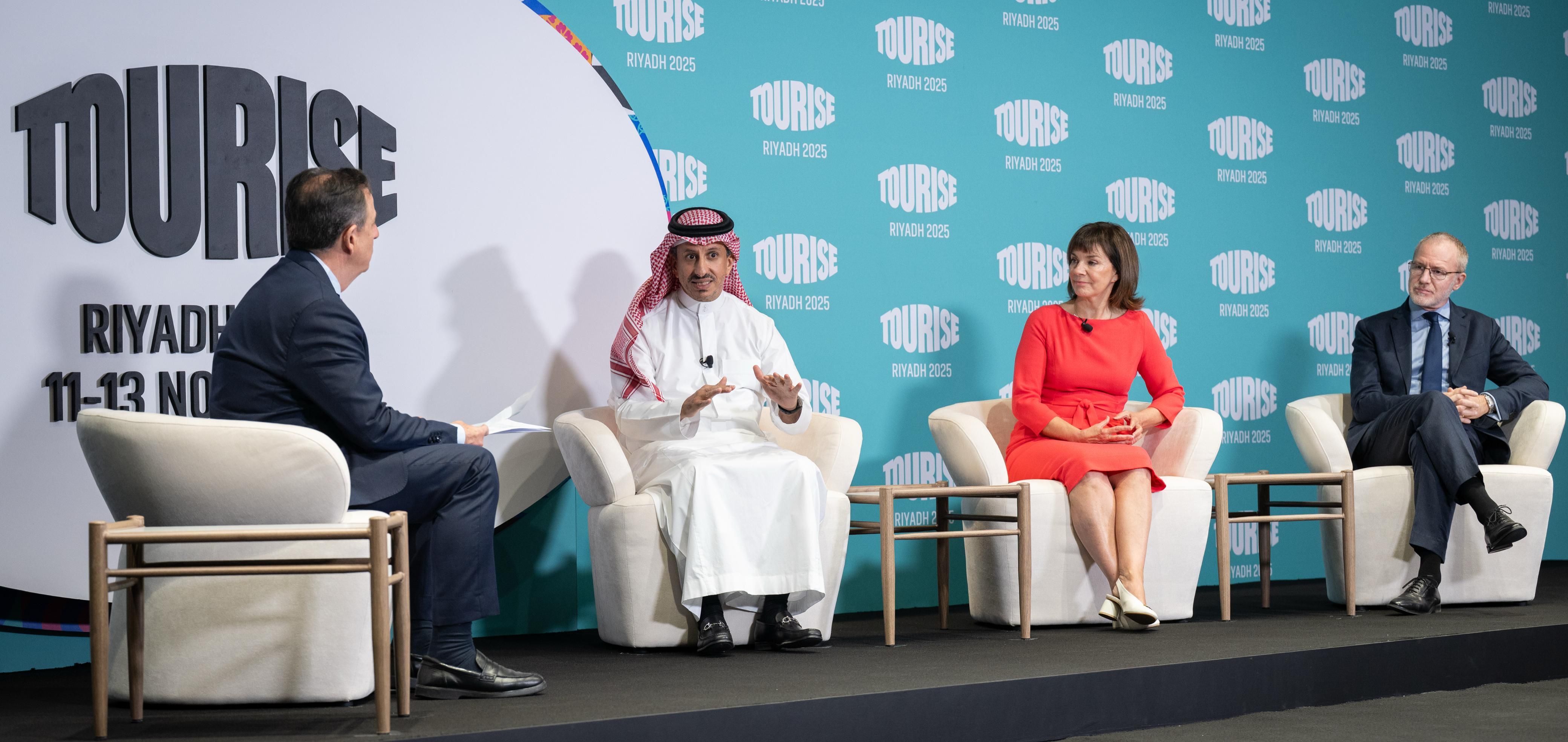
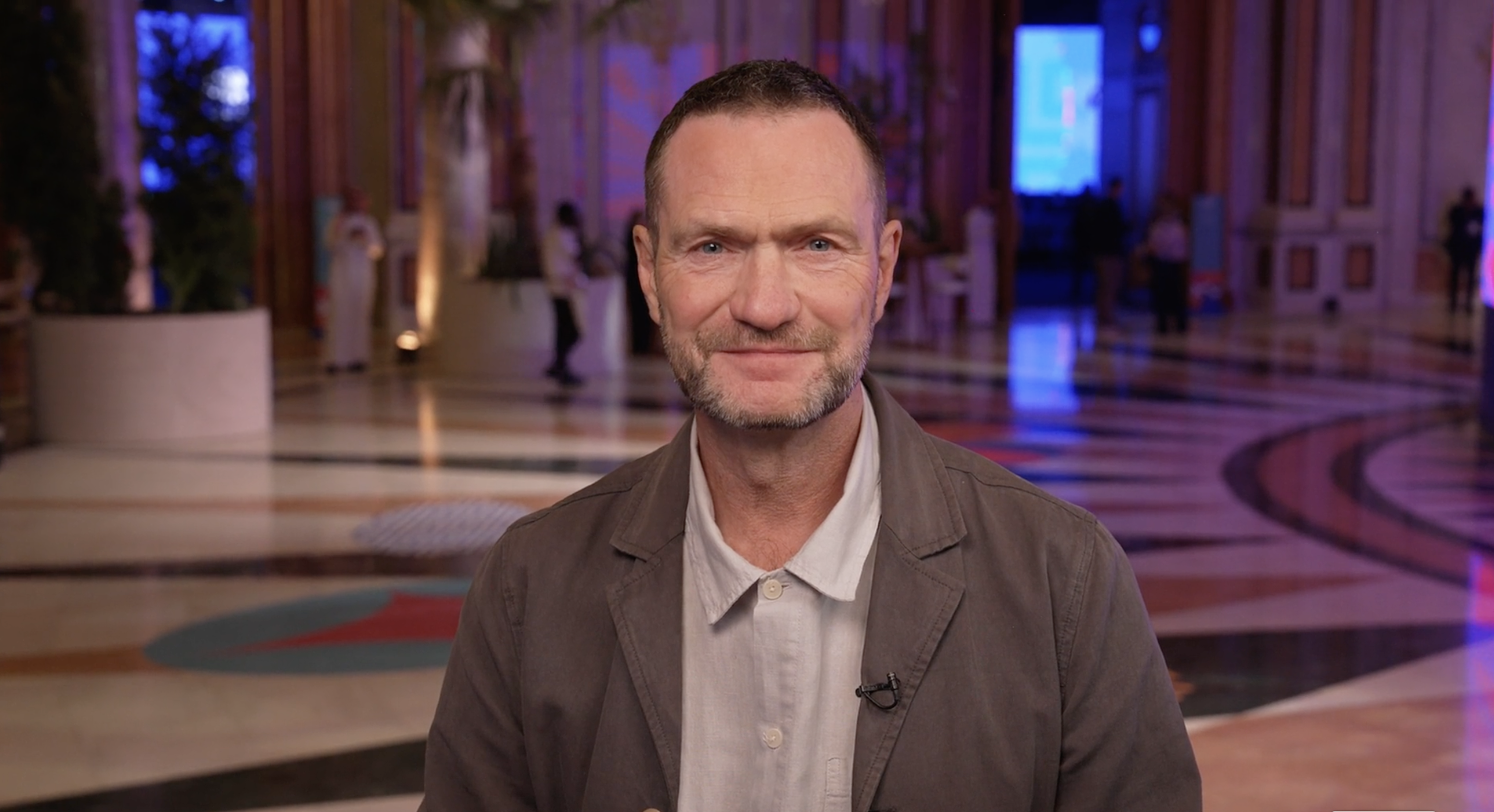
Met in Riyadh during TOURISE 2025, Gilda Pérez Alvarado, CEO of Orient Express, conveys this vision with quiet confidence : a form of luxury that is deeply human, culturally refined, rooted in history, yet firmly oriented towards the future.
From the very opening of the interview, one question naturally emerges: How can timeless elegance be combined with genuine authenticity, to create experiences that feel both unexpected and deeply human?
“Your question truly embodies everything Orient Express stands for,
she says from the outset, as if speaking about luxury, authenticity and emotion were, in fact, telling a single story.
(Watch the full interview on YouTube here)

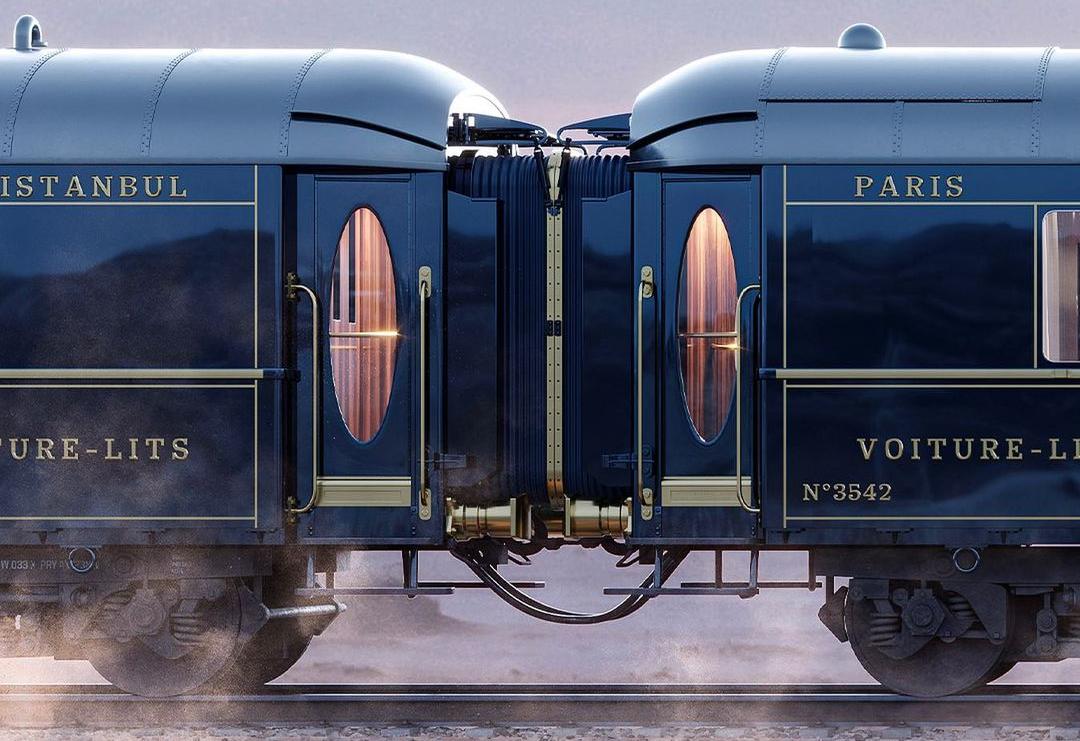
Founded in 1883 by Belgian entrepreneur Georges Nagelmackers, Orient Express was born from a revolutionary intuition: to combine the most advanced railway technology of its time with a vision of travel defined by elegance, human encounters and cultural discovery.The legendary Paris–Constantinople route did not merely connect cities — it connected worlds, bringing together intellectual, artistic and political elites¹.
Orient Express has always been a brand that connects people — to places, to a time, to an emotion, and ultimately to themselves,
recalls Gilda Pérez Alvarado.
On board, dining was already a benchmark of refinement, each destination revealed its unique identity, and travel itself became an experience long before the term was fashionable.
One brand, many chapters
142 years later, Orient Express is writing a new chapter of its story, remaining faithful to its DNA. Each asset — train, hotel or yacht — is conceived as a page in the same book.
What we are building today is what will allow the brand to live for another hundred years,
says the CEO
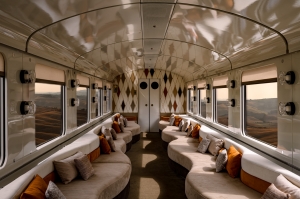
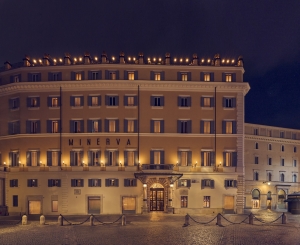
In Rome, the opening of Orient Express La Minerva celebrates 19th-century Italy in one of the country’s oldest continuously operating hotels. In parallel, La Dolce Vita Orient Express pays tribute to the exuberant Italy of the 1950s and 1960s — an era of hedonism, creativity and freedom.Venice is preparing to welcome Palazzo Donà Giovannelli, a 15th-century jewel restored over nearly eight years in partnership with Italian authorities.This is not merely real estate renovation. It is a cultural act.
Restoring heritage means preserving a collective memory,
she insists.
 Orient Express Corinthian
Sustainability as legacy
At Orient Express, sustainability goes far beyond environmental indicators. It is first and foremost heritage-led, human and artisanal. Former trains from the 1960s and 1970s, long abandoned, are being brought back to life. Other historic carriages from 1929, discovered between Belarus and Poland, are set to return to service by 2027–2028.
True sustainability is ensuring that what we create today still has meaning tomorrow,
emphasises Gilda Pérez Alvarado.
Traditional craftsmanship is revived through collaboration with historic maisons, while meeting today’s Fire & Life Safety Standards²
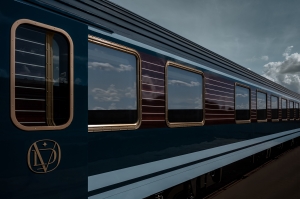
 The legendary Orient Express revival - Accor | LVMH
Innovation in motionPerhaps the most emblematic expression of this dialogue between heritage and innovation is the future Orient Express Corinthian, currently under construction at the Chantiers de l’Atlantique in France.At 220 metres long, it will be the world’s largest sailing yacht, featuring tilting masts and rigid sails³, LNG propulsion⁴, marine mammal detection systems⁵ and state-of-the-art navigation technologies.Inside, the contrast is deliberate: interiors inspired by the Art Deco aesthetic of the 1920s, creating a constant conversation between past and future.
This oscillation between reality and fiction is part of the magic of Orient Express,
says the CEO, referencing the brand’s literary legacy, notably through Agatha Christie.
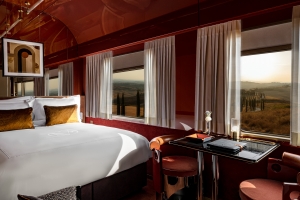
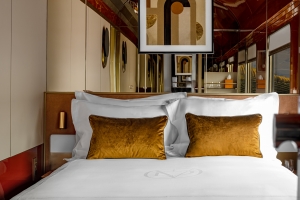
 Dolce Vita Orient Express Deluxe Cabin © mrtripper
Beyond the stay: the Orient Express journey
The future of travel envisioned by Orient Express is neither fragmented nor transactional. It is omnichannel³, seamless and immersive.
Our guests are not booking a product. They are booking an Orient Express journey,”
explains Gilda Pérez Alvarado.
A stay in Rome may extend onto a train, then onto a yacht, before reaching Paris or even crossing the Atlantic. In a world where time has become the most precious resource, experience now outweighs possession.
Luxury today is about memories, human connections and the feeling of belonging to a community of curious, like-minded travellers,
she concludes.
Ultimately, Orient Express does not merely take people on a journey. It invites them to become the central characters in a grand, ever-evolving narrative.

About Orient Express
An absolute icon of luxury travel, Orient Express is today experiencing an ambitious renaissance driven by the partnership between Accor and LVMH. The two groups are redefining the brand’s heritage through a contemporary vision of luxury, where heritage, creativity, craftsmanship and innovation exist in constant dialogue.
This new chapter goes far beyond the return of the legendary train. It unfolds through a complete ecosystem encompassing ultra-luxury hospitality, exceptional trains and avant-garde yachts, all conceived as immersive cultural experiences. True to its DNA, Orient Express does not simply sell stays, but a way of travelling — defined by slow travel, emotion and storytelling.
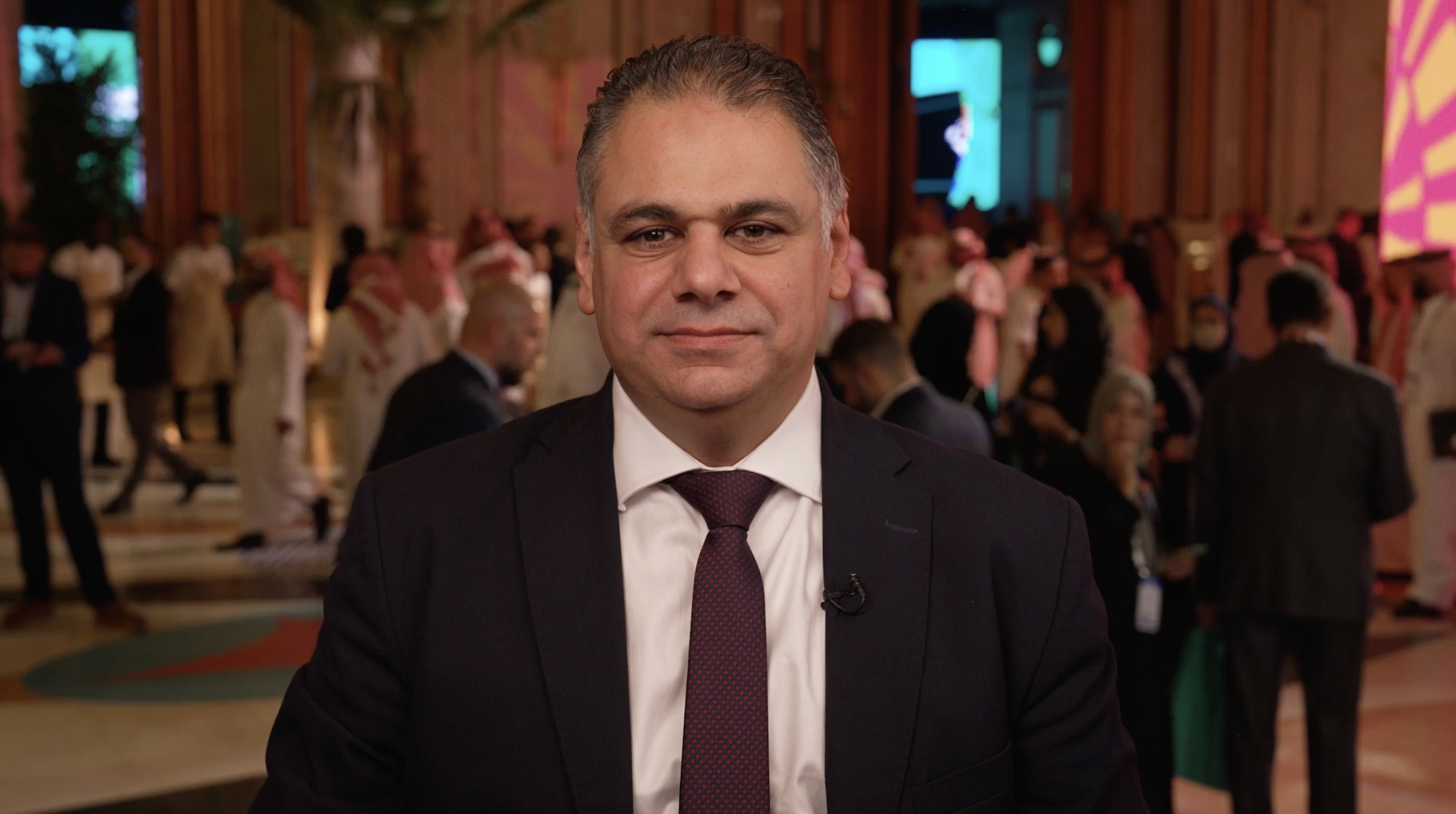
Interview conducted by Donia Hamouda
¹ Historical source: Orient Express – Official Archives & Georges Nagelmackers Foundation
² Fire & Life Safety Standards: international regulations ensuring passenger safety.
³ Omnichannel travel: an integrated travel approach combining multiple modes — here, train, hotel and yacht.
⁴ LNG: Liquefied Natural Gas, a lower-emission marine fuel.
⁵ Mammal detection system: acoustic technology designed to prevent collisions with marine wildlife.