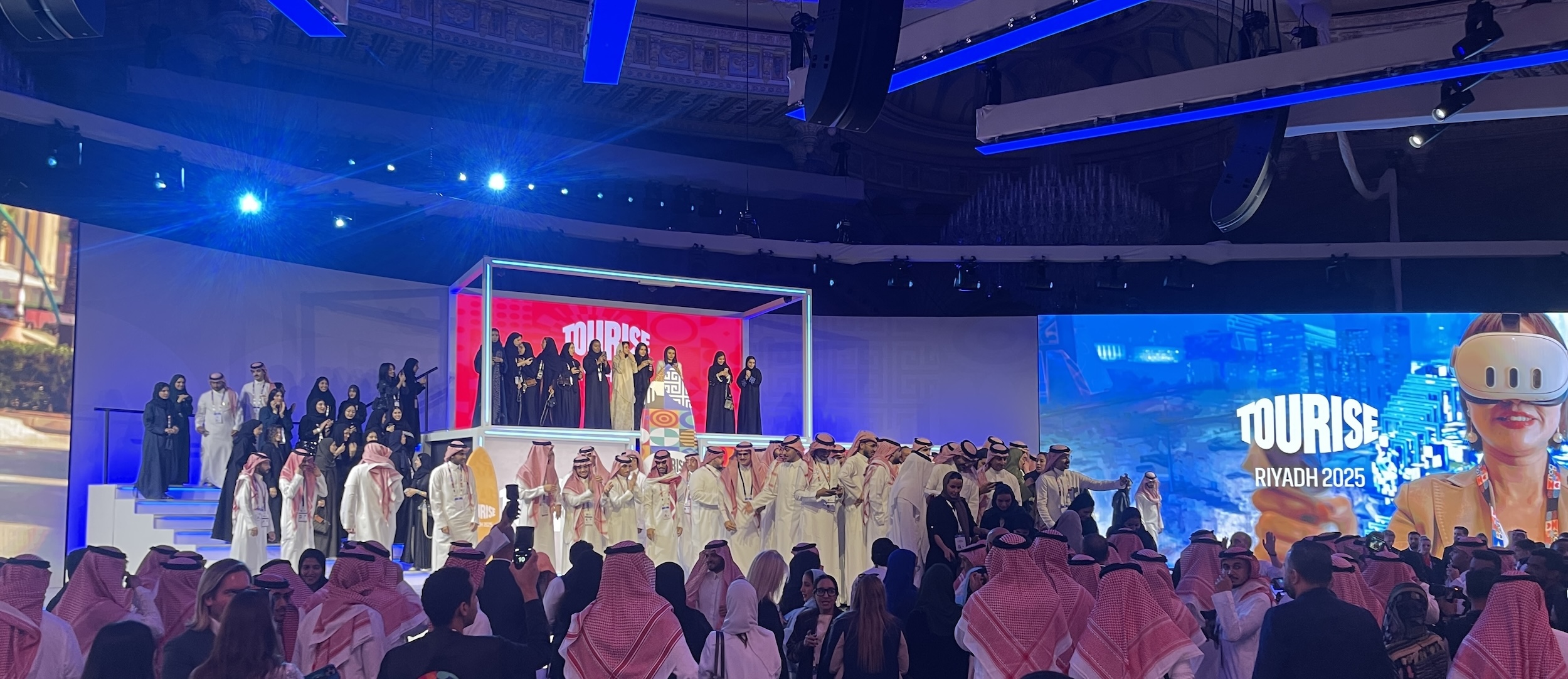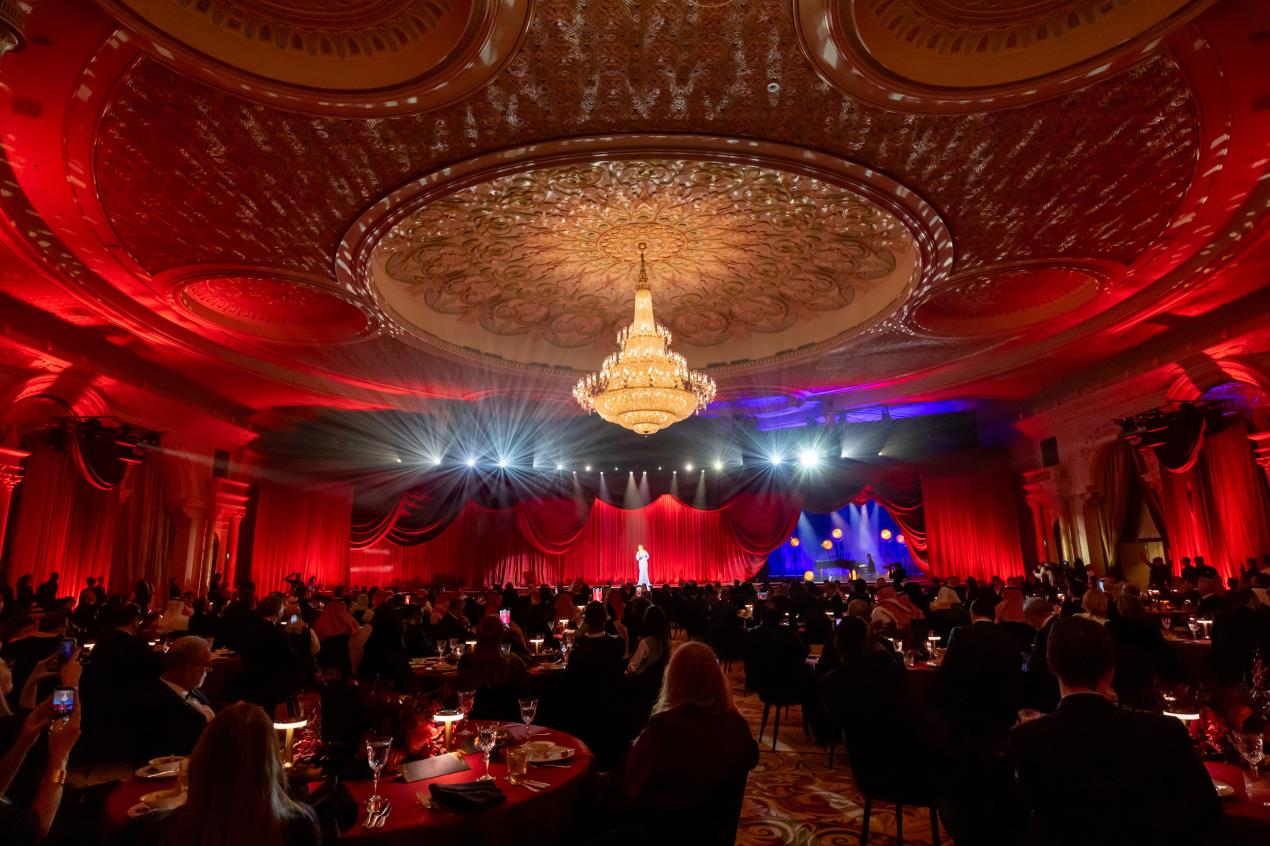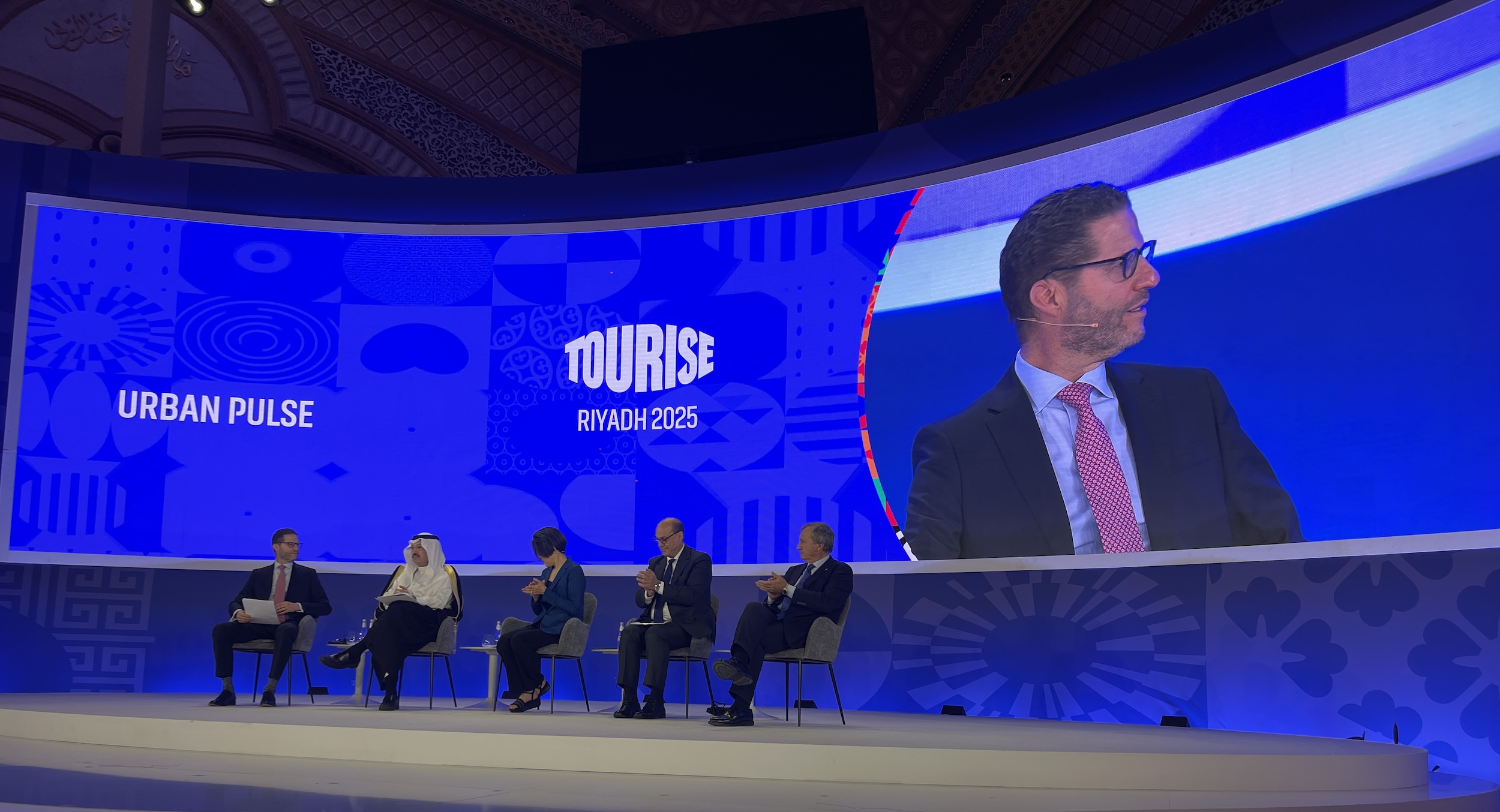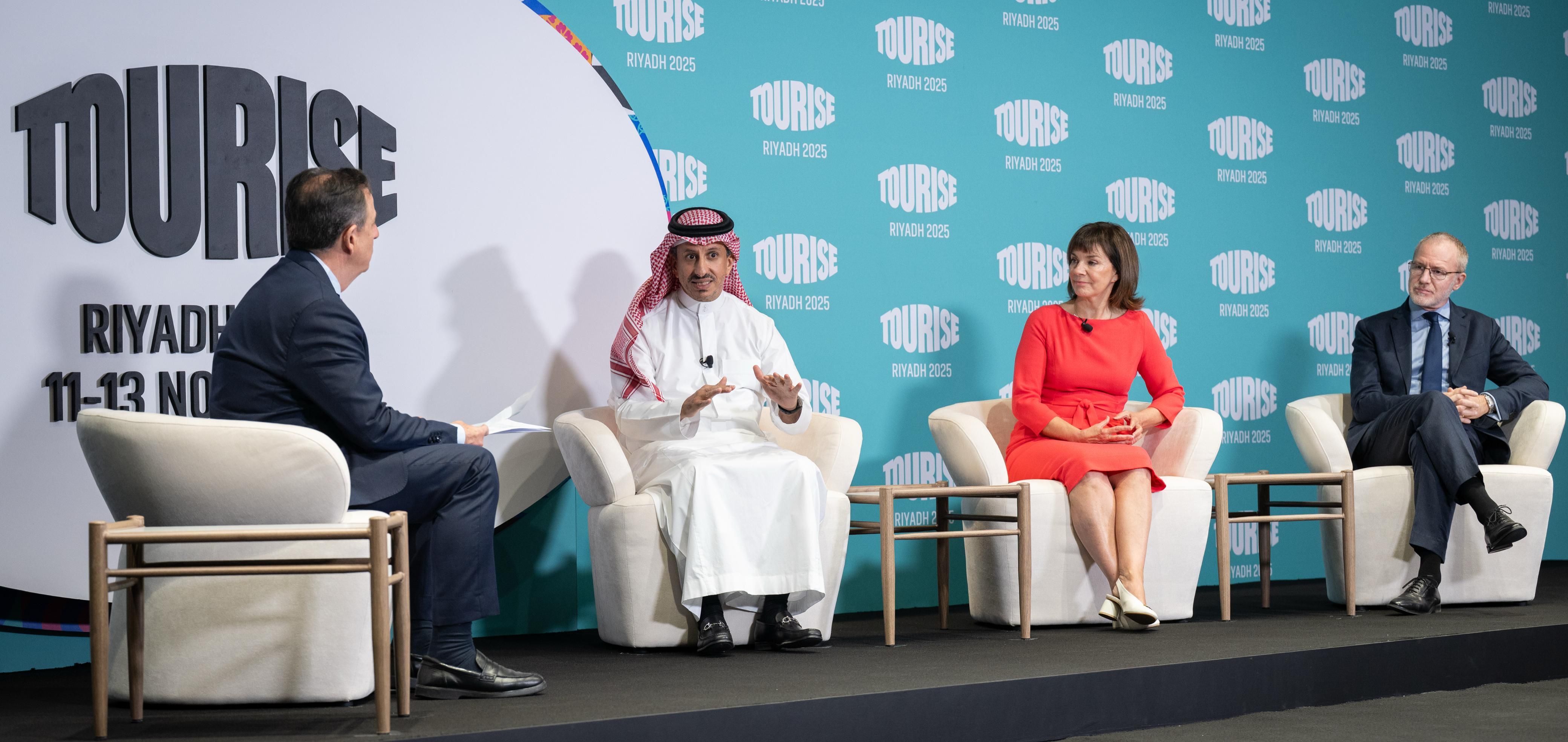


Some events define a season. Others signal a shift.In 2025, TOURISE clearly belongs to the latter. Alongside global industry fixtures such as ATM, WTM and ITB Berlin, TOURISE has distinguished itself through a deliberate editorial choice: less spectacle, more substance; fewer promises, greater strategic alignment and, above all, concrete action.
Designed as a high-level platform for dialogue, TOURISE brings together institutions, destinations, investors and global tourism leaders in a setting that encourages reflection, debate and long-term thinking. Here, ideas are not merely exchanged they are tested, challenged and translated into the foundations of future-oriented public–private partnerships.
This is a vision Tourismag has long advocated: a tourism industry that is more mature, more responsible, and deeply connected to territories and the communities that shape them.
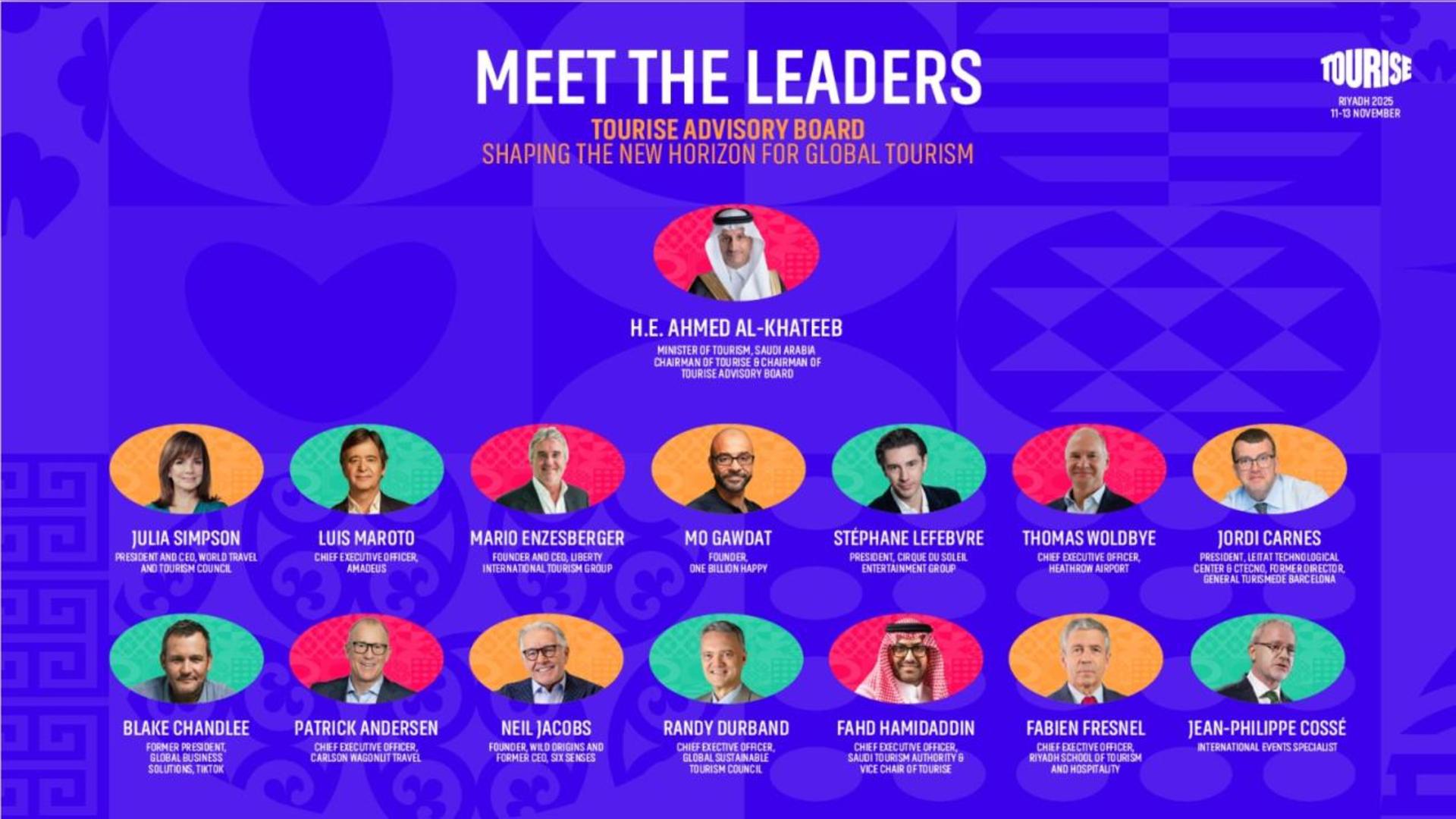
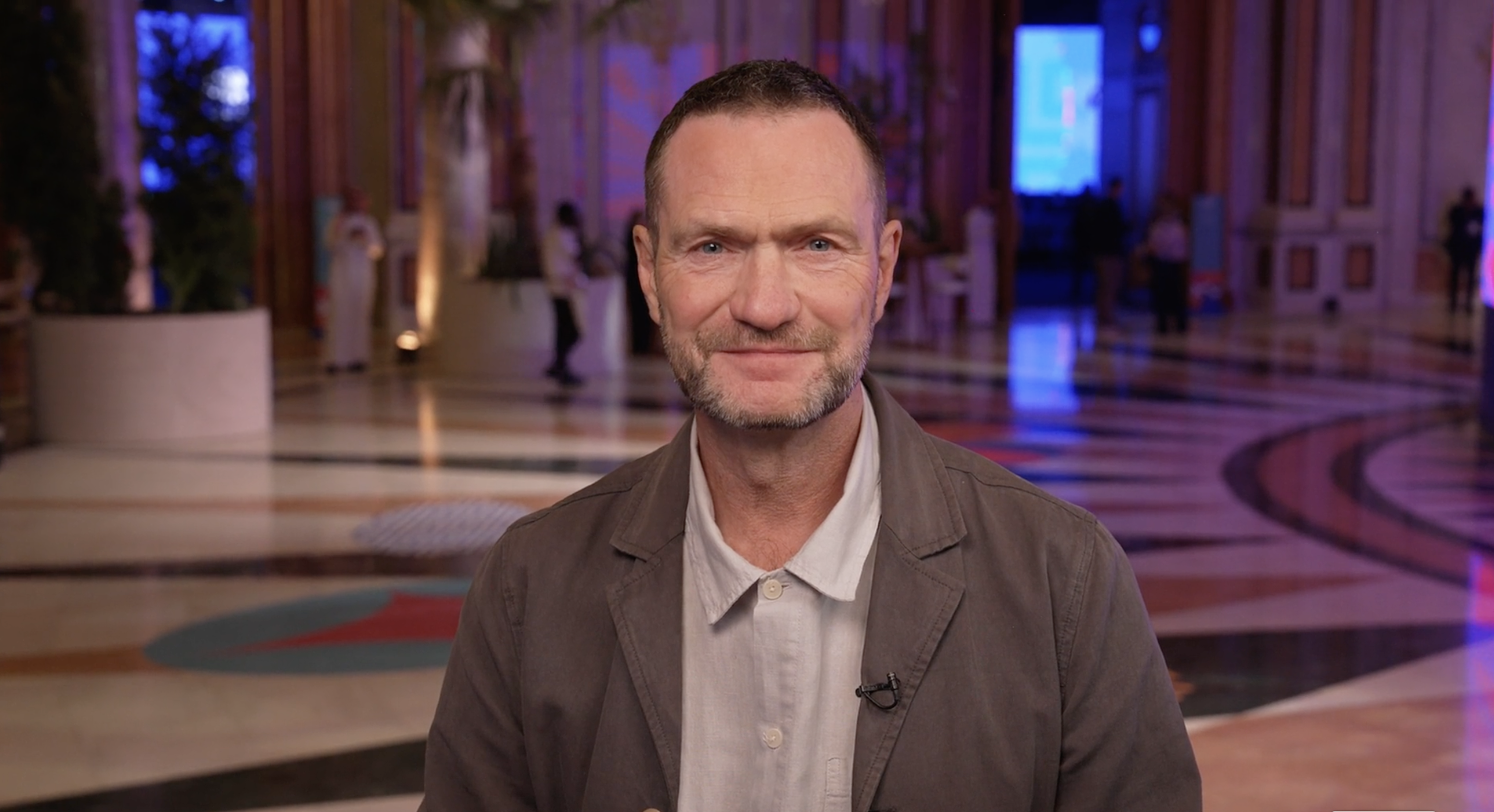
It is within this demanding context that Randy Durband, CEO of the Global Sustainable Tourism Council (GSTC) and a Board Member of TOURISE, shared a voice that stood out for its clarity and restraint. Free from rhetoric and grandstanding, his words reflect nearly two decades spent structuring global sustainability standards and, increasingly, turning principles into practice. (Watch on Youtube)
Sustainability needs to turn more from words to action
Giving Sustainability a Common Language
When Randy Durband speaks about the GSTC, he is not referring to another label or certification. He speaks of a foundation.
Established in 2007 by United Nations agencies — UN Tourism and the United Nations Environment Programme — the GSTC emerged from a simple realisation: without a shared framework, sustainability remains abstract.
We were created to give the industry a common language for the green transition.
Since then, the Council has developed globally recognised standards across the tourism value chain, from hotels and tour operators to MICE, attractions and destination management, while actively supporting their implementation.
Because, as Durband repeatedly underlines, standards only matter when they are understood, adopted and applied on the ground.
Standards alone are not enough. We also provide guidance on how to apply them.
TOURISE: A Vision Coming of Age
As a member of the TOURISE Board, Randy Durband observes the event with a sense of measured pride. What impressed him most was not ambition alone, but coherence between vision, discourse and intent.
I’m absolutely impressed by the commitment of the Saudi Ministry of Tourism to grow tourism in sustainable and effective ways.
For Durband, TOURISE extends far beyond a regional initiative. It positions itself squarely within a global sustainability conversation.
This is not just about what’s happening in KSA, but about making it relevant on the global stage.
In practice, TOURISE operates on two levels: as a rare convening space where public leaders, private-sector actors and international institutions connect meaningfully; and as a concrete testing ground, notably through collaborations with the Ministry of Tourism and the Saudi Tourism Authority to deploy national programmes aligned with GSTC standards.
The scope, the quality of speakers, the quality of participants, and the space to interact are really exceptional.
For the GSTC CEO, the true value of such a platform lies in its ability to create lasting relationships not only among long-standing partners, but also through the emergence of entirely new connections.
From Sustainability as Intention to Sustainability as Method
One message runs consistently through Randy Durban’s reflections: sustainability can no longer remain performative.
It’s really encouraging to see that many businesses and destinations are now doing this in tangible ways.
Across destinations and companies alike, the shift is underway. Impact is no longer simply discussed; it is increasingly measured, structured and embedded into operational models.This same pragmatism shapes Durban’s view of business travel and MICE. The pandemic sparked debates about the end of face-to-face meetings. Reality, he argues, has since provided a clear answer.
Human connection, trust and long-term collaboration still depend on physical encounters. TOURISE, by its very nature, offers a compelling demonstration.
Nothing is ever going to kill face-to-face meetings. MICE travel is here to stay.
Artificial Intelligence: A Catalyst, Not a Threat
On artificial intelligence, Randy Durband’s position is notably balanced. He resists simplistic narratives that frame technology and sustainability as opposing forces, reminding us that every major technological shift has initially provoked both fear and over-optimism. The rise of the internet followed a similar trajectory.
AI is just another advanced level of computing. We had the same discussion with the growth of the internet.
In his view, tourism rests on two complementary pillars: the transactional and the experiential.Transactions, bookings, payments, processes, naturally call for efficiency.
AI has a legitimate and welcome role to play here, streamlining systems that no stakeholder wishes to see slowed down.Experience, by contrast, remains deeply human. This is where emotion, encounter and unpredictability reside. And this is precisely where AI, Durban argues, should not replace people, but support them by helping travellers discover experiences that are more relevant, more personal and more aligned with their aspirations.
AI can help humanize the experience of travel, not replace it.
In this perspective, artificial intelligence is neither a threat nor an end in itself, but a tool serving a tourism industry that is smarter, more fluid, and, paradoxically, more human.
Rethinking Quality: When Time Becomes the New Luxury
Perhaps the most structurally significant insight of the interview lies in how Randy Durband reframes the concept of tourism quality.
Too often equated with luxury or spending power, quality, in his view, is measured elsewhere in time.
Quality tourism is not luxury tourism. Quality is length of stay.
Staying longer enables deeper immersion. It allows travellers to understand places, engage with communities and move beyond iconic highlights. More importantly, it fosters a fairer distribution of economic benefits, extending tourism’s value across a wider network of local actors.Within this logic, visitor dispersion and the time spent within a destination becomes a central lever of social and economic sustainability. It balances relationships between visitors and residents, while enhancing the richness of the experience itself.
When people stay longer, more members of the community benefit. That’s sustainability.
It is a vision that calls for a fundamental rethink of tourism strategies: fewer fleeting visits, more rooted stays; less volume, more meaning.

Skills, Talent and Entrepreneurship: The Human Core of Sustainability
Sustainability, Durban reminds us, ultimately depends on people. He points to a growing talent gap and the urgent need to invest in skills development across the sector.
We lost a lot of experienced staff during COVID, and now demand is booming again.
Training, knowledge transfer and the recognition of tourism professions are becoming strategic imperatives.
At the same time, Durband sees local entrepreneurship, particularly youth-led initiatives and micro-enterprises, as a powerful engine of innovation.
Beyond global brands, it is often small operators who create the most memorable experiences. Enabled by digital tools and AI, these local initiatives now have access to global markets.
Small entrepreneurs and the informal economy will drive many of the future travel experiences.
DMOs: Managing Before Promoting
Finally, the GSTC CEO highlights a transition that remains unfinished, yet unavoidable: the shift from destination marketing to destination management.
For decades, he notes, public authorities largely defined their role as attracting visitors often without sufficient attention to how destinations were managed, protected or sustained.
Historically, the public sector thought its job was only to promote tourism.
Today, that approach has reached its limits. The growing role of Destination Management Organizations (DMOs) reflects a deeper awareness: promotion without management is no longer credible.
The logic, Durband argues, is straightforward.
Better destination management leads to better marketing and better experiences.
In the digital age particularly in an era shaped by social media, quality becomes a strategic necessity. Every experience is instantly shared, amplified and scrutinised. Even minor shortcomings can damage a destination’s reputation for years.
If people don’t like something, they will talk about it for years.
Managing before promoting is therefore no longer optional; it is a prerequisite for credibility. A well-managed destination, attentive to its capacity, its communities and the quality of its offer, becomes naturally more attractive, and more sustainable.
One Word for the Future
At the close of the conversation, the question is simple. The answer, equally so.
In one word, how would Randy Durband describe TOURISE and the future of tourism?
Promising.
A restrained word, yet one that carries weight provided, as he consistently reminds us, that intentions continue to be transformed into action.
Interview conducted by Donia Hamouda