


At a glance
Two places, one sea-to-mountains idea of travel. On the island of Djerba, fishermen, weavers and farmers open their daily lives to visitors. In the Dahar, a UNESCO Global Geopark since 2026, ancient seas have left fossils, dinosaur tracks and a 194-kilometre walking route. Together, they offer southern Tunisia's more human way to travel slowly and sustainably.
From Cultural Landscape to Geological Memory: Southern Tunisia Charts a Different Way to Travel
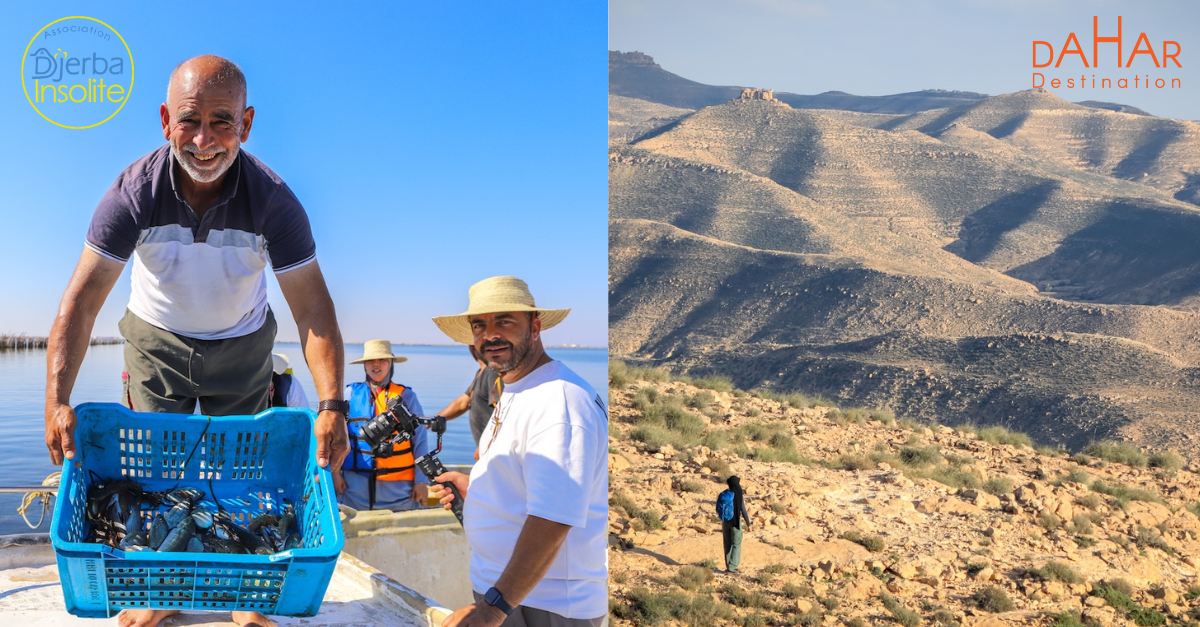
From an ancestral fishing experience with the Zrayeb group (Djerba) to the discovery of dinosaur tracks (Dahar Geopark). Photos: Wael Mejbri
Between the island of Djerba and the uplands of the Dahar, southern Tunisia offers two complementary heritages. The first is found in its people, its trades and its island traditions; the second tells of hundreds of millions of years of geological history. Brought together, they sketch out a more human, immersive and sustainable kind of travel, one that links sea to mountains and cultural heritage to the memory of the Earth.
Djerba
An island that lives to the rhythm of its community

At a time when travellers are looking for meaning, authenticity and human connection, Djerba is showing a different side of its tourism. Through Djerba Terre d'Immersion, craftspeople, fishermen, farmers, guides and entrepreneurs welcome visitors into their everyday lives.
An island you don't simply visit, but live.
Driven by the association Djerba Insolite and its partners, the initiative brings together small, human-scale projects around a shared conviction: that the value of a journey lies in the quality of the encounters, the discovery of a place and the positive impact it can have.
Here, visitors become participants in their own stay. They walk, cycle, cook, talk, learn a traditional craft, meet a producer or discover the work of the fishermen. The experiences may be cultural, culinary, playful or sporting, but they share one aim: to make human connection the starting point of the journey.
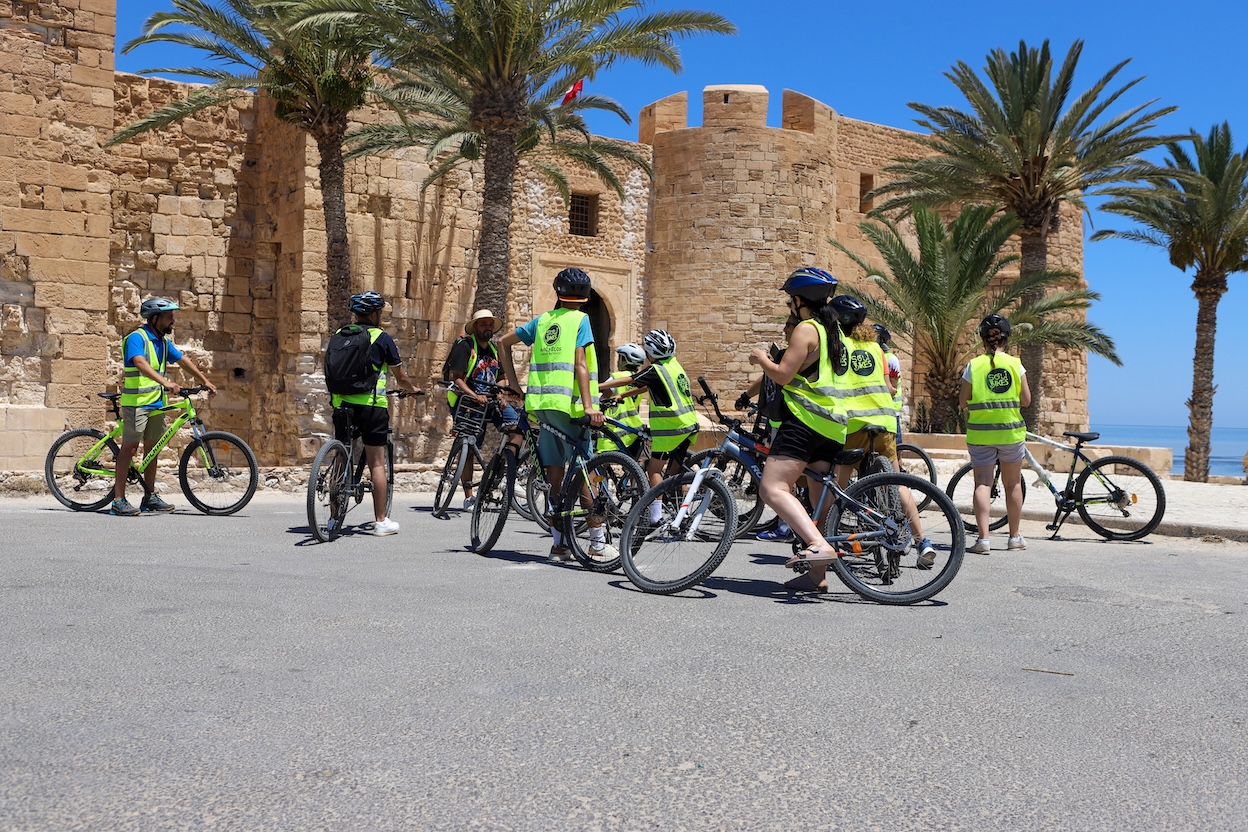
Djerba Insolite's own offering includes Solibikes, which provides bike rental, guided visits and discovery circuits. By bike or on foot, visitors explore the island's villages, farmland and heritage sites. The Doulicha experience takes them through Houmt Souk, with its historic lanes, squares, waterfront and multicultural heritage, at the unhurried pace of gentle mobility.
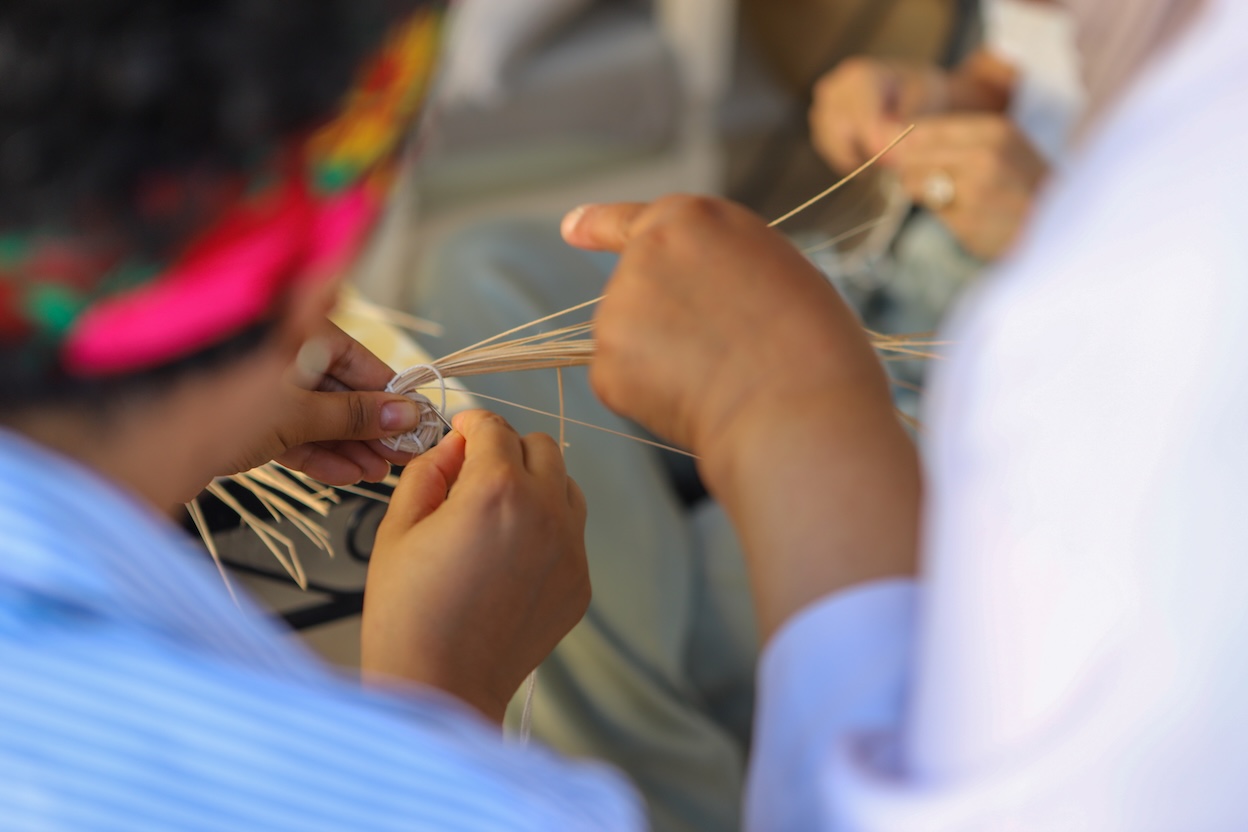
The immersion continues in the workshops of Djerbian artisans, where visitors can try their hand at traditional embroidery, plant-fibre weaving and other crafts. They learn the techniques, talk with the maker and are introduced to skills passed down through generations. Food and local produce are part of the experience too, from preparing traditional dishes to sharing meals in family kitchens.
In Mellita, the Zrayeb fishing group introduces visitors to traditional fixed fisheries and to the deep bond between local communities and their marine environment. On land, Valera Farm opens the doors to its agricultural world: livestock farming, farm-made products, short supply chains and tastings at its table d'hôte.
.jpg)
Through its ecotourism brand L'Aventurier, Djerba International Travel offers Bin Jwaad Discovery, a roughly ten-kilometre hike through Djerba's UNESCO World Heritage cultural landscape. Finally, the slow-tourism platform TenasBook puts digital innovation in the service of more accessible travel, particularly for seniors, people with reduced mobility and people with disabilities.
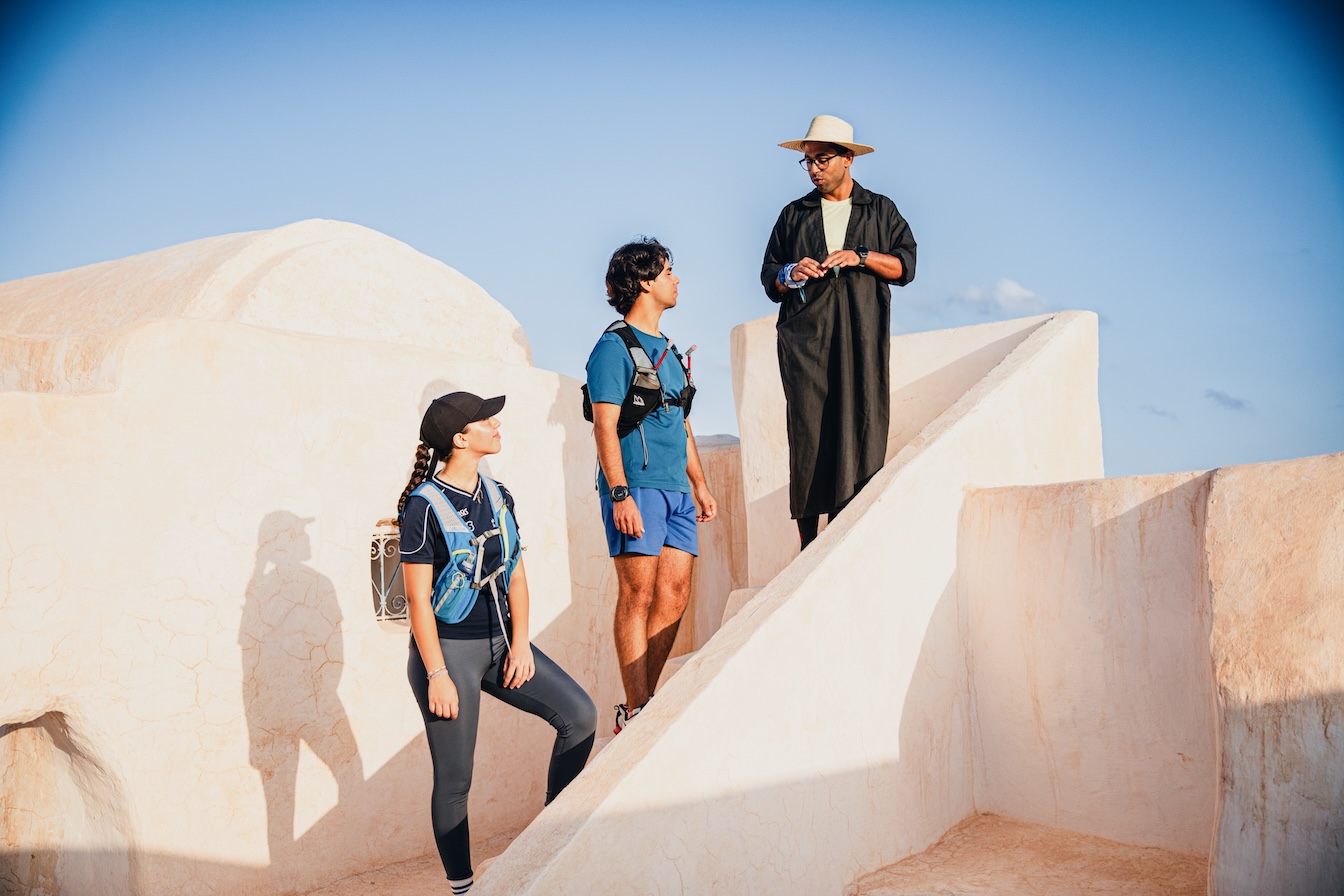
Djerba Terre d'Immersion is a concrete example of sustainability in practice: it preserves know-how, supports the local economy and puts the community back at the heart of the tourist experience.
The Dahar
Where the Earth's memory becomes an experience
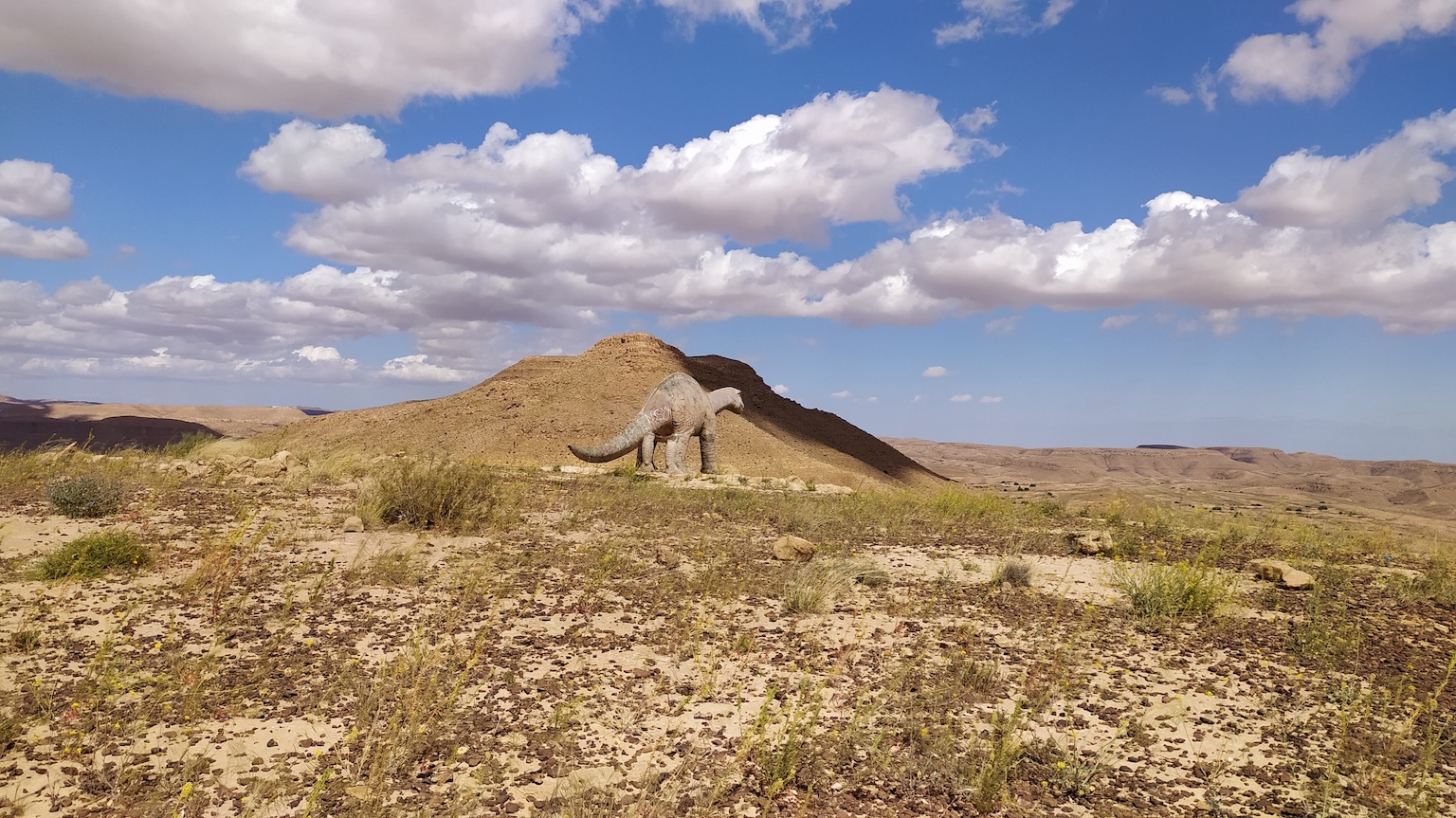 Djebel Miteur, Dahar, Tunisia. Photo: Amor Ghrab
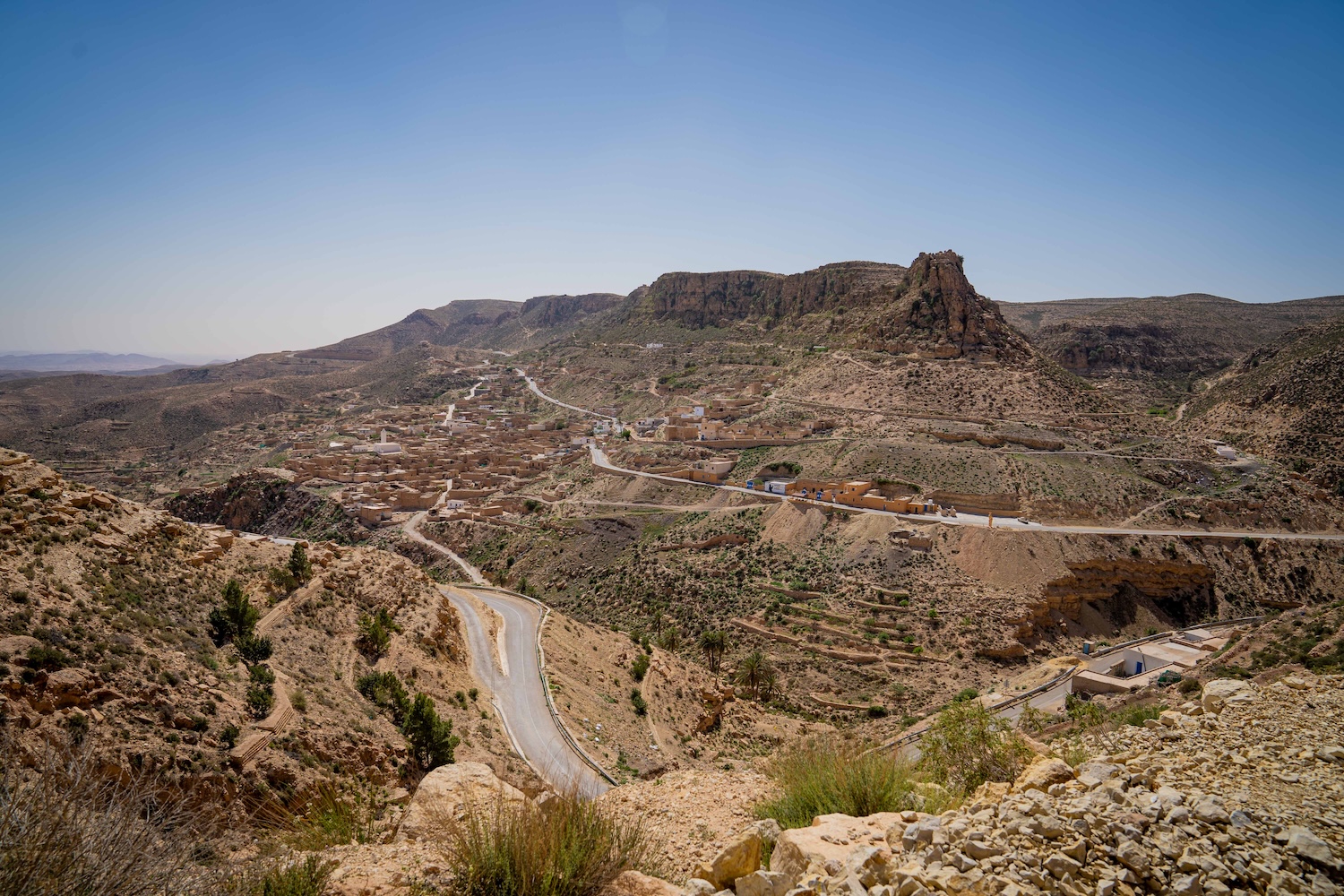
In south-eastern Tunisia, the Dahar reveals a landscape shaped by hundreds of millions of years of history. Its plateaux, valleys, rock formations, ksour and troglodyte villages make up a spectacular terrain, marked by traces of ancient seas linked to the Tethys Ocean.
Named a UNESCO Global Geopark in 2026, the Dahar is the third African territory to receive the designation. It has also recently earned the international Green Destinations label, a twofold recognition that strengthens its standing in sustainable geotourism.
The honours reward years of work by scientific, institutional and tourism stakeholders in the region. The Federation of Authentic Tourism Destination Dahar (FTADD) has steadily built an offer grounded in authenticity, a rich and varied heritage and the involvement of local communities.
.png)
To make this scientific heritage accessible to everyone, the FTADD has developed a tailored approach to interpretation. Trained science mediators turn geology into living stories: a cliff becomes the trace of an ancient marine environment, a rock stratum an archive written by nature, a landform a record of the Earth's upheavals.
This geological reading is woven into a broader experience that combines hiking, architectural heritage, culture, food, alternative accommodation and encounters with local people. The 194-kilometre Great Dahar Traverse embodies the approach, linking landscapes, villages and local players at walking pace.
The GeoDAHAR project, developed under the Destination Durable Tunisie programme, marks a new stage. Led by the FTADD with its partners AGEOS and ASPG, it aims to design themed geotourism circuits for travellers, schoolchildren, students and science enthusiasts.

Digital tools enrich this interpretation without replacing the human guide. A dedicated website showcases the geosites, while augmented reality could one day let visitors see the ancient marine environments and better grasp how the region has evolved.
At the heart of the model are local communities. Farming, gastronomy, crafts, architecture and tradition extend the geological discovery and feed an inclusive value chain, with a significant role for rural women.
The Dahar no longer simply displays its heritage: it turns it into a story to walk through, understand and share.
From Djerba to the Dahar: a journey through time
Bringing Djerba and the Dahar together opens the way to new tourist circuits, conceived as a genuine journey through time.
The route could begin in the Dahar, with the prehistoric marine ecosystem whose memory is preserved in the rocks, fossils and remains displayed in the Dahar museum. Scientific interpretation and future digital experiences would help bring these vanished landscapes back to life and explain the profound changes that shaped southern Tunisia.
The journey would then continue to Djerba and its crystal-clear sea, still closely tied to island life. Through artisanal fishing, fixed fisheries, food, traditions and encounters with local communities, visitors would move from the memory of a vanished sea to the living one that still nourishes Djerbian identity today.
From the prehistoric ocean to Djerba's present-day shores, these circuits would tell a single story across two timescales: that of the Earth and that of human beings.
It is an invitation to travel across millions of years, from the buried memory of the Dahar to the clear, living waters of Djerba.
Useful links:
destinationdahar.com
djerba-insolite.com
What does sustainable travel look like in Djerba?
It looks like time spent with the fishermen of Zrayeb in Mellita, a workshop in embroidery or basketry with a local artisan, and a meal shared in a family kitchen. Djerba Terre d'Immersion, led by the association Djerba Insolite, builds each experience around the people who live here, preserving traditional skills and supporting the local economy.
Can you explore Djerba at a slower pace?
Yes. Solibikes offers bike rental, guided visits and discovery circuits through villages and farmland, and the Doulicha experience explores Houmt Souk by gentle mobility. For a longer walk, the Bin Jwaad Discovery hike covers about ten kilometres of Djerba's UNESCO World Heritage cultural landscape.
What makes the Dahar special?
Its rocks tell the story of ancient seas linked to the Tethys Ocean. Cliffs, rock strata and fossils, including dinosaur tracks and ammonites, are explained by trained science mediators who turn geology into stories. The Dahar became a UNESCO Global Geopark in 2026, the third in Africa.
How long is the Great Dahar Traverse?
194 kilometres, on foot, linking landscapes, villages and local hosts at walking pace.
Is it accessible for older travellers or people with reduced mobility?
TenasBook, a slow-tourism platform, uses digital tools to make experiences more accessible to seniors, people with reduced mobility and people with disabilities.
Can I combine Djerba and the Dahar in one trip?
Not yet as an established offer. Circuits joining the two places are being imagined: begin in the Dahar among the fossils and the Dahar museum, then continue to Djerba and its living sea.