
From global standards to local impact, Tunisia takes a meaningful step towards a more sustainable, inclusive and internationally visible tourism future.
Tunis, 2 June 2026 — There are moments when a destination does not simply launch a project, but reveals a deeper ambition. With Sustainable Tunisia | Human First, Tunisia is opening a new conversation about the future of its tourism: one that places people, territories, quality, authenticity and measurable sustainability at the heart of its development model.
This initiative, proudly initiated and carried forward by Tourismag, was born from a strong conviction: Tunisia does not start from zero. Across the country, many inspiring efforts have already been led by institutions, international cooperation programmes, professionals, local communities, women entrepreneurs, young people, guesthouse owners, hoteliers, guides, artisans and regional actors. What is needed today is not to replace these initiatives, but to connect them, structure them, measure them and give them stronger international visibility.
Sustainable Tunisia | Human First is precisely about that: building bridges between what already exists and what Tunisia can become.
It is a first strategic milestone towards a more credible and structured sustainable tourism transition, aligned with internationally recognised standards and rooted in the Tunisian reality. The approach is not limited to environmental performance. It embraces the full meaning of sustainability: governance, socio-economic impact, cultural preservation, environmental responsibility and the ability of tourism to create value for local communities.
Tunisia has always been a land of hospitality. From the Mediterranean coastline to the oases, from the medinas to the mountains, from Djerba to the Dahar, from Tunis to Tozeur and Jendouba, the country offers far more than a destination. It offers a soul. Its strength lies in its diversity, its heritage, its human warmth, its cuisine, its crafts, its landscapes, and its capacity to reinvent itself without losing its identity.
For decades, seaside tourism has been one of Tunisia’s most important assets. It has built international recognition, jobs and infrastructure. But today, the challenge is to go further: to make this strong pillar more sustainable, less seasonal, better connected to local value chains, and more complementary with inland regions, rural tourism, agritourism, cultural experiences and proximity hospitality.
 Carthage - Tunisia
This is why the “Human First” dimension is essential. Sustainable tourism is not only about labels or audits. It is about people. It is about young people who need real opportunities in their regions. It is about women who already carry authentic hospitality and local know-how, but who need stronger tools, visibility and structure. It is about small tourism businesses that deserve to be supported in their journey towards quality, self-assessment, improvement and, when ready, certification. It is about destinations that need governance, data, coordination and a clear roadmap.
The involvement of the Global Sustainable Tourism Council (GSTC) gives this Tunisian ambition an international framework. GSTC standards are widely recognised as a global reference for sustainable tourism, structured around four core pillars: sustainable management, socio-economic impacts, cultural impacts and environmental impacts. For Tunisia, this framework offers a common language and a credible pathway: from awareness to training, from diagnosis to gap analysis, from pilot destinations to measurable progress, and eventually from preparation to certification through accredited certification bodies.
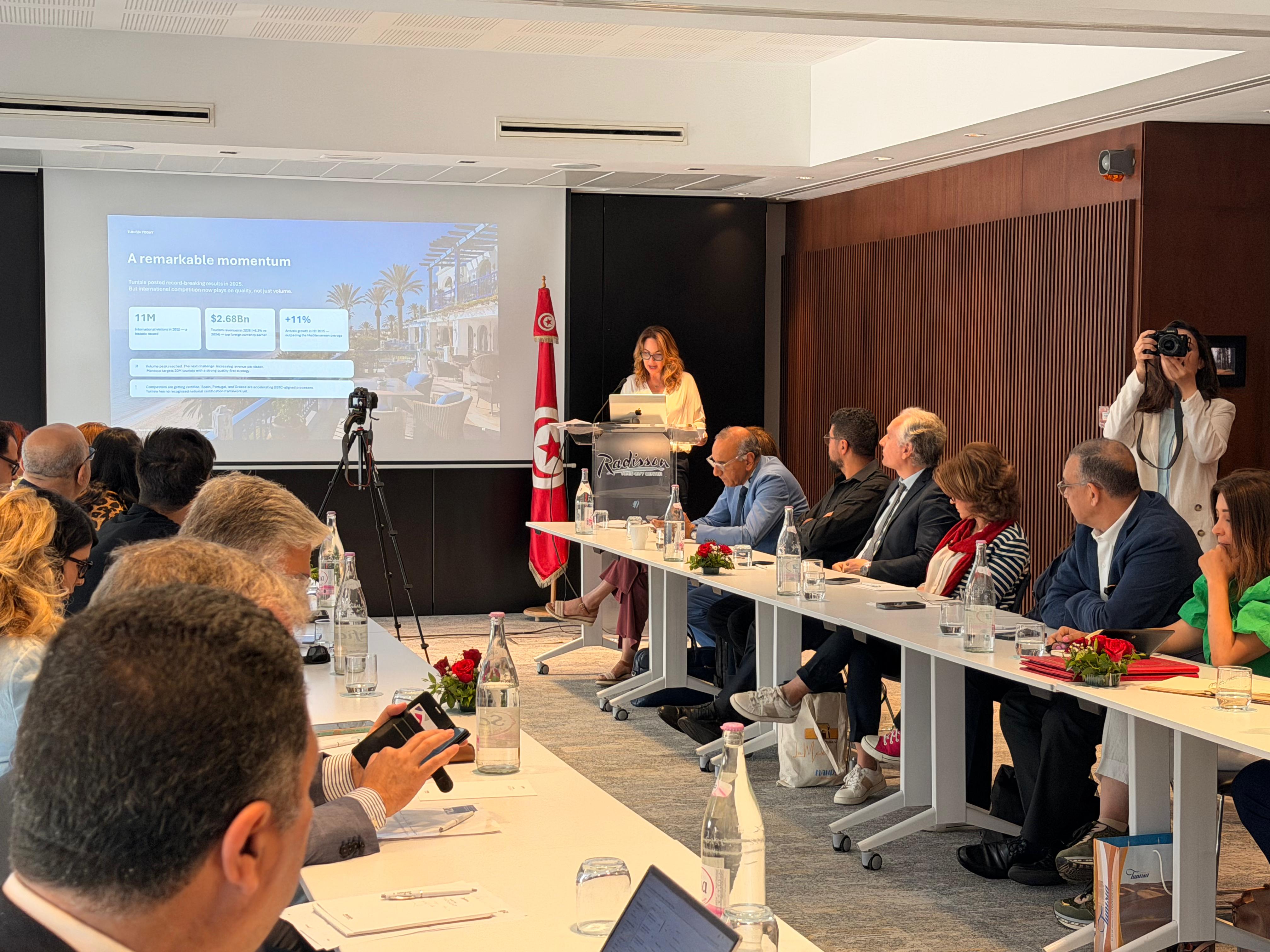
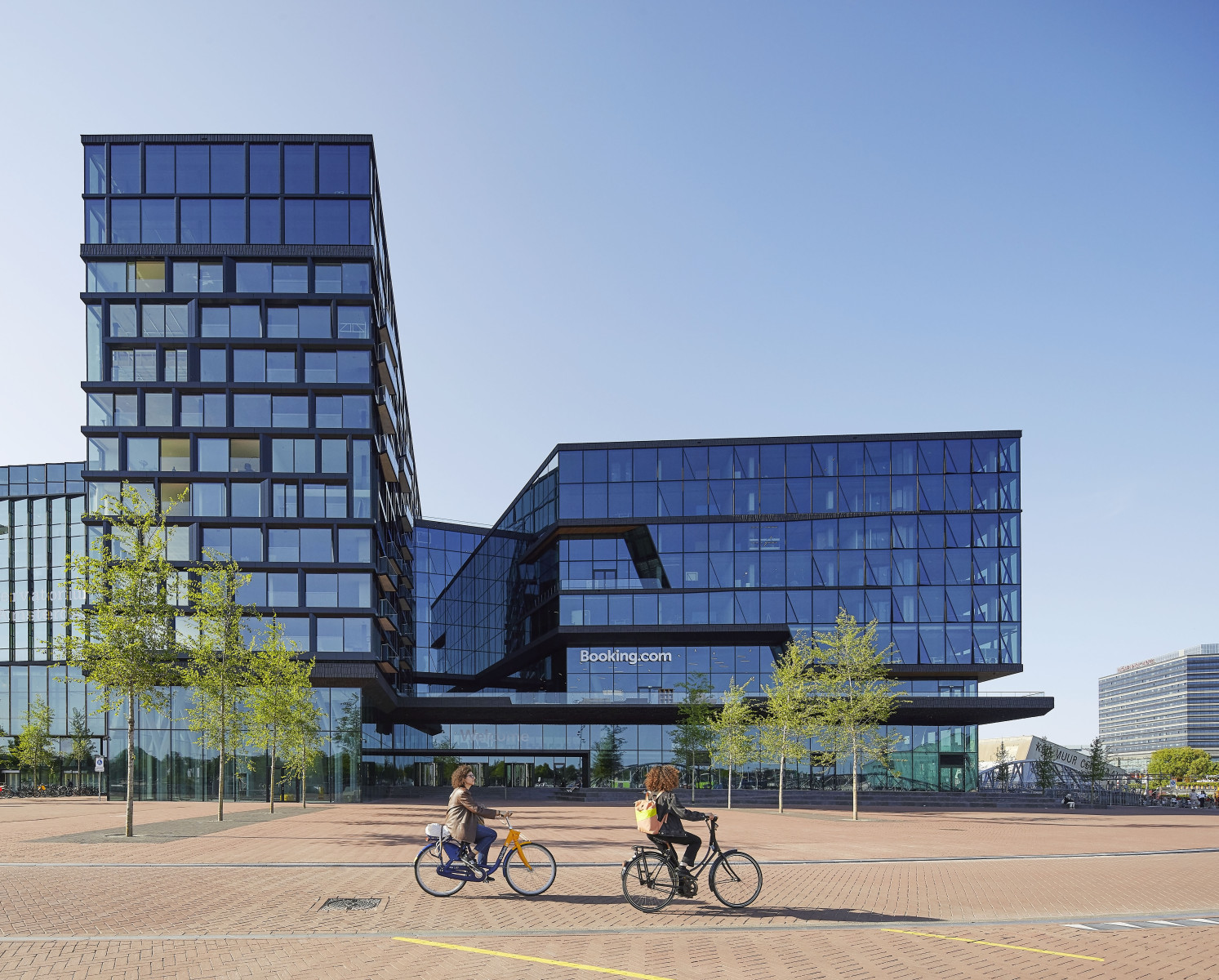
The national workshop held in Tunis marks an important starting point. Bringing together institutional actors, professional federations, tourism stakeholders, training bodies, cooperation projects and international voices, it aims to align visions and open a constructive debate around standards, quality and certification. The participation of Randy Durband, CEO of GSTC, reinforces the strategic dimension of this first step, while the conversation with Danielle D'Silva, head of Sustainability at Booking.com highlights another important reality: traveller expectations are changing quickly.
Today’s travellers are increasingly attentive to sustainability, transparency and credible information. They want to avoid overcrowding, reduce waste, support local communities, travel outside peak seasons and choose accommodation with recognised sustainability certification. Yet they also need clarity. They need trustworthy signals. They need destinations and businesses to communicate with evidence, not slogans.
This is where Tunisia has a real opportunity.
By structuring a national pathway around sustainability standards, Tunisia can strengthen its international competitiveness, improve the quality of its tourism offer, support regional development and speak to new generations of travellers with authenticity and credibility. The objective is not to create a beautiful discourse around sustainability, but to build a practical ecosystem where public institutions, private operators, regions, training bodies, local communities and international partners work together.
Sustainable Tunisia | Human First also comes at a meaningful time. As Tunis prepares to shine as Capital of Arab Tourism in 2027, the country has the opportunity to show that tourism quality and sustainability are not separate agendas. They are the same path. A destination that protects its heritage, supports its people, manages its resources and measures its progress is a destination that becomes stronger, more attractive and more resilient.
For Tourismag, being at the origin of this initiative is both a responsibility and a source of deep pride. Since its creation, Tourismag has believed in the power of tourism to tell stories, connect cultures, open markets and reveal territories. Today, we believe even more strongly that Tunisia’s next chapter must be written with purpose, courage and humanity.
Sustainable Tunisia | Human First is not a final destination. It is a beginning.
A beginning for more structured cooperation.
A beginning for pilot destinations that can become laboratories of change.
A beginning for professionals who want to move from intention to action.
A beginning for young people and women in the regions who deserve to be part of the value chain.
A beginning for a Tunisia that does not simply follow global trends, but contributes to shaping them with its own voice, its own beauty and its own human depth.
Tunisia is ready.
Ready to measure.
Ready to improve.
Ready to connect its coastline with its regions, its heritage with innovation, its hospitality with international standards.
And above all, ready to place the human being where he or she belongs: at the heart of tourism.
Sustainable Tunisia | Human First is more than an initiative. It is a message of confidence in Tunisia, in its people, in its territories and in the future of a tourism that can be more responsible, more competitive and profoundly more meaningful.