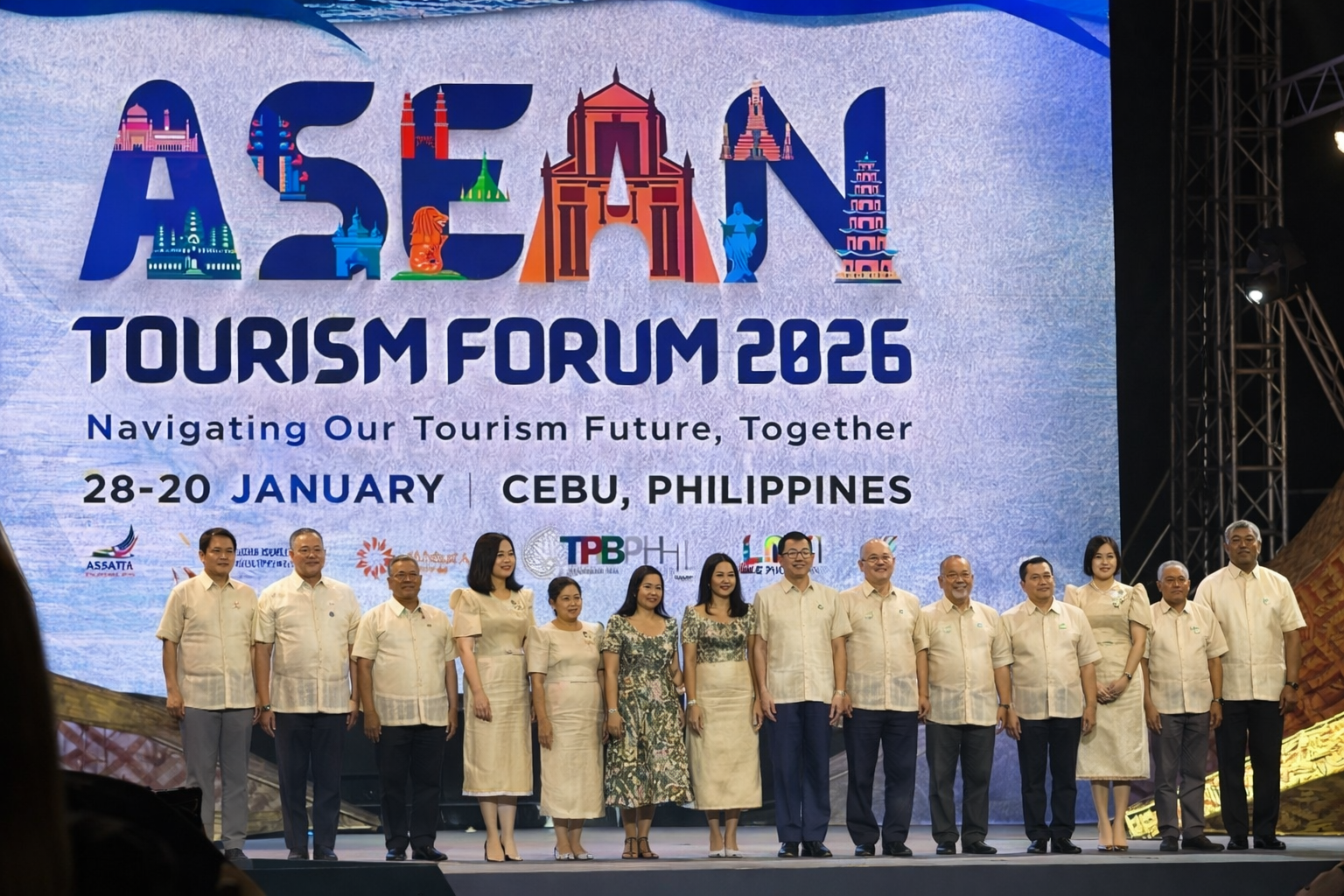

At ATF TRAVEX 2026, Indonesia did more than showcase its destinations. It delivered a strategic narrative about the future of Southeast Asian tourism, one rooted in quality, cultural depth and long-term value.
On stage, Ni Made Ayu Marthini set the tone with a simple but powerful question:
Is tourism only about numbers?”
Her answer was clear. Indonesia’s next chapter is not about chasing arrivals. It is about creating meaningful experiences that leave lasting impressions.
From Volume to Value: Indonesia’s Quality Tourism Strategy

Indonesia is repositioning itself through what it calls quality tourism. An approach that places visitor satisfaction, service excellence and sustainable growth at the center of policy.
If you have a good time in Indonesia, you will talk to your friends, at least your family,”
Ni Made told the audience.
You are all our ambassadors.
The strategy begins with improving fundamentals. Airports are being upgraded with biometric systems to reduce queues. A single integrated digital arrival platform now replaces multiple forms for customs, health and immigration. Visa-on-arrival payments can be completed online before departure. The goal is seamless travel from the first touchpoint.
At the same time, the Ministry is investing heavily in human capital. Upskilling and right-skilling hospitality professionals is considered as crucial as infrastructure.
In order to give good impressions, we must give good service,”
she emphasized.
The message at ATF 2026 was consistent: Indonesia wants visitors to stay longer, spend more, and understand its culture more deeply.
Culture as the Core of Indonesian Tourism

Indonesia’s tourism identity is unapologetically culture-based. With more than 700 ethnic groups and languages, the country sees its diversity as both opportunity and responsibility.
Our tourism is culture-based tourism. That’s what Indonesia is,”
Ni Made stated.Traditional fabrics, crafts and living heritage are no longer presented as static folklore, but as dynamic industries. Wearing a textile from Lombok during her presentation, she recalled previous collaborations with international fashion houses such as Dior, highlighting Indonesia’s ambition to position its heritage within global creative economies.
The vision is experiential rather than transactional. Visitors are encouraged to stay in the villages where fabrics are produced, meet artisans and participate in cultural processes.
Small in size, but focused on experience,”
she described the model.
This narrative aligns with Indonesia’s extensive tourism village program, which curates and trains thousands of local communities, reinforcing inclusivity and grassroots economic impact.
Marine Tourism: Indonesia’s Strategic Advantage

Geography has gifted Indonesia with one of the richest marine ecosystems in the world. Stretching between two continents and two oceans, the archipelago’s underwater biodiversity is a cornerstone of its tourism positioning.
Destinations such as Raja Ampat have earned global recognition, including being listed among the world’s best destinations by The New York Times.
The further east you go, the better it gets,”
Ni Made remarked, referencing Indonesia’s pristine eastern islands.
Liveaboard journeys aboard traditional phinisi vessels now connect Bali, Lombok, Maluku and Papua, offering immersive maritime exploration. Marine tourism, however, is being developed alongside environmental protection efforts. Indonesia has acknowledged the complexity of ocean waste management, particularly in Bali, and has launched pilot projects under presidential direction to address the issue.
Quality tourism, in this context, also means environmental accountability.
Wellness and Gastronomy: Building Experiential Depth

Indonesia’s wellness tourism strategy moves beyond spa branding. In Java, traditional dance itself becomes meditation, embodying slow, repetitive movement that induces mindfulness.
If you dance, it is meditation,
Ni Made explained, describing what she called moments of Eureka experienced by participants.
Bali remains a global wellness hub, yet emerging destinations such as Yogyakarta and Solo are gaining attention for cultural wellness integration. Indonesia is positioning itself as a leader in complementary and traditional medicine within Southeast Asia.
Gastronomy represents another pillar of the strategy. With more than 3,300 recipes nationwide, the challenge is not abundance but curation. Ubud was selected by UN Tourism as a prototype gastronomy destination alongside Tokyo, validating Indonesia’s culinary ambition.
Our strength is in the spices, in the layers of taste,”
Ni Made said, acknowledging that Indonesian cuisine is increasingly gaining international recognition. Through the “Spice Up the World” initiative and national gastronomy festivals, Indonesia is building a structured culinary identity that connects regional flavors to global markets.

ASEAN as a Strategic Ecosystem
Indonesia reaffirmed ASEAN as its primary source market at ATF TRAVEX 2026. Intra-regional travel remains strong, particularly from Malaysia and Singapore, supported by connectivity and repeat visitation patterns.
At the same time, European and American markets contribute longer average stays, reaching over ten days in 2025, a positive indicator for value-based tourism growth.
Ni Made expressed a broader regional aspiration:
I hope in the future we can see ASEAN as a single destination.
In this vision, Indonesia is not competing within Southeast Asia, but collaborating, strengthening connectivity, promoting authenticity and encouraging innovation among travel designers and destination management companies.
Digital Innovation: Meet MaiA

One of the most applauded moments during Indonesia’s presentation was the introduction of MaiA , an AI-powered digital travel assistant designed to personalize visitor journeys.
I am MaiA , your AI travel assistant,”
the on-screen avatar announced to the audience.
Launched in late 2025, the platform had already attracted hundreds of thousands of users.
Acting as a digital itinerary planner and real-time travel companion, MaiA reflects Indonesia’s determination to integrate artificial intelligence into destination management. This digital transformation aligns with the broader campaign unveiled at ATF:
Go Beyond Ordinary. Indonesia is an extraordinary country,”
Ni Made concluded.
When you come, you will discover things you never thought before.”
At ATF TRAVEX 2026, Indonesia did not simply promote beaches or temples. It articulated a comprehensive tourism ecosystem built on culture, marine excellence, gastronomy, wellness, digital innovation and sustainability. If execution matches ambition, Indonesia’s next phase may well redefine what quality tourism in ASEAN truly means.