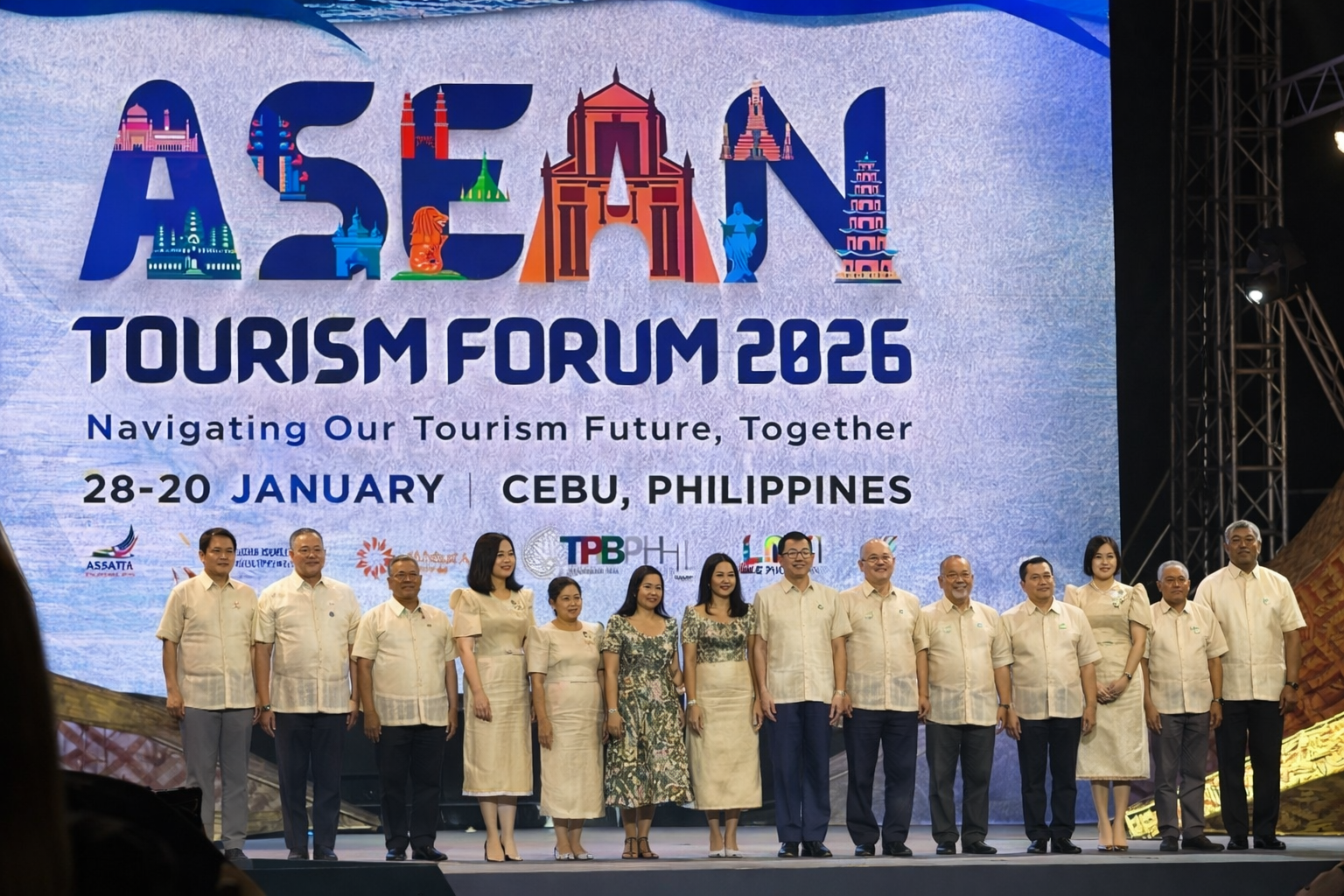
For decades, Southeast Asia was perceived as a cluster of powerful yet competing destinations. What emerged from the ASEAN Tourism Forum (ATF) and TRAVEX 2026 in Cebu, Philippines, signals a profound shift: ASEAN is no longer positioning itself as a sum of countries, but as a coherent regional tourism ecosystem driven by a shared vision.
In 2025, the region welcomed over 140 million international visitors, reaffirming its central role in global tourism recovery. Yet the challenge ahead is no longer volume-driven. The focus has clearly shifted toward value, sustainability, resilience and long-term impact.
A Vision Aligned with Global Markets
The adoption of the ASEAN Tourism Sectoral Plan 2026–2030 marks a decisive turning point. Tourism is now framed as a strategic tool for responsible growth, social inclusion and regional cohesion. For professional markets, particularly Europe and the GCC, where ESG standards, long-haul value and sustainable investment increasingly guide decisions, this repositioning is critical.
For the GCC in particular, ASEAN responds to a growing appetite for multi-country, long-haul journeys combining cultural depth, nature, wellness and meaningful experiences, supported by expanding air connectivity.
Diversity at Scale: ASEAN’s Unique Strength
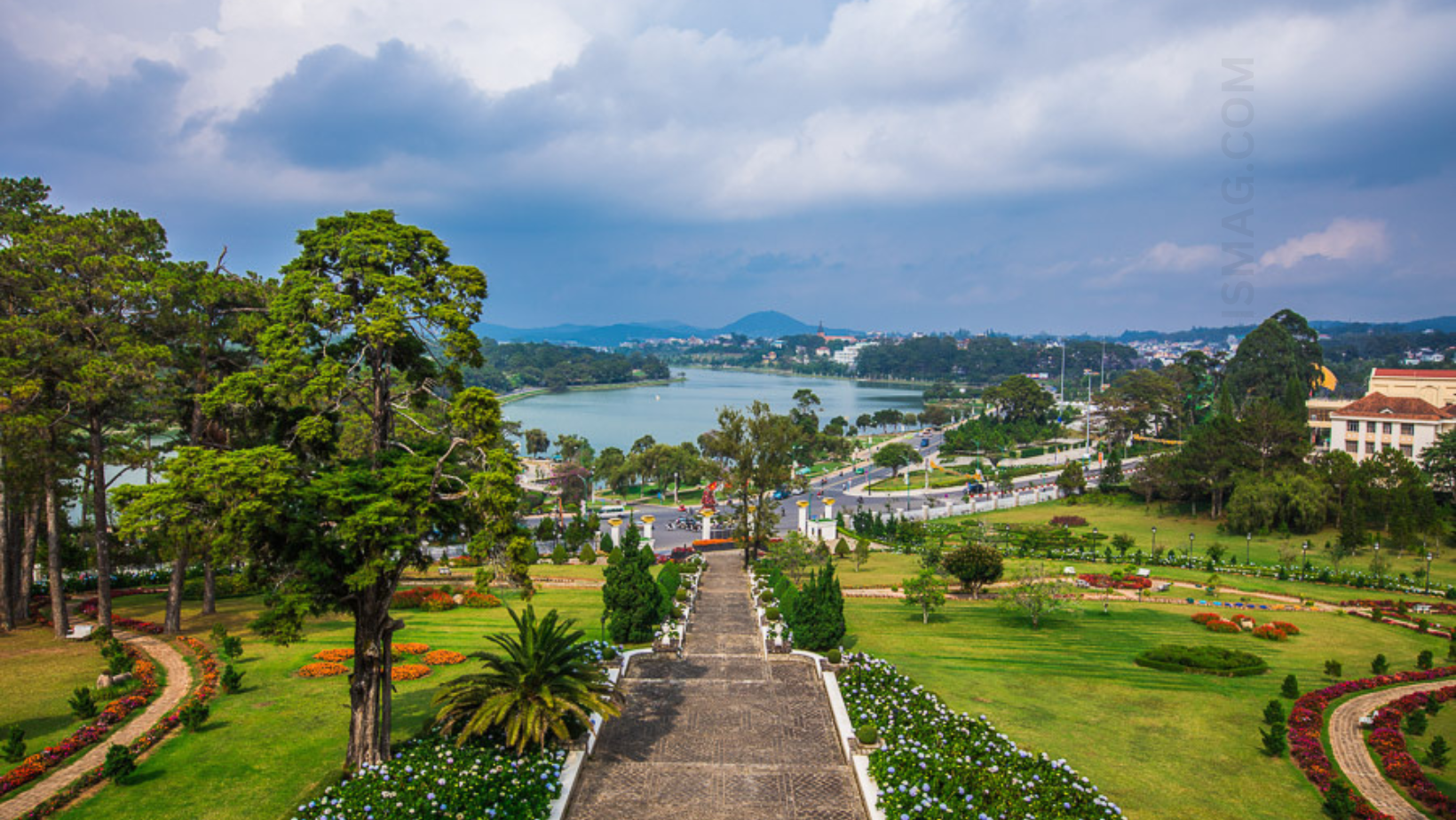
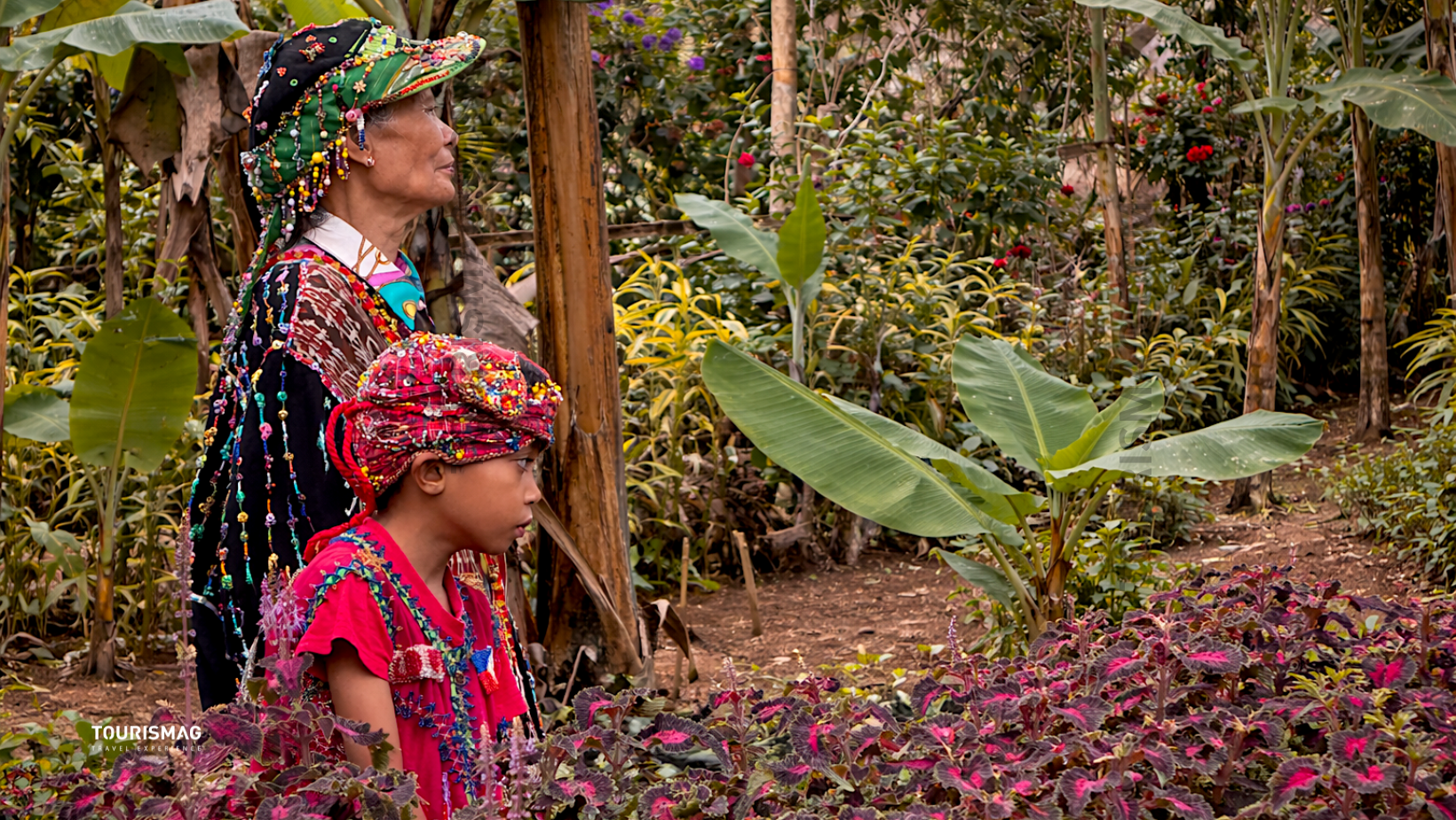
Few regions offer such diversity within a single travel perimeter. ASEAN brings together global hubs, emerging destinations, rich cultural heritage, preserved nature and community-based tourism.
The 11 member states each contribute to this collective strength:
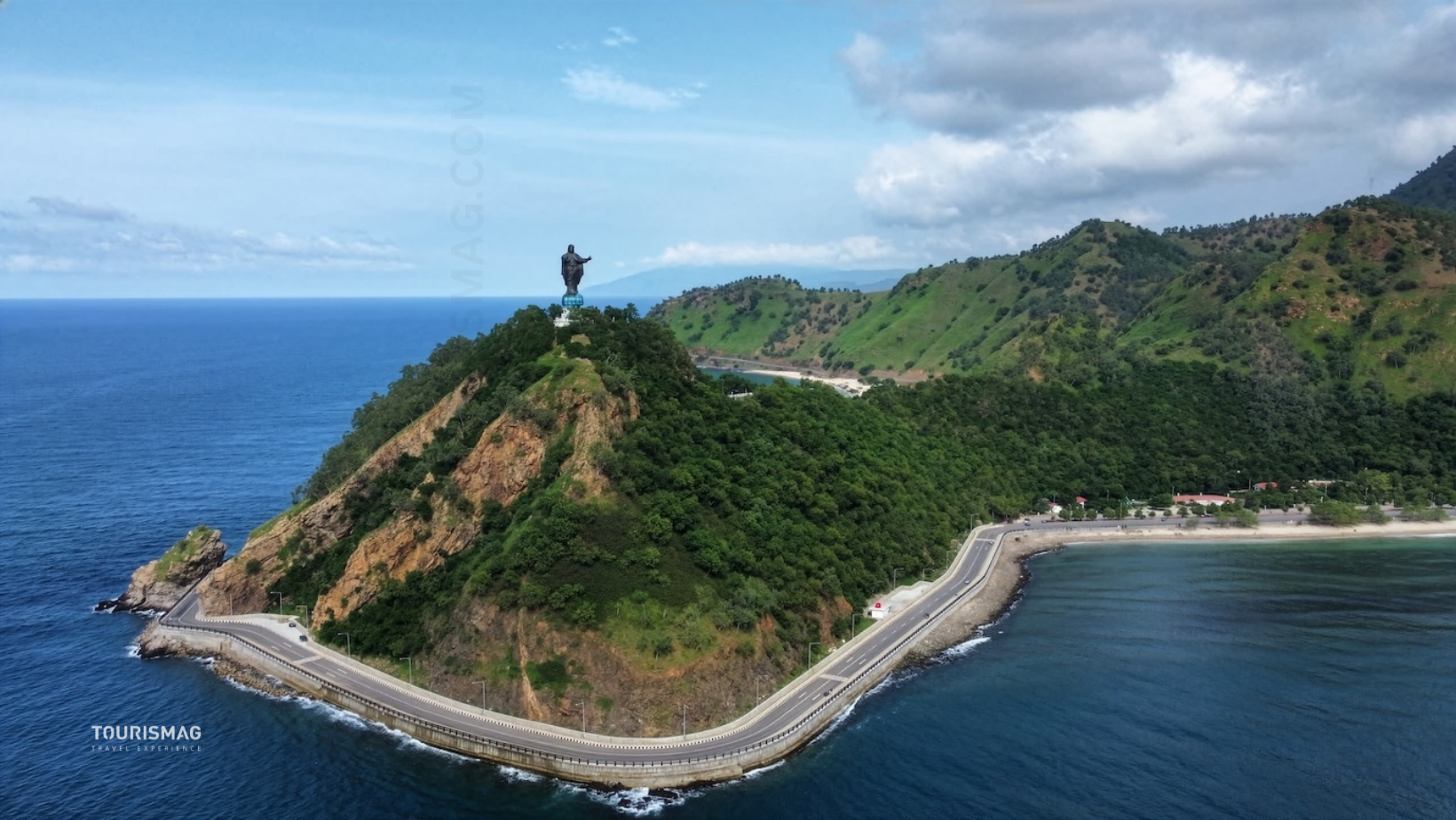
Indonesia, Thailand, Vietnam, Malaysia, the Philippines, Singapore, Cambodia, Laos, Brunei, Myanmar and Timor-Leste. together forming one of the most versatile tourism portfolios worldwide.
ATF & TRAVEX 2026: Tangible Outcomes
ATF 2026 gathered over 5,000 participants, including ministers, policymakers, international buyers, exhibitors and media. TRAVEX 2026 hosted approximately 600 sellers and nearly 300 international buyers from more than 40 countries, confirming strong global demand for ASEAN tourism products.
Key outcomes included the adoption of a hub-and-spoke development model, the launch of the ASEAN Sustainable and Resilient Tourism Outlook, the negotiation of contracts in niche segments such as luxury and adventure tourism, and the recognition of excellence through ASEAN Green Hotel and Clean Tourist City awards.
A Human-Centered Edition
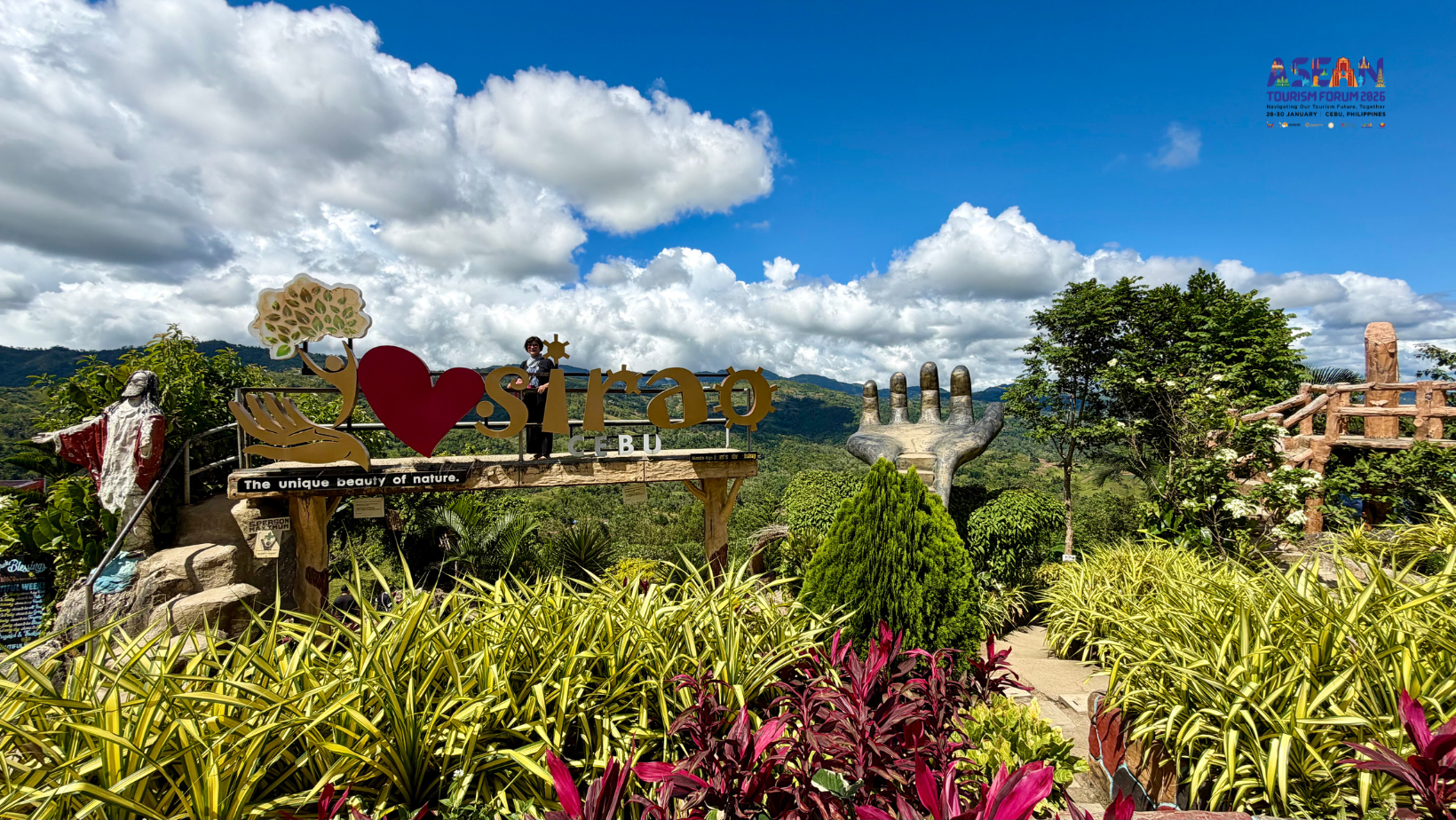
Beyond strategies and figures, ATF 2026 stood out for its human dimension. Thanks to seamless organization and the genuine warmth of Filipino hospitality, the event fostered meaningful exchanges and authentic networking. Cebu offered more than a venue, it showcased the Philippines as a diverse, welcoming and strategically mature destination, capable of hosting global events while highlighting its cultural and territorial richness.
Looking Ahead
As ASEAN prepares for ATF 2027 in Singapore, the region is entering a phase of implementation and consolidation.
If cooperation continues to outweigh competition, ASEAN has the potential to emerge as one of the world’s most resilient and future-oriented tourism ecosystems.
For the Philippines and all ASEAN member states, the horizon is promising, shaped by balanced growth, high-value experiences and a confident regional identity aligned with global expectations.