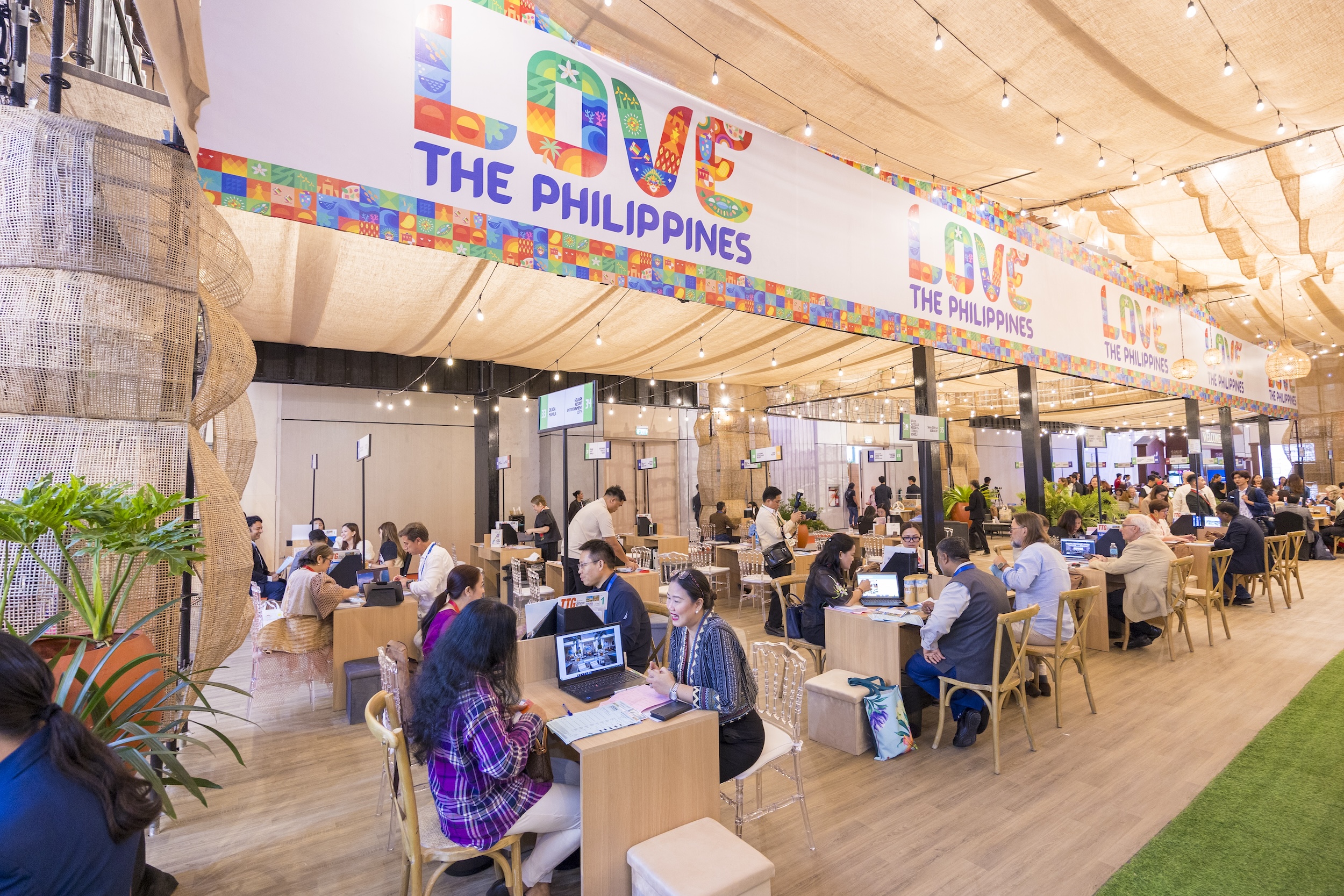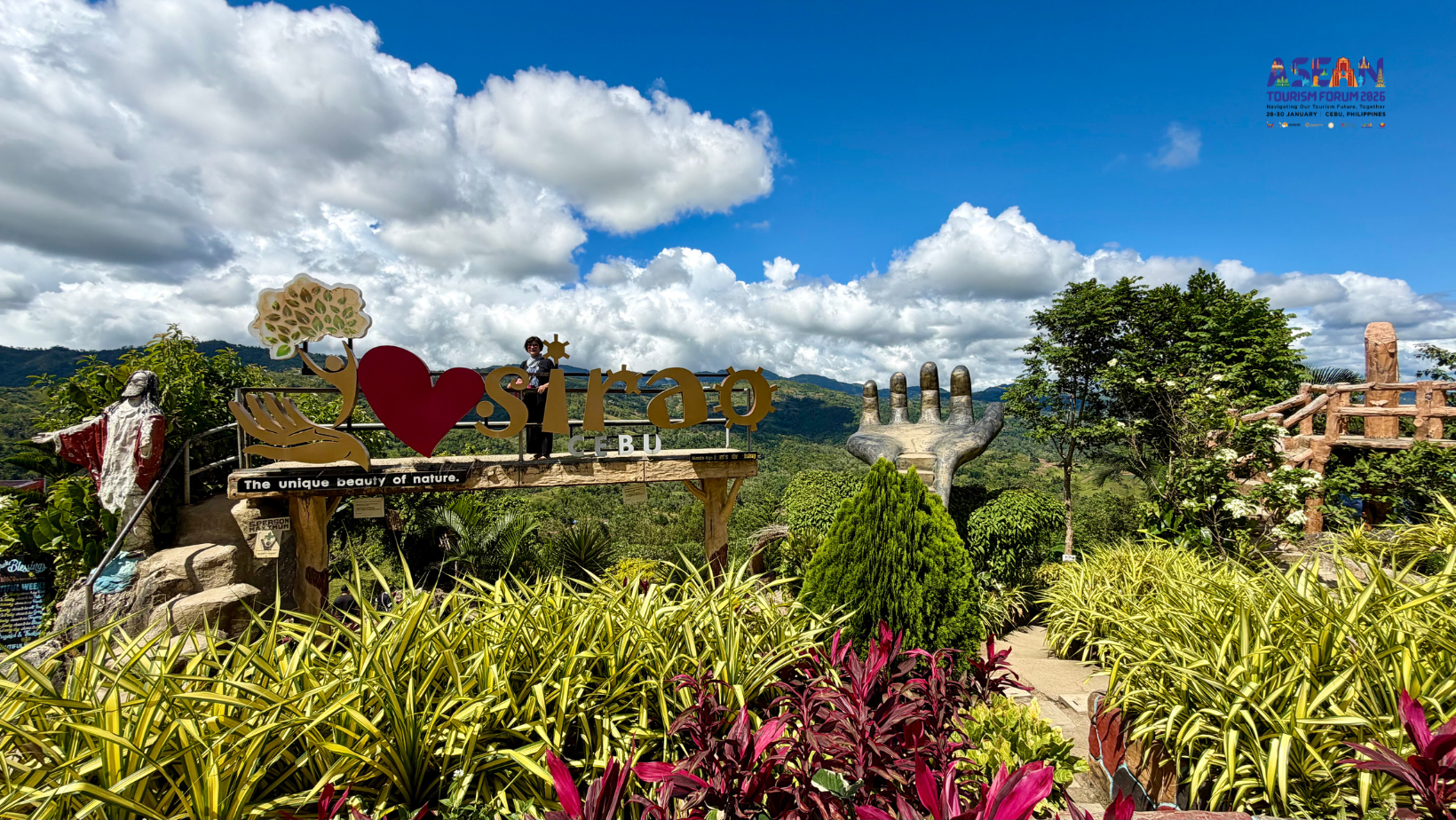
For years, ASEAN tourism has been perceived as a mosaic of highly attractive yet fragmented destinations — each competing on beaches, culture, cities or price. In Cebu, at the occasion of the ASEAN Tourism Forum (ATF) and TRAVEX 2026, a shift is clearly underway.
What emerged is not just another regional event, but a collective ambition to reposition ASEAN as a unified, resilient and future-oriented tourism region.
This ambition reflects a broader reality: in an increasingly complex global tourism landscape, no destination can thrive alone. Climate volatility, geopolitical tensions, changing traveler expectations and mounting sustainability pressures require regional coherence, shared standards and coordinated storytelling. ASEAN appears increasingly aware of this new equation.
This strategic shift aligns with priorities outlined by ASEAN tourism authorities and echoed throughout ministerial and technical discussions in Cebu.
NDLR- Tourismag
A Region with Rare Structural Advantages
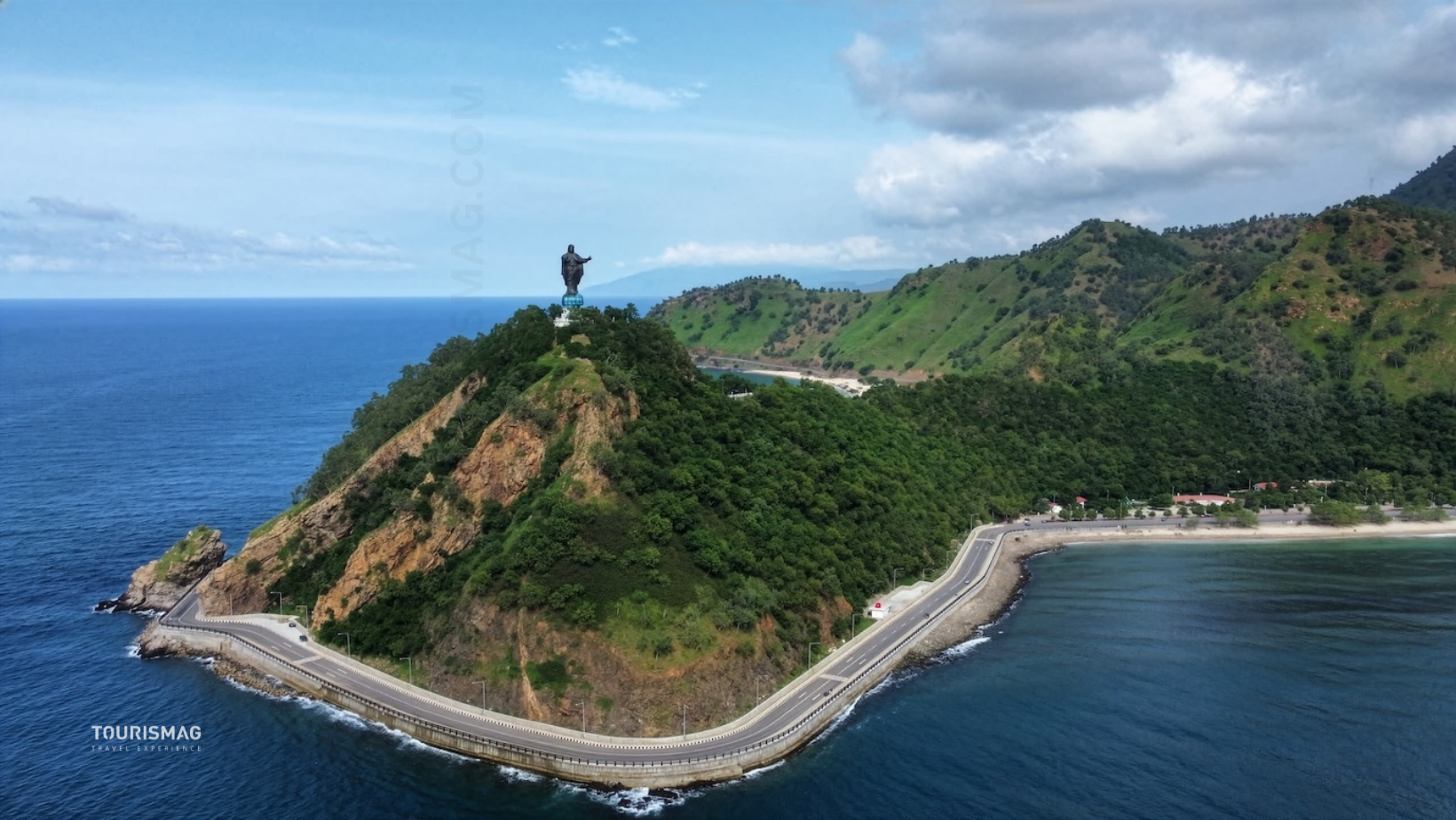
ASEAN’s tourism strength lies first in its diversity at scale. Few regions can offer, within a single travel perimeter, megacities and remote islands, UNESCO heritage sites and emerging creative hubs, luxury resorts and deeply rooted community experiences. From Singapore to Laos, from Indonesia to Vietnam, ASEAN presents a portfolio of destinations adaptable to multiple markets, including Europe, the GCC, the Americas and Asia-Pacific.Another key advantage is demographic and human capital. ASEAN tourism is powered by a young workforce, strong service culture and growing professionalism.
At ATF 2026, discussions around skills development, recognition of tourism professionals and cross-border collaboration highlighted a shared understanding: human capital is the region’s most strategic asset.
Connectivity also remains a major lever.
With improving air links, expanding low-cost and full-service networks, and a growing appetite for multi-country itineraries, ASEAN is well positioned to develop regional circuits and themed routes - culture, nature, gastronomy, MICE or adventure - that respond to evolving demand for longer, more meaningful journeys.
A Clear Strategic Shift: From Volume to Value
One of the most significant signals from ATF 2026 is ASEAN’s collective move away from pure volume-driven tourism. The launch of the ASEAN Tourism Sectoral Plan 2026–2030 confirms a pivot toward quality, resilience and sustainability. The narrative has matured. Tourism is no longer framed solely as an economic driver, but as a shared responsibility - toward communities, ecosystems and future generations. Concepts such as community-based tourism, gender inclusion, climate resilience and responsible investment are no longer peripheral; they are becoming central pillars of ASEAN’s tourism discourse.
For professional markets - particularly Europe and the GCC, where sustainability, ESG compliance and long-term value increasingly shape travel and investment decisions - this shift is not only welcome, it is necessary.
For the GCC in particular, ASEAN’s move toward value-driven, sustainable and multi-country travel resonates with a growing demand for long-haul journeys that combine depth, diversity and responsible positioning.
NDLR- Tourismag
The Role of TRAVEX: From Marketplace to Catalyst
TRAVEX 2026 illustrated how trade platforms themselves are evolving. Beyond scheduled meetings and transactions, the event functioned as a strategic connector - linking destinations, sellers, buyers, policymakers and media around a shared vision.
For smaller destinations and secondary cities, TRAVEX offers visibility that would be difficult to achieve independently. For buyers, it simplifies access to a complex region. For ASEAN as a bloc, it reinforces a simple but powerful idea: the region is stronger when it speaks with one voice.
Strengths, but Also Structural Challenges
Yet, ASEAN tourism is not without weaknesses. Regulatory fragmentation, uneven sustainability standards, infrastructure gaps and disparities in destination readiness remain real challenges. While some member states are highly advanced in digitalization, branding and crisis management, others still struggle with basic connectivity, skills or investment frameworks.
There is also the risk of uneven recovery, where flagship destinations rebound faster than lesser-known regions - potentially widening internal imbalances.
Addressing this requires not only funding, but governance, coordination and long-term political commitment.
Moreover, translating regional strategies into concrete, measurable outcomes remains the true test. Plans and declarations must now be matched by implementation, monitoring and accountability.
An Emerging ASEAN Tourism Identity
What Cebu ultimately revealed is a region in transition - moving from promotion to positioning, from competition to cooperation, from short-term recovery to long-term vision.
ASEAN tourism today is less about selling places and more about shaping an identity: one rooted in diversity, hospitality, resilience and responsibility.
The momentum is real. The intention is clear. The opportunity is significant.
ATF and TRAVEX 2026 confirm that ASEAN is no longer just a destination cluster - it is becoming a tourism ecosystem, increasingly aligned with global expectations and ready to engage professional markets seeking depth, meaning and sustainable growth.
The challenge ahead will be to maintain this collective momentum and to ensure that the ASEAN tourism vision is not only shared, but delivered.