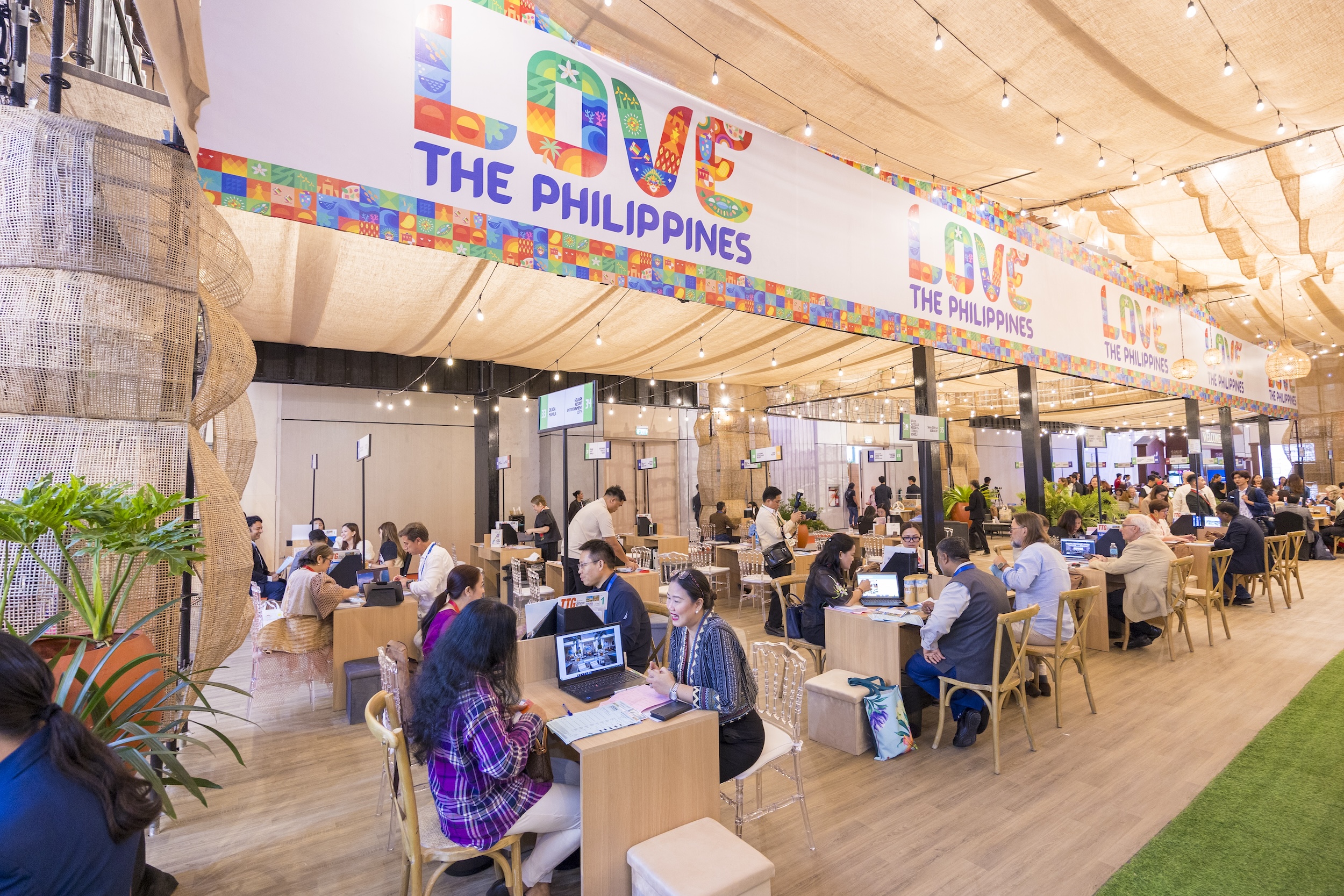
The ASEAN Travel Exchange (TRAVEX) 2026 officially opened in Cebu, marking a strong and symbolic start to the ASEAN Tourism Forum (ATF) 2026. Hosted at the newly built Mactan Expo Center in Lapu-Lapu City, the region’s flagship B2B travel marketplace brought together 271 international buyers from 50 countries, alongside 124 sellers and 222 exhibitors from across Southeast Asia.
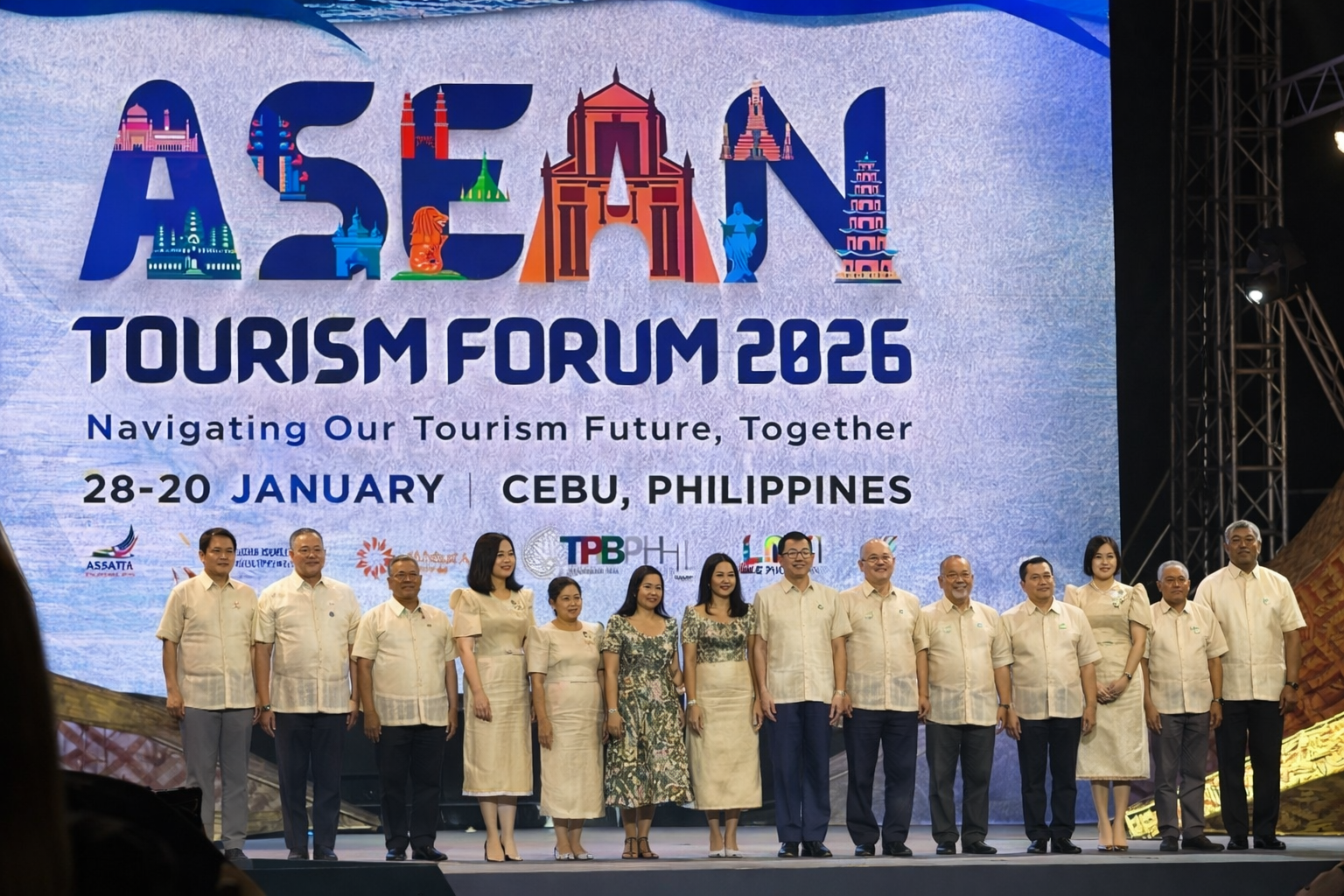
The opening ceremony was led by Philippines Department of Tourism Secretary Christina Garcia Frasco, joined by Indonesia’s Minister of Tourism Widiyanti Putri Wardhana, ASEAN Tourism Association President Eddy Krismeidi, Tourism Promotions Board (TPB) COO Maria Margarita Montemayor Nograles, senior ASEAN tourism officials, local authorities and industry leaders — all united around a shared ambition: positioning ASEAN as a seamless, competitive and sustainable tourism destination.
A Marketplace Reflecting ASEAN’s Diversity and Maturity
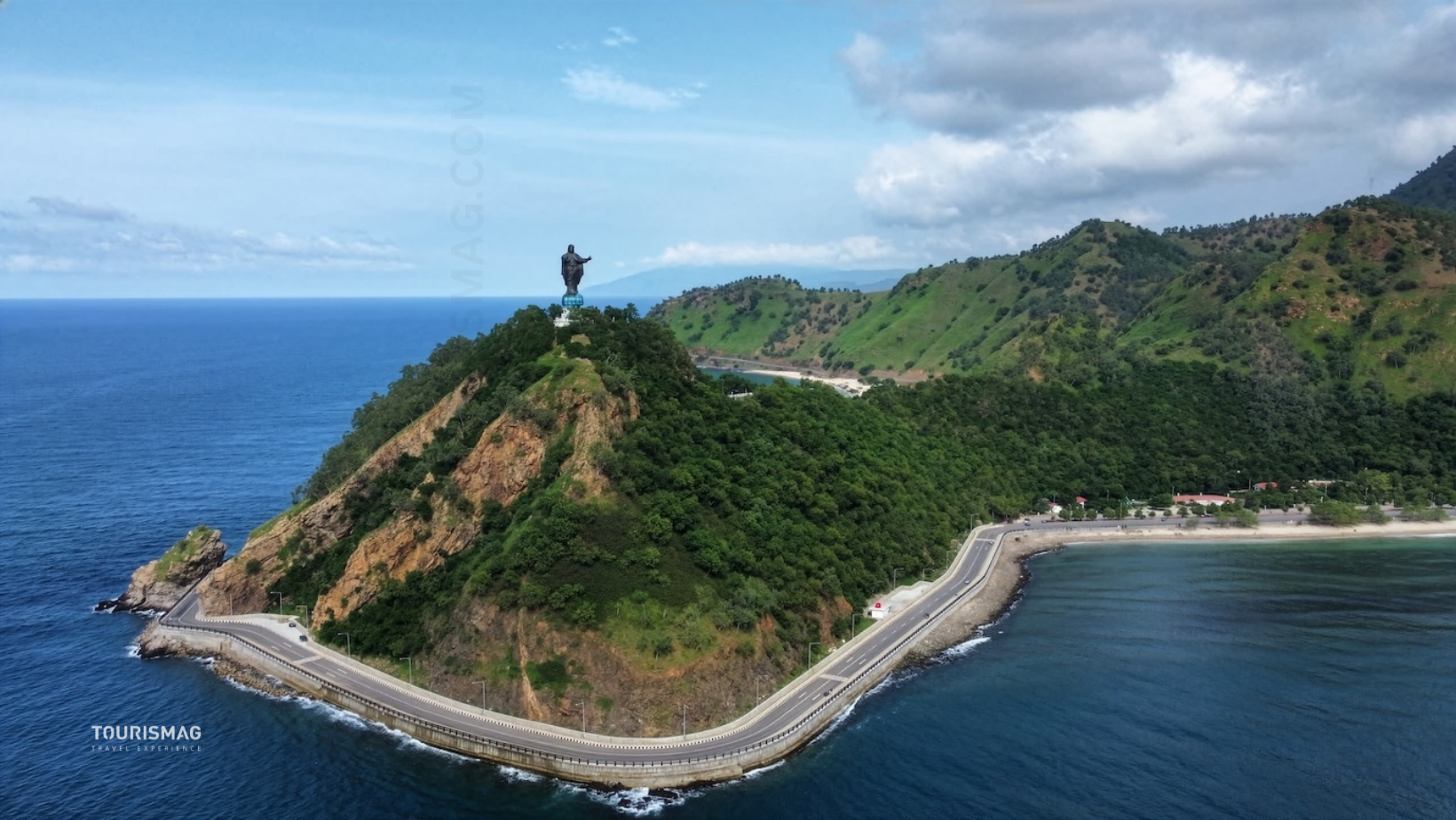
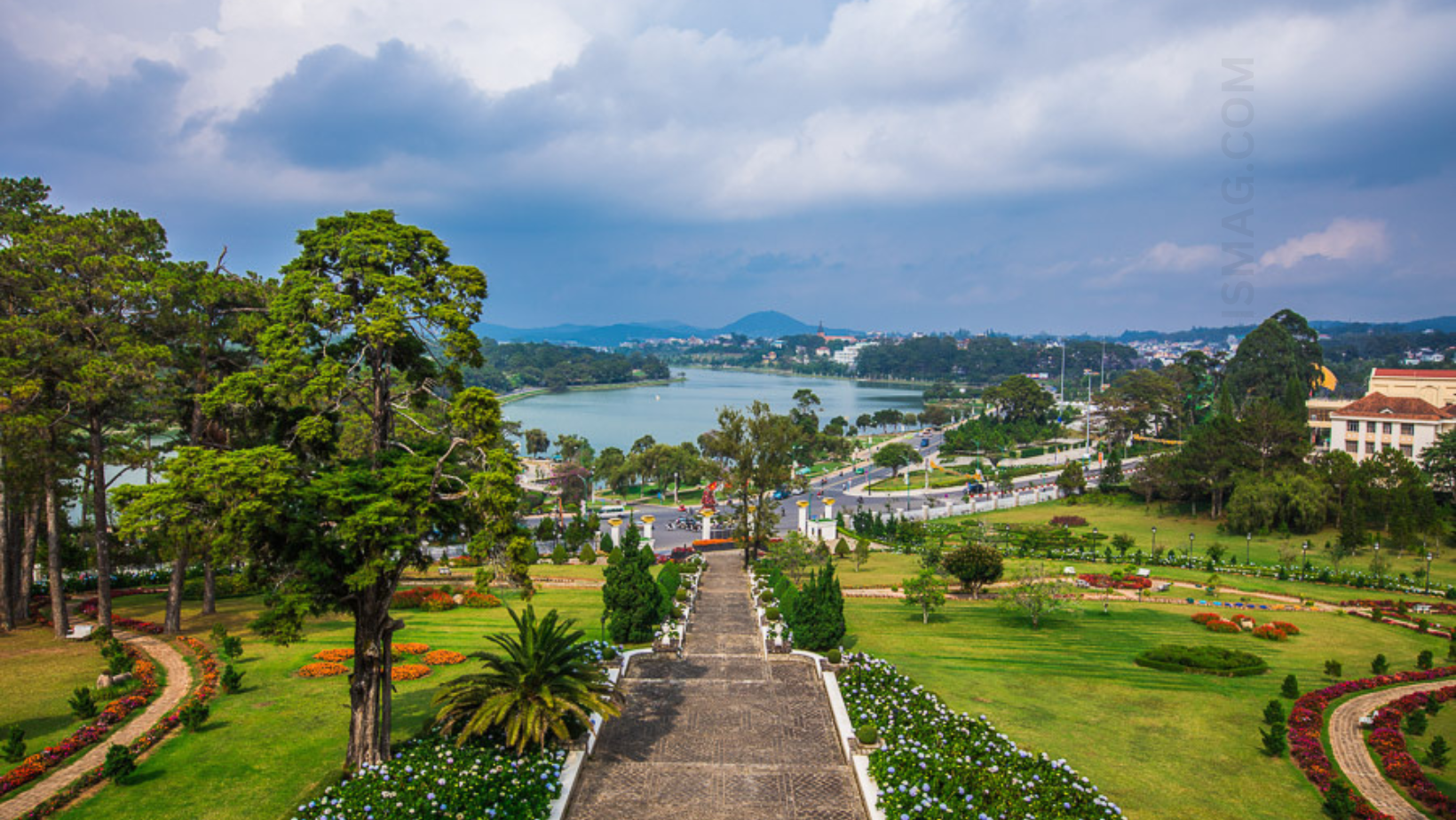
Over three days, TRAVEX 2026 showcases tourism enterprises, tour operators, destination marketers and buyers from all ASEAN member states, including the Philippines, Thailand, Vietnam, Indonesia, Malaysia, Cambodia, Laos, Myanmar — and Timor-Leste, the bloc’s newest member.
Philippine exhibitors span hotels and resorts, travel agencies, MICE venues, airlines and public institutions, reinforcing the country’s role as a strategic gateway for regional tourism trade and investment.
TRAVEX is more than a business platform,
Secretary Frasco underlined.
It brings together destinations, aspirations and shared responsibility for the future of tourism in our region — leading to tangible outcomes, lasting partnerships and a stronger ASEAN tourism community.
The Philippines' “Work of Heart” for ASEAN Tourism
A highlight of the opening day was the intervention of Maria Margarita Montemayor Nograles, Chief Operating Officer of the Philippine Tourism Promotions Board, who addressed media and industry partners with a message rooted in resilience, authenticity and long-term vision.
As the marketing arm of the Department of Tourism, TPB leads the Philippines’ international travel trade strategy across 13 key global markets, strengthening the country’s visibility through B2B engagements, trade shows and strategic partnerships.
Hosting ATF 2026 in Cebu — a decade after Manila last welcomed the forum — carries special meaning.
Hosting ATF once again allows us to showcase our work of heart for tourism,
while reaffirming our commitment to ASEAN collaboration and connectivity.”
Nograles said,
Acknowledging a challenging year shaped by global and local realities, she emphasized an enduring truth:
the resilience of the Filipino people and the enduring beauty of the Philippines’ 7,641 islands.
A storm may affect one province, but life continues across hundreds of destinations.
Communities rebuild, airports reopen, roads are cleared — and the Filipino spirit remains open to the world.
Global Recognition, Local Responsibility
Despite challenges, 2025 proved to be a year where the world rediscovered the heart of the Philippines. From international accolades for Philippine destinations and cuisine, to global cultural moments spotlighting Filipino identity, and the country’s acclaimed Expo 2025 Osaka Pavilion — awarded the BIE Silver Plaque — these recognitions, Nograles stressed, go beyond prestige.
They strengthen our resolve to protect our destinations, uplift communities, and honor our role as stewards of our country.
A Clear Strategic Direction for 2025–2028
The Philippines’ tourism strategy for 2025–2028 is anchored in a clear whole-of-nation approach, bringing together government, the private sector and local communities around four strategic priorities.
It is driven first by evidence-based marketing, using data-led insights to engage travelers with authenticity and relevance.
This is complemented by efforts to strengthen the country’s global tourism brand through partnerships with trusted local and international voices, while positioning the Philippines as a premier MICE destination capable of hosting world-class meetings, incentives, conferences and exhibitions.
At the same time, strong emphasis is placed on advancing sustainable, gender-responsive and community-based tourism through purposeful, long-term partnerships. In this context, ATF 2026 stands as a timely platform to demonstrate the country’s readiness and to ensure inclusive promotion across destinations nationwide, from Luzon to Visayas and Mindanao.
Beyond Cebu: Spreading the Tourism Impact
Through official post-tours, international buyers and media will experience the Philippines’ diversity across Manila, Pampanga, Palawan, Bohol, Dumaguete, Siargao and Davao, while 2026 will see the country host 89 ASEAN-related meetings nationwide.
Beyond major events, TPB continues to scale community-based tourism, championing weavers, artisans and local storytellers, alongside initiatives such as motorcycle tourism, cycle tourism, and regional travel fairs that support grassroots economies.
Sustainability remains central. TPB’s CSR programs — aligned with the UN Sustainable Development Goals — focus on education, environmental conservation, heritage preservation and community support, with ongoing projects in Batangas and Palawan.
Media as Strategic Partners
Addressing media partners, Nograles concluded with a clear message:
progress becomes meaningful only when it is truthfully and thoughtfully told.
Through you, our vision finds its voice,
Your stories transform destinations into experiences and inspire travelers to connect with our country.
She said.
As TRAVEX 2026 unfolds in Cebu, the Philippines welcomes ASEAN partners and global media with openness, readiness and a long-term commitment to collaboration — inviting the world to discover not just its destinations, but the human stories that define ASEAN tourism.

As TRAVEX 2026 unfolds in Cebu, ASEAN sends a strong signal to the world:
this is a region ready to collaborate, innovate and grow, without compromising its people, culture or natural heritage.
For Tourismag, - Media Guest - covering TRAVEX 2026 is not just about reporting an event. It is about highlighting a tourism model that increasingly aligns with the expectations of European and GCC markets seeking meaning, sustainability and trusted partnerships.