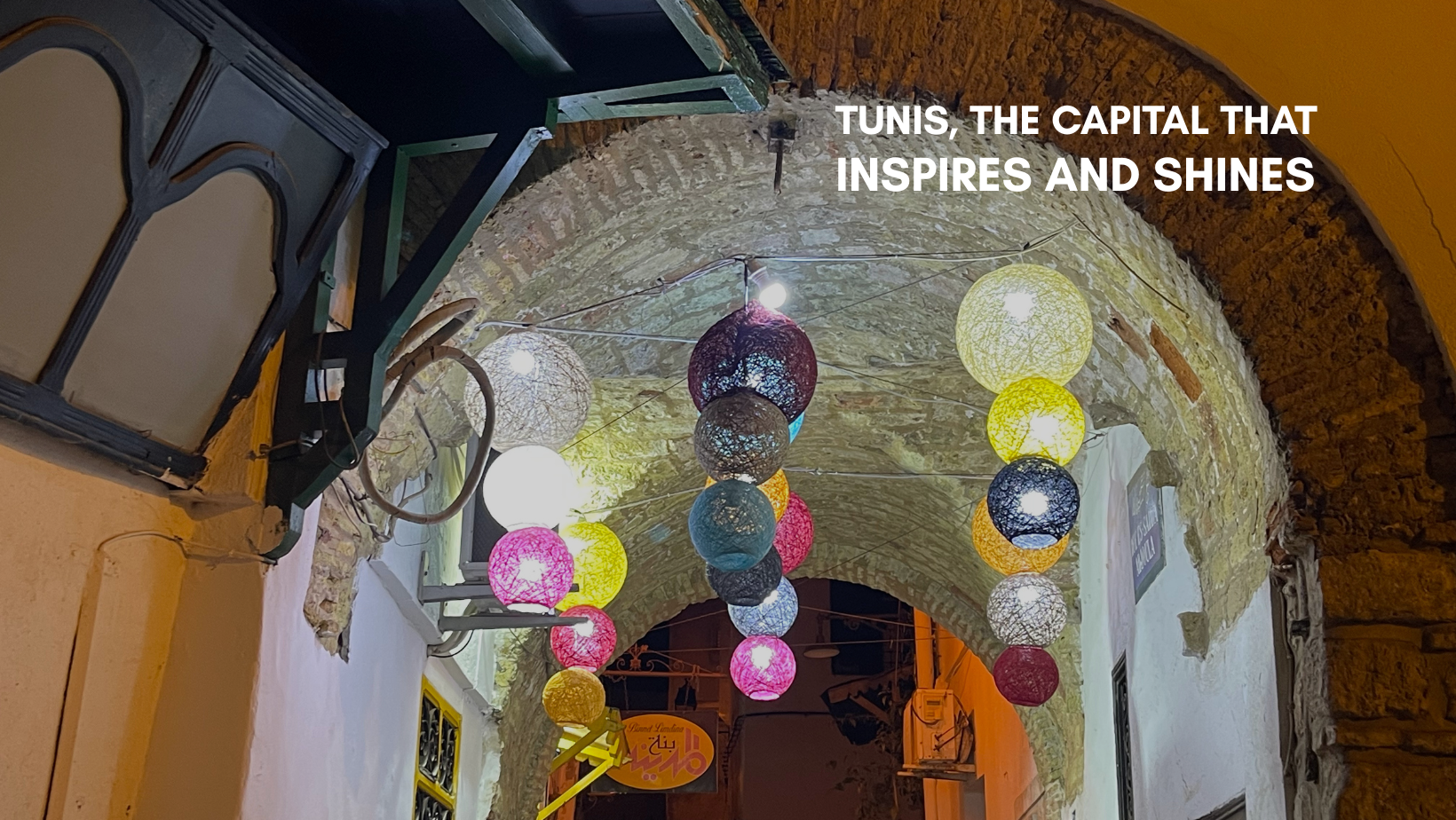
Tunis has been named the Arab Tourism Capital for 2027—a distinction announced in Baghdad during the 28th Ordinary Session of the Arab Ministerial Council for Tourism, held on 8–9 December 2025.
For anyone who knows the city’s cultural depth and creative pulse, this recognition feels not only deserved, but long overdue.
This title is more than an honour; it is a tribute.
A tribute to a city shaped by centuries of encounters, where Carthaginian roots, Arab and Mediterranean influences, contemporary artistic energy and ancestral craftsmanship blend into a living, breathing identity.Tunis is not just beautiful; it is alive, layered, and endlessly inspiring.Its selection into the UNESCO Creative Cities Network in 2026 had already set the tone: Tunis is a cultural capital that embraces creativity as part of its DNA, not as an accessory.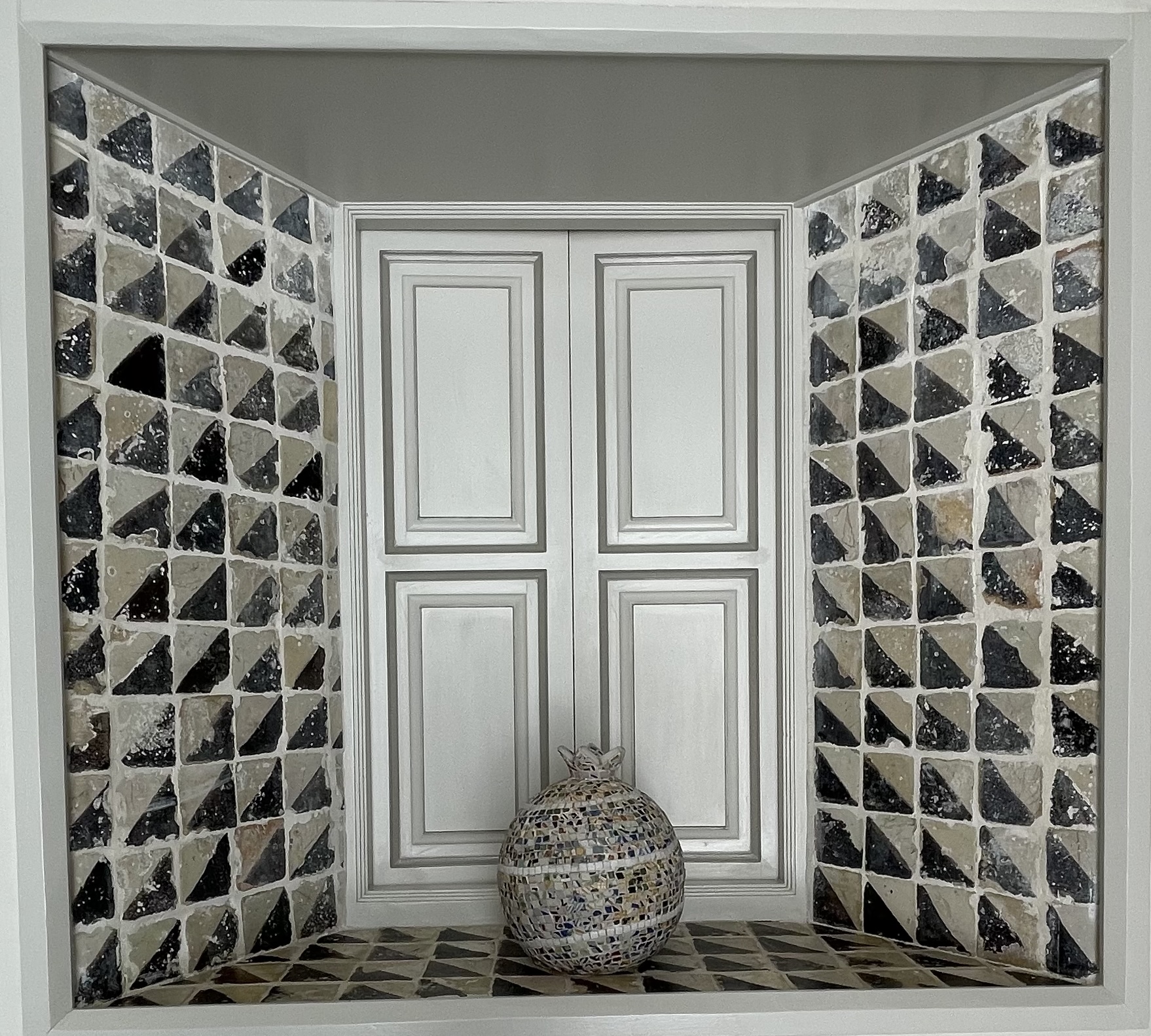
During the same session, Tunisia was also elected to the Executive Bureau and designated Vice-President of the Arab Ministerial Council for Tourism, further confirming its strategic role in shaping the regional tourism agenda.
Tourism and Handicrafts Minister Soufiane Tekaya noted that this recognition comes at a transformative moment for global tourism, a sector that now sits at the crossroads of economic, social and cultural dynamics.
Facing this new reality requires a vision grounded in innovation, sustainability and agility. He stressed that the future of Arab tourism will depend on deeper regional cooperation, moving beyond isolated initiatives toward a unified, integrated framework capable of delivering meaningful, long-term projects.
Tekaya also highlighted Tunisia’s recent efforts to modernise its tourism landscape: accelerated digital transformation, the use of emerging technologies, AI and content creation, a shift towards high-end experiences, support for startups, reinforced investment strategies, and a strong focus on key tourism segments such as cultural tourism, health & wellness, MICE, and desert & oasis travel. These reforms position Tunisia as one of the most forward-looking destinations in the Arab world.
On the sidelines of the event, Tekaya held discussions with his counterparts from Libya, Jordan, Oman, Iraq and Bahrain, strengthening collaborations that could reshape the Arab tourism landscape in the years to come.Tunis did not simply deserve this title. It embodies it.
Through its history, its openness and its remarkable ability to blend heritage with modernity, the Tunisian capital stands ready to offer the world not just a programme, but an atmosphere — a signature experience.Because Tunis is not a capital like any other.It inspires. It welcomes. It creates.And today, it shines brighter than ever.