From 2 to 6 November, the sixth edition of DUCO France brought 200 professionals from luxury hospitality and bespoke travel together with 180 travel advisers in Paris. Most advisers came from English-speaking markets, with the United States a priority for the organiser. The theme was ‘Le Grand Spectacle’. In the meeting rooms of Shangri-La Paris, a quieter question gave the week its purpose. What makes a traveller who already knows France want to come back and stay a little longer?
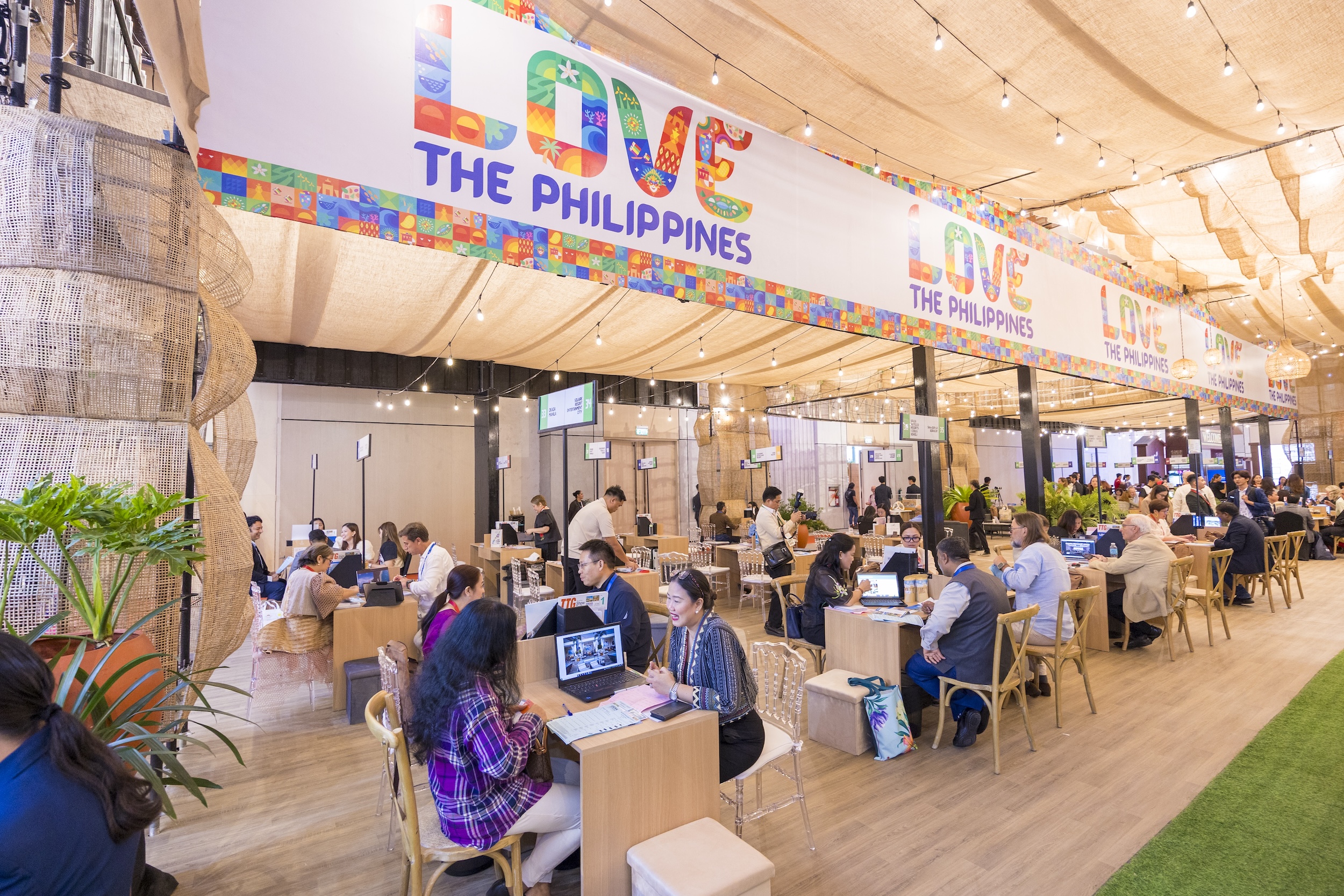
Twenty minutes. That was the time allotted to each appointment at Shangri-La Paris. For a hotelier sitting across from a travel adviser, one question could make those minutes count. which of your clients would you send here? The more interesting conversation may come weeks later, when a client tells their adviser they would love to go back to France. This is where a detail remembered from Paris earns its place in an itinerary. The adviser knows who would gladly spend three days in one town, who likes to return to the same table, and whose idea of a good holiday includes a morning with nothing booked.
The people who already sell France
Each DUCO summit focuses on a single destination, with both exhibitors and buyers selected by invitation. Hotels made up the largest group in Paris, alongside destination management companies, cruise operators, private aviation specialists and people who design tailor-made experiences. The France they represented stretched from Burgundy and the Côte d’Azur to Saint-Barthélemy, Saint-Martin and French Polynesia.
The numbers help explain the emphasis on the American market. According to Atout France, the US accounted for 5.5 million of France’s 102 million international tourist arrivals in 2025 and €7.3 billion of its €77.5 billion in international tourism receipts. Barely more than one visitor in twenty. Nearly one euro in ten.
 Travel advisers in conversation with representatives of French luxury maisons at Shangri-La Paris during DUCO France 2026.
For the people around the table, another detail matters just as much. Atout France says most American visitors have been to France before. An adviser may already know which Paris hotel a client loves well enough to book again. The opportunity is to suggest something that belongs on the same journey: an autumn stay in the Médoc, perhaps, or two nights in a town the client remembers only from the drive through.
Time, and the people who give it
There is a particular luxury in giving yourself enough time to become familiar with a place. By the third morning in a valley, you may have a preferred walk. Return to a vineyard in winter and the grower may have time to explain why two neighbouring plots produce quite different wines. Come back to a hotel a year later and see what someone remembers about you.
It might be the waiter who remembers your table, the housekeeper who makes sure your reading light works, or the winegrower willing to spend an hour on that single plot. A hotel can redo its décor in one winter. It takes years to build a team. When an adviser recommends a stay to someone whose tastes they know well, part of what they are putting their name to is the judgement of the people who will look after that guest.
At the Lido, the travel trade casts its vote
On 2 November, Accor and Orient Express hosted the opening evening at the Théâtre du Lido, where the DUCO France Awards were presented. The advisers attending the summit had nominated their preferred suppliers among the exhibitors. Their choices carry a particular kind of recognition. These are people who may have to explain, on a client’s return, why they recommended a particular hotel.
Domaine Les Crayères, a 20-room château hotel in Reims, won Hôtel de Charme, the category for properties with up to 50 rooms. On the Croisette, Hôtel Martinez in Cannes took the Emblématique Maison award. Orient Express Sailing Yachts was named Unique Experience Provider, while Gorka Bergareche, general manager of Park Hyatt Paris-Vendôme, received the Best Hôtelier distinction.
In Reims, Domaine Les Crayères responded by paying tribute to the daily work of its staff. There is a telling detail in that choice. The name announced on stage was the hotel’s. In its own account of what the award meant, the people who prepare for each guest’s arrival got the credit.
 Michel Cottray, general manager of Hôtel Martinez in Cannes, receives the ‘Emblématique Maison’ award at the 2026 DUCO France Awards in Paris. | Photo © DUCO France
A change of leadership and four dates for 2027
The Paris edition followed a change of ownership. Founded in 2016 by Carolina Perez, DUCO was acquired in August 2026 by RNP Growth, an investment fund led by Rebeca Pinheiro. Perez remains a shareholder and retains a strategic role on the board. As president and partner, Pinheiro now leads DUCO’s day-to-day operations alongside the existing team.
The 2027 calendar takes DUCO to Rome from 15 to 19 March, followed by London from 12 to 16 April for its first UK and Ireland edition. Marbella hosts the Spain and Portugal summit from 18 to 22 October, before the seventh French edition returns to Paris from 2 to 6 November.
What two more nights can mean
Atout France estimates that US visitors spend six to seven days in France on average. Within a week, an adviser who knows a client well has a decision to make. Is there room for another stop, or is there somewhere on the itinerary where the traveller would be glad of another day? For a destination seeking to spread visits across more of the country and more of the year, those small decisions matter.
For a guest arriving on a long-haul flight, a longer stay also raises a fair question about what those extra days bring to the place itself. A hotelier has something worth sharing in those twenty minutes when they can name the growers who supply the kitchen, the guide they book for a walk, or the people a visitor can meet outside the hotel. Those details give an adviser a reason to suggest a longer stay and a guest a reason to take them up on it.
Twenty minutes in Paris might persuade a traveller to spend two more nights in Champagne. By the second evening, they may have a favourite table and know the name of the person who pours the wine.