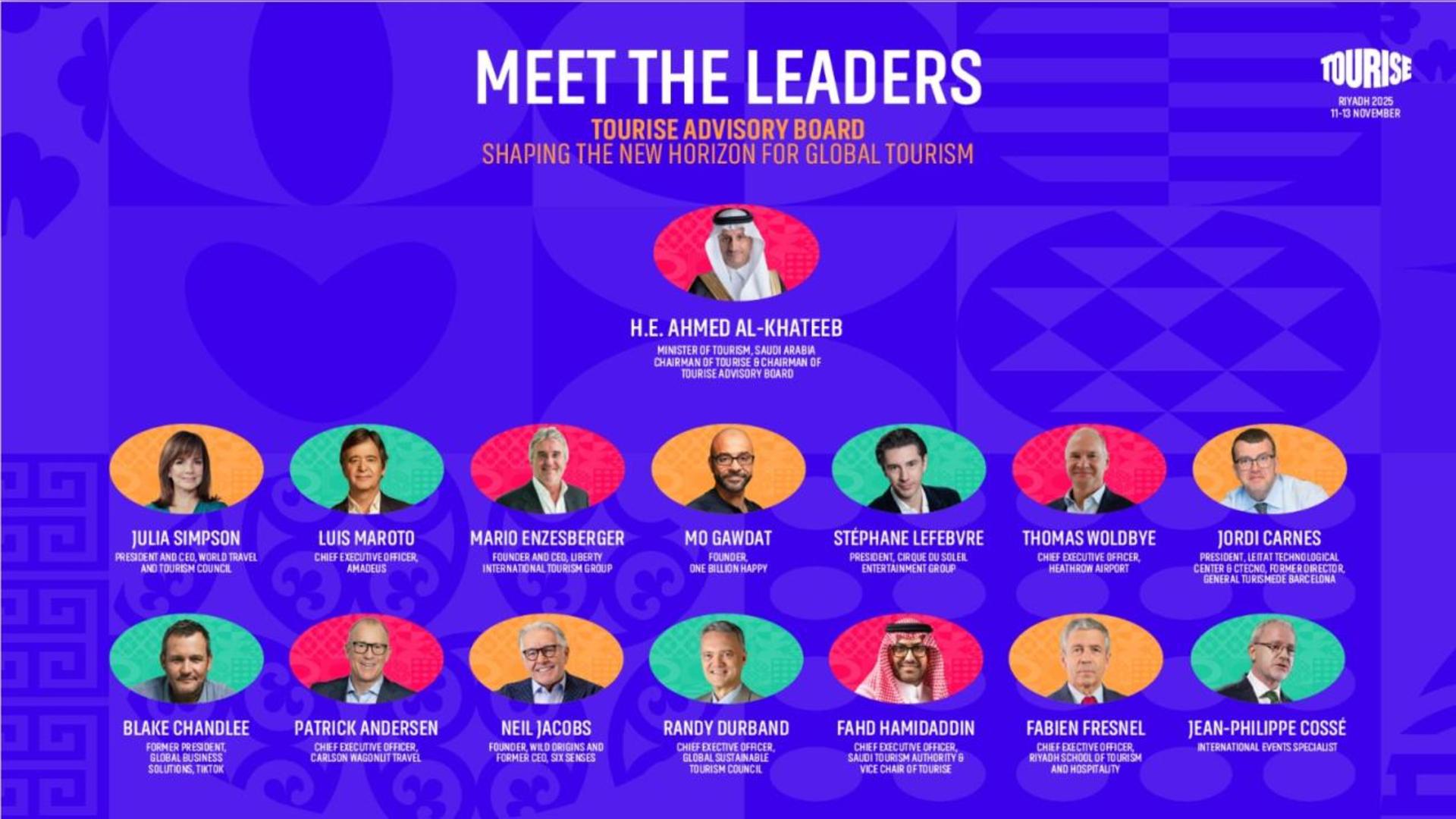
By Randy Durband, CEO GSTC
Scaling sustainability is critical, but has moved too slowly. Based on our 19 years of developing and operating the Global Sustainable Tourism Council, truly globally in around 100 countries and major brands, we have a good understanding of its obstacles and the key success factors.
The main obstacles: lack of knowledge and understanding, limiting thinking to carbon footprint, neglecting to monitor the rising consumer demand for sustainability, outdated thinking about costs, franchise models limit brand action especially in hospitality, lack of a single standard.
The last item is vexing for us at GSTC because we were created to solve the problem, and we operate several standards for travel and tourism subsectors, all based on the SDGs but carefully crafted through highly inclusive engagement to address the travel and tourism industry specifically. Standards are viewed too much as purely the checklist for auditing and certification, but their great value is missed in terms of measuring and reporting. For carbon alone there are at least 12 forms of measurement employed for hospitality, meaning that many hotels have to measure and report in multiple ways….creating an enormous inefficiency and therefore limiting the scaling of sustainability.

There are positive trends that need scaling, such as open source tools to measure, and therefore report, on key performance indicators for sustainability in travel. ESG Reports can be built around the same structure. In short, a single standard can be used for measurement, reporting, and then for auditing, all using a coherent management system. When that organization is place, the magic happens. But it’s all too rare.
The traveler wants more sustainable forms of travel. We know that aviation is not close to operating on clean fuel. But everything we do on land and water can be highly sustainable yesterday. Leaders in tourism need to overcome outdated thinking, consider the value of universal systems to measure and report for internal management and external reporting and marketing purposes.
Sustainability speaks to resilience, because the GSTC Standards include SDG-based elements of governance and management approaches, social responsibility, cultural sensitivity, and so on.
In fact, one could say that “sustainable management” is simply “good management.”
We must move past the short-term thinking inherent in focus on quarterly financial reports to look more widely at performance which includes employee skills and stability, proper planning and execution for an industry with extended sales cycles and prone to external disruption.
There is “low-hanging fruit” in scaling sustainability. One of the most dramatic is food waste reduction, which is a massive contributor to greenhouse gas emissions that cause climate change. There is a direct correlation of cost reduction to food waste reduction, with virtually no capital investment required, just a bit of learning and alterations to operations.
Mostly, awareness and education can bring positive change quickly and for low cost. Workers who learn sustainable ways are quick to change and show a higher degree of loyalty to their employer.
GSTC can help with all the obstacles: low-cost online training for workers in specific fields of travel and tourism, standards to be used for measurement and reporting, verification systems at various price levels, market benefits to users, and more.
The path forward is not well understood, but with a bit of effort, businesses and destination managers can move forward for less money and energy than they might suspect.