
At its 10th anniversary edition in Paris, VivaTech did not simply celebrate the future of artificial intelligence, robotics or deep tech. It also offered a revealing glimpse into the future of travel: more intelligent, more personalized, more sustainable, and increasingly shaped by technology far beyond the traditional tourism industry.
Paris once again positioned itself at the crossroads of innovation and global influence. From June 17 to 20, 2026, VivaTech brought together more than 200,000 visitors from 165 countries, over 15,000 startups, 4,500 exhibitors and more than 1,155 speakers. For the travel and hospitality sectors, the event was not a classical tourism fair. And precisely for that reason, it was highly relevant.
The future of tourism is no longer being written only in hotel lobbies, airline boardrooms or destination marketing offices. It is also emerging from AI labs, mobility platforms, climate-tech startups, accessibility solutions, immersive heritage tools and data-driven service ecosystems. VivaTech 2026 made that shift visible.
From booking to intelligent travel ecosystems
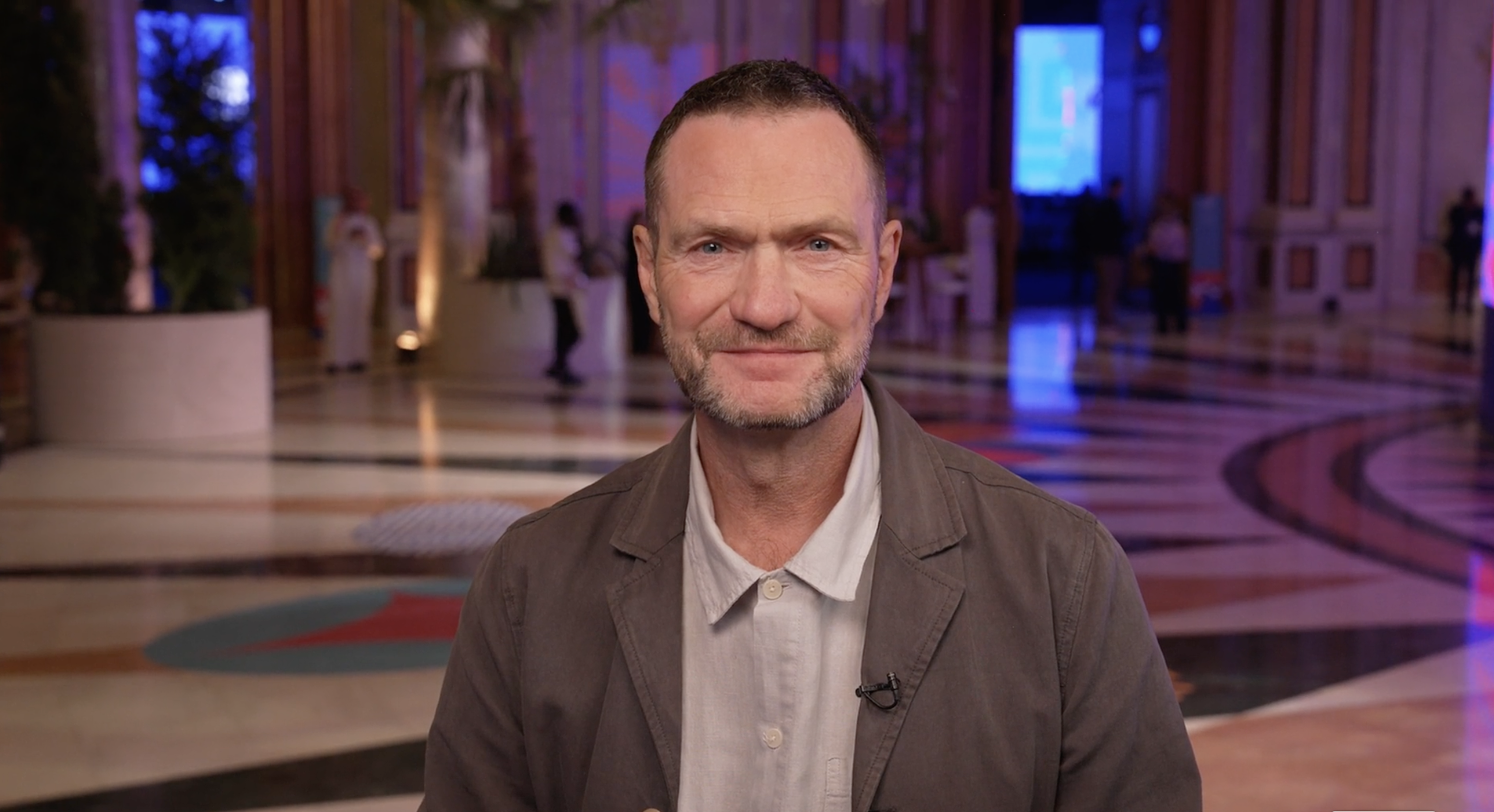
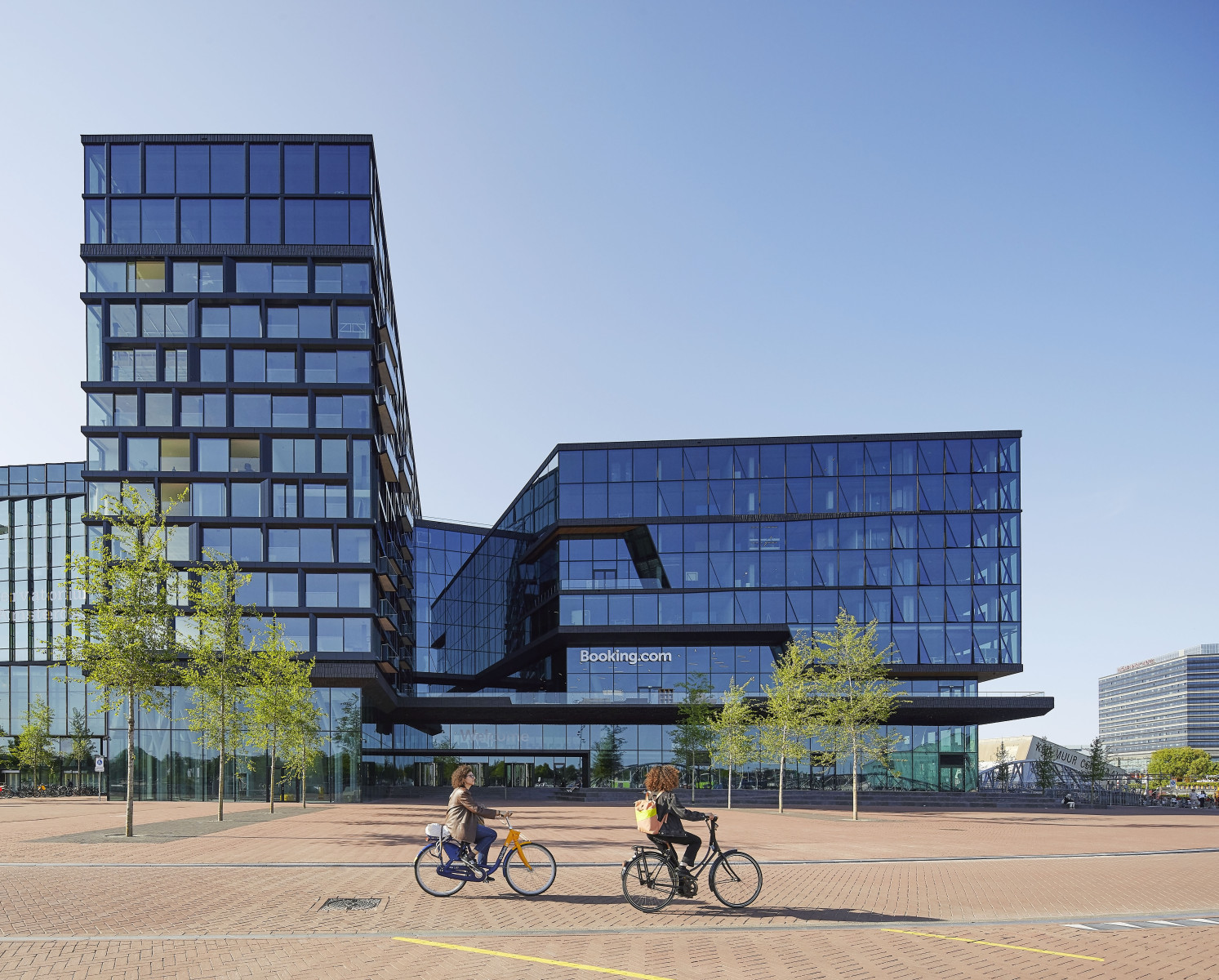
One of the strongest signals came from Booking.com, which joined VivaTech to highlight how technology, artificial intelligence and innovation at scale are reshaping the way people discover, choose and experience travel. In a dedicated conversation, Glenn Fogel, CEO of Booking.com, addressed the challenge of remaining innovative while already operating at global scale.
This is a central question for the tourism industry. The next phase of travel technology is no longer only about simplifying reservations. It is about building connected journeys, where inspiration, booking, transport, accommodation, activities, customer service and partner support are integrated into a more fluid experience.
For travellers, this means fewer frictions and more relevant choices. For hotels, agencies, SMEs and destinations, it means new expectations: better data, faster response, more personalization and stronger digital visibility.
AI is not replacing the emotional dimension of travel, but it is increasingly influencing how that emotion is accessed, planned, purchased and supported.
Personalization moves upmarket
Among the travel-oriented startups present at VivaTech, Travel in Your Pocket reflected another important trend: the return of the human touch, supported by AI. The South Korean startup combines AI trip planning with a luxury concierge service, targeting affluent travellers looking for highly personalized journeys.
This hybrid model is particularly interesting for premium tourism. Luxury travellers do not necessarily want full automation. They want relevance, discretion, speed and access.
The innovation lies in using AI not to make travel impersonal, but to make human service more precise and responsive.
For destinations seeking to attract high-value travellers, this type of solution points to a broader transformation: personalization is becoming a competitive standard, not a luxury extra.
Hotels under pressure to become smarter and more efficient
Hospitality innovation was also visible through solutions designed to reduce costs, improve operations and support sustainability. Luniwave, a French startup, focuses on helping hotels reduce water and energy consumption by encouraging responsible guest behaviour. Its approach speaks directly to one of the industry’s most pressing challenges: making sustainability operational, measurable and financially relevant.
This is where the conversation becomes strategic. Hotels are often asked to become greener, but many operators still need practical tools that connect environmental impact with cost control. Technologies that help reduce water use, energy consumption or operational waste are increasingly important, especially in destinations facing climate stress, water scarcity or rising utility costs.
Beditas, from Spain, also illustrates the move toward smarter tourism infrastructure. Its solution is designed for hotels and tourist accommodation, but also for museums, interpretation centres and tourist offices. This is a key signal: digital transformation is no longer limited to accommodation providers. It is entering the entire visitor journey, from cultural discovery to local information and destination services.
Travel agencies are also entering a new digital cycle
Another relevant example is Just Travel, a B2B SaaS company helping small and medium-sized travel agencies increase revenue, reduce costs and scale faster through digital transformation. Its model connects agencies to global travel suppliers through a unified API ecosystem.
This matters because the future of travel distribution is not only about global platforms. Smaller agencies still have a role to play, particularly in complex, tailor-made, regional or culturally specific travel. But to remain competitive, they need access to better digital infrastructure. VivaTech showed that innovation can also serve the middle layer of the travel economy: agencies, SMEs, local operators and intermediaries who often lack the resources of large global players.
_1.jpg)
Heritage, territories and immersive discovery
One of the most interesting tourism-related innovations came from MemoriaGates, a French startup focused on heritage and territorial revitalization. Its platform aims to centralize and enhance fragmented heritage content through immersive discovery experiences for local authorities, stakeholders and visitors.
This is highly relevant for destinations where cultural assets exist but remain underused, poorly connected or insufficiently interpreted. Heritage is not only a matter of preservation. It is also a matter of storytelling, access and local economic value.
For emerging destinations, rural regions, old medinas, historic villages or cultural routes, tools like this suggest a new possibility: using technology to make heritage more legible, more engaging and more beneficial for communities.
Accessibility becomes a travel-tech priority
VivaTech 2026 also highlighted the growing importance of inclusive travel. AVI, a French AI plugin designed for mobility, travel and leisure platforms, focuses on helping professionals anticipate, support and secure trips for users with specific needs.
This is a major topic for the tourism industry.
Accessibility is too often treated as a compliance issue, when it should be understood as part of service quality and destination competitiveness.
Travellers with disabilities, elderly travellers, families and people with temporary mobility or sensory needs all require better information, smoother planning and more reliable assistance.
AI, when designed responsibly, can help tourism providers move from reactive support to anticipatory service. That shift could make travel not only easier, but more dignified and inclusive.
Mobility remains central to the visitor experience
Tourism innovation also appeared through mobility solutions connected to airports, train stations and urban flows. Ector, a French valet parking service operating in major transport hubs, reflects a practical but important reality: the travel experience begins long before check-in and continues after arrival.
For destinations, mobility is part of the brand experience. A complicated arrival, poor intermodal connection or stressful airport transfer can weaken the entire journey. Smart logistics, parking, fleet management and station services may not look glamorous, but they are essential to seamless travel.
Guestadom, meanwhile, showed another side of the visitor economy: the professionalization of short-term rentals. By combining distribution, revenue management and local concierge services, the company addresses the growing need to structure private accommodation in a way that creates value while improving service standards.
What VivaTech tells us about the future of tourism
The main lesson from VivaTech 2026 is that tourism innovation is becoming transversal. It is no longer confined to booking engines or hotel software. It now includes AI, water management, mobility, accessibility, immersive heritage, local accommodation, data infrastructure and human-centred digital services.
For destinations, this creates both an opportunity and a warning.
The opportunity is clear: technology can help destinations become more visible, more efficient, more sustainable and more inclusive. It can support SMEs, improve visitor flows, enhance heritage interpretation and create more personalized experiences.
The warning is equally clear: destinations that do not invest in digital capacity risk losing control over their narrative, their data and their competitiveness. In the age of AI-powered travel, visibility will depend not only on beauty or reputation, but also on the ability to structure information, connect stakeholders and deliver frictionless experiences.
VivaTech 2026 confirmed that the future of tourism will not be shaped by technology alone. It will be shaped by the way destinations, companies and communities choose to use it.
The real innovation is not to make travel more automated. It is to make it more intelligent, more responsible and more human.