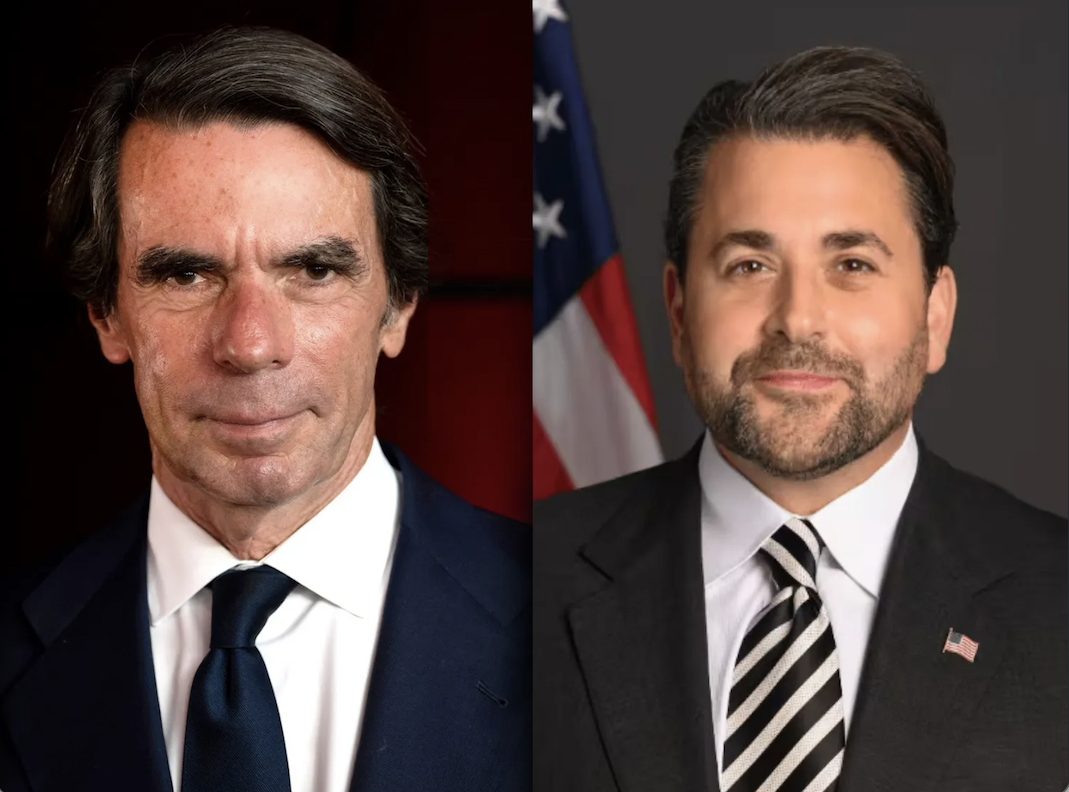

At the WTTC Global Summit in Malta, Sébastien Bazin and Eijiro Yamakita explored the choices that will shape tourism’s next decade. Their conversation brought together confidence in future demand and searching questions about customer relationships, artificial intelligence and the people on whom hospitality depends.
Sébastien Bazin is confident that people will continue to travel. Population growth, expanding middle classes and more accessible transport provide, in his view, powerful foundations for tourism’s long-term prospects.
What concerns the Accor chief executive is how the industry’s businesses will fare within that growth.
Alongside Eijiro Yamakita, Chairperson and Representative Director of JTB Corp., Bazin used the WTTC session What Are Your Priorities? to examine the decisions that will determine their place in a changing sector.
The discussion, framed around WTTC’s eight strategic priorities, moved between technology, talent and cooperation. A common concern emerged: how can tourism businesses retain the ability to shape their future while continuing to enrich the traveller’s experience?
A Growing Market Still Demands Difficult Choices
For Bazin, favourable demand makes strategic choices all the more consequential. Where should a company invest? Which markets should it prioritise? Should it own hotels, manage them, franchise brands or provide finance?
The question is how do you play and where do you play?
Each answer brings a different set of opportunities, obligations and dependencies. Growth across the sector offers no assurance that every business will strengthen its position.
Bazin’s concern is that the balance between the industry’s established players could shift considerably.
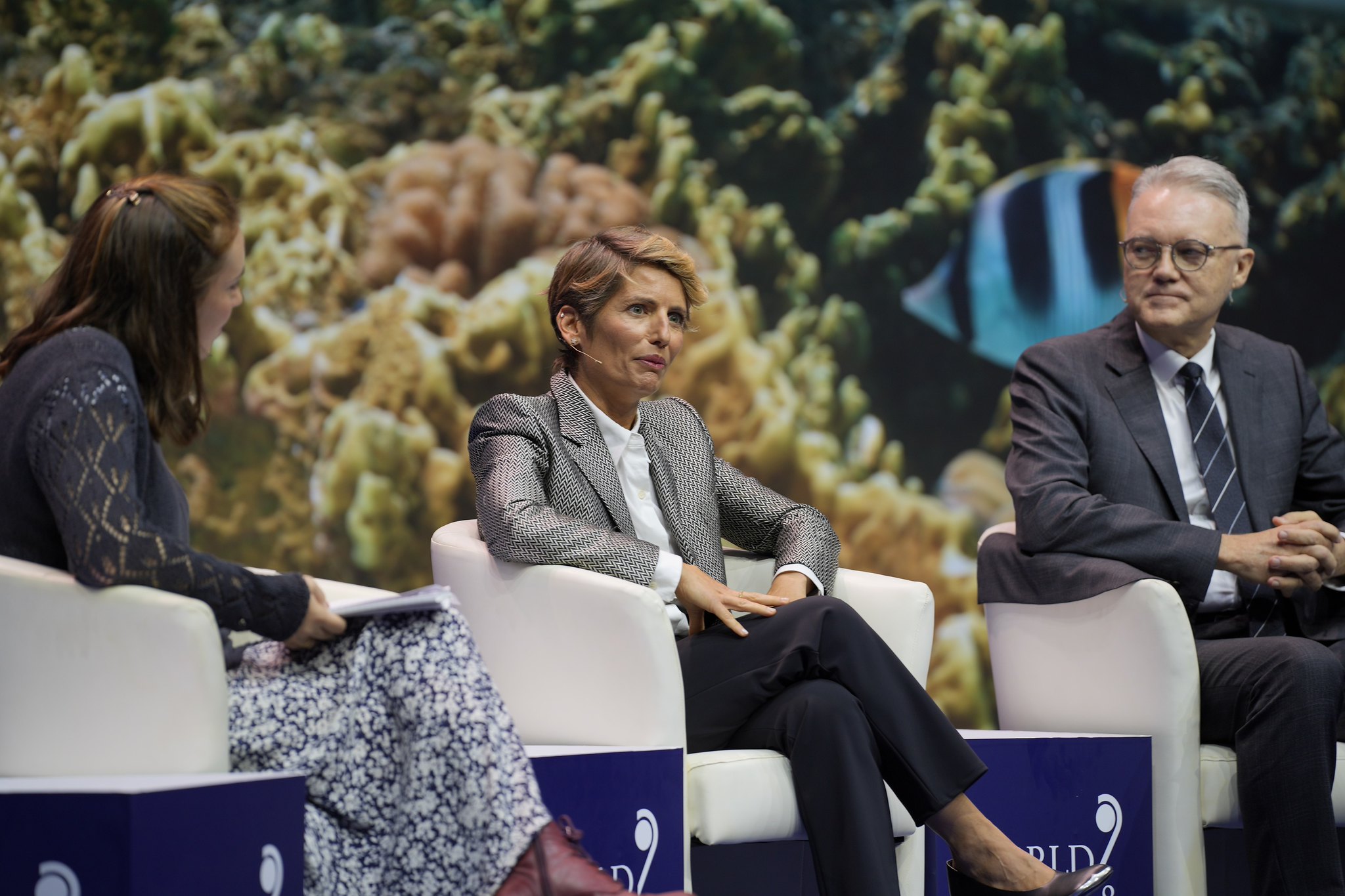
 Sébastien Bazin, Chairman & CEO of Accor, discusses how AI could reshape tourism’s competitive landscape at the WTTC Global Summit 2026 in Malta.
Artificial intelligence could accelerate that process. As conversational tools become part of travel planning, they may influence which destinations people consider, which hotels they compare and how they put a journey together.
For the businesses delivering those journeys, this raises questions about visibility, access to customers and the cost of maintaining that access.
The Customer Relationship Enters New Territory
Bazin openly questioned who would benefit from this transition. AI platforms, online travel agencies, tour operators and hotel groups could all find their roles changing.
He offered no settled answer. His questions exposed a commercial uncertainty: businesses that welcome the guest may become more dependent on those that guide the booking.
The information travellers share with conversational tools adds another dimension. Their preferences, expectations and aspirations could give these services considerable insight into the decisions that follow.
Against that prospect, Bazin argued that brands would become more valuable — and that their promises would have to withstand the test of experience.
Brand promise needs to be met.
For hospitality, that brings the discussion back to the stay itself. A recommendation may secure a booking; what happens after arrival determines whether the guest’s confidence was well placed.
As the routes to a reservation evolve, the promise made before booking must hold true throughout the stay. The quality of the welcome, reliable service and attention to individual needs give that promise substance.
Human Capital as a Strategic Priority
 Eijiro Yamakita, Chairman of JTB Corp., highlights human capital development as a priority for tourism’s next decade at the WTTC Global Summit 2026 in Malta.
Yamakita approached the same transformation through the people who will work with it.
Among WTTC’s priorities, he placed particular emphasis on developing human capital. His reasoning connected the capabilities of employees with their ability to remain in command of technology.
It is extremely important to develop the human capital.
He acknowledged that AI could become a major customer interface. Developing people, in his account, is essential if they are to direct its use and exercise their own judgement.
Asked about JTB’s approach to staffing, Yamakita emphasised strengthening capabilities in each location. The exchange settled on upskilling as a practical priority.
His argument also reached beyond the workplace to the traveller’s freedom of choice. If technology proposes an entire itinerary, how much room remains for people to develop their own ideas about where to go and what to discover?
Yamakita stressed the importance of travellers retaining that initiative. He also highlighted the hotel as a real point of contact, where communication with staff can make a stay more comfortable and rewarding.
This makes investment in people central to the transition: teams need the judgement to use technology well and the confidence to enrich the guest experience.
What a First Job Can Make Possible
The conversation took a more personal turn when Bazin described recruitment.
According to the figures he shared, Accor had recruited around 120,000 people a year over the preceding five years. Roughly two-thirds of those recruits, he said, had not had the opportunity to attend university.
He spoke about energy, motivation and character, alongside the responsibility to develop skills once someone joins.
He also described the uncertainty of people arriving with little experience, and the confidence they can gain through encouragement and training. Even if they eventually leave the company, that experience can give them a stronger foundation for their next step.
“We can’t do it all, but we are part of the solution.”
Bazin connected this responsibility to communities where tourism can create economic opportunities. His remarks placed employment within a broader account of what the industry can contribute.
Yamakita raised a related challenge: how to rekindle people’s desire to work in tourism.
Together, their observations invite a fuller discussion of talent. Recruiting motivated people and developing their abilities also requires an industry capable of offering convincing reasons to join and stay.
Cooperation Beyond the Booking
At the beginning of the exchange, Yamakita described JTB’s relationship with Accor as extending beyond the purchase of hotel rooms. It also involves working together to improve the destination experience.
He later called for that cooperation to reach further into strategy, identifying sustainable development as an important shared concern.
We need more collaboration on the strategy level.
This widened the scope of the conversation. Hotels and tour operators depend on one another, while the experiences they offer depend on the places in which they operate.
Their ability to respond to change will therefore also be shaped by the quality of their partnerships.
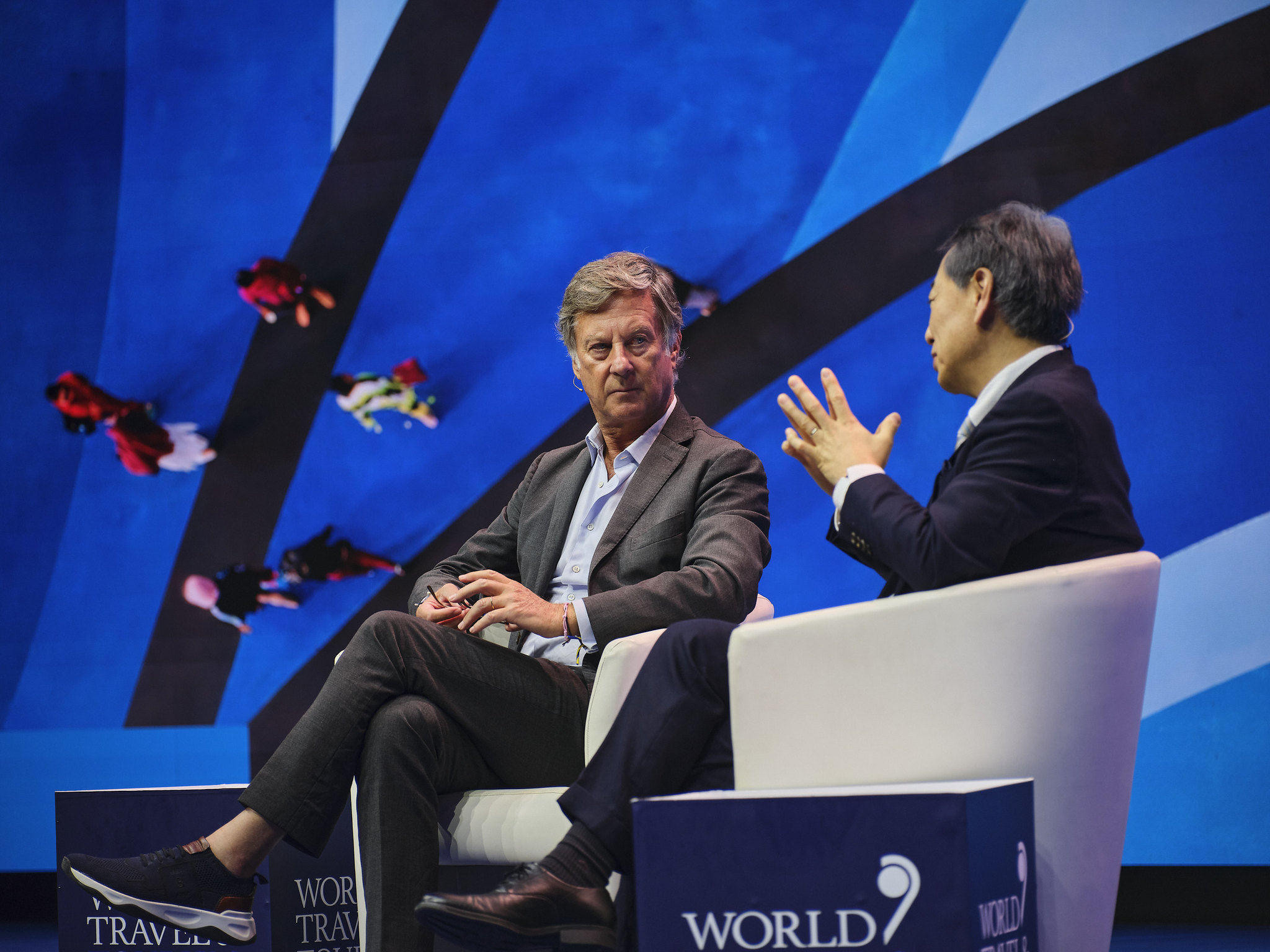
Over the course of the discussion, the two executives’ priorities drew closer together. Bazin questioned who would influence the customer relationship in the years ahead. Yamakita emphasised the capabilities and cooperation needed to keep enriching it.
For businesses planning the next decade, their exchange offers a useful discipline: consider technology, talent and partnerships together. Decisions about how to reach a traveller have consequences for the people who welcome them — and for the destination whose promise they have come to experience.