
At the WTTC Global Summit in Malta in October 2026, tourism’s sustainability debate came down to practical business decisions: how to protect hotels, fund coastal resilience and help operators improve. Examples from Iberostar, the Global Sustainable Tourism Council and the Malta Tourism Authority showed where investment is already making a difference and what still stands in the way.
Our number one corporate risk is climate.
For Gloria Fluxà, Vice-Chairman and Chief Sustainability Officer at Iberostar and WTTC Vice-Chair of Sustainability, the reason to act is already part of the company’s risk assessment.
Climate affects the buildings hotel companies operate, the resources they depend on and the destinations guests come to experience. It also raises questions about business continuity and the future insurability of tourism assets.
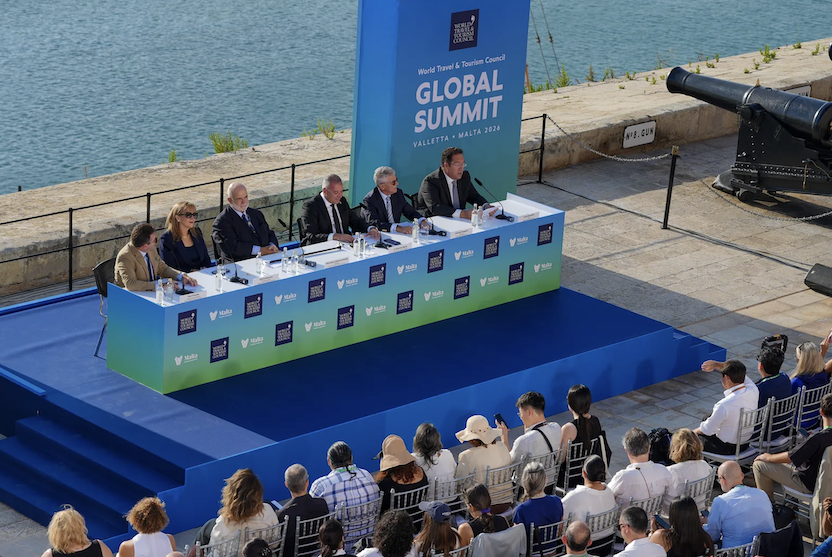
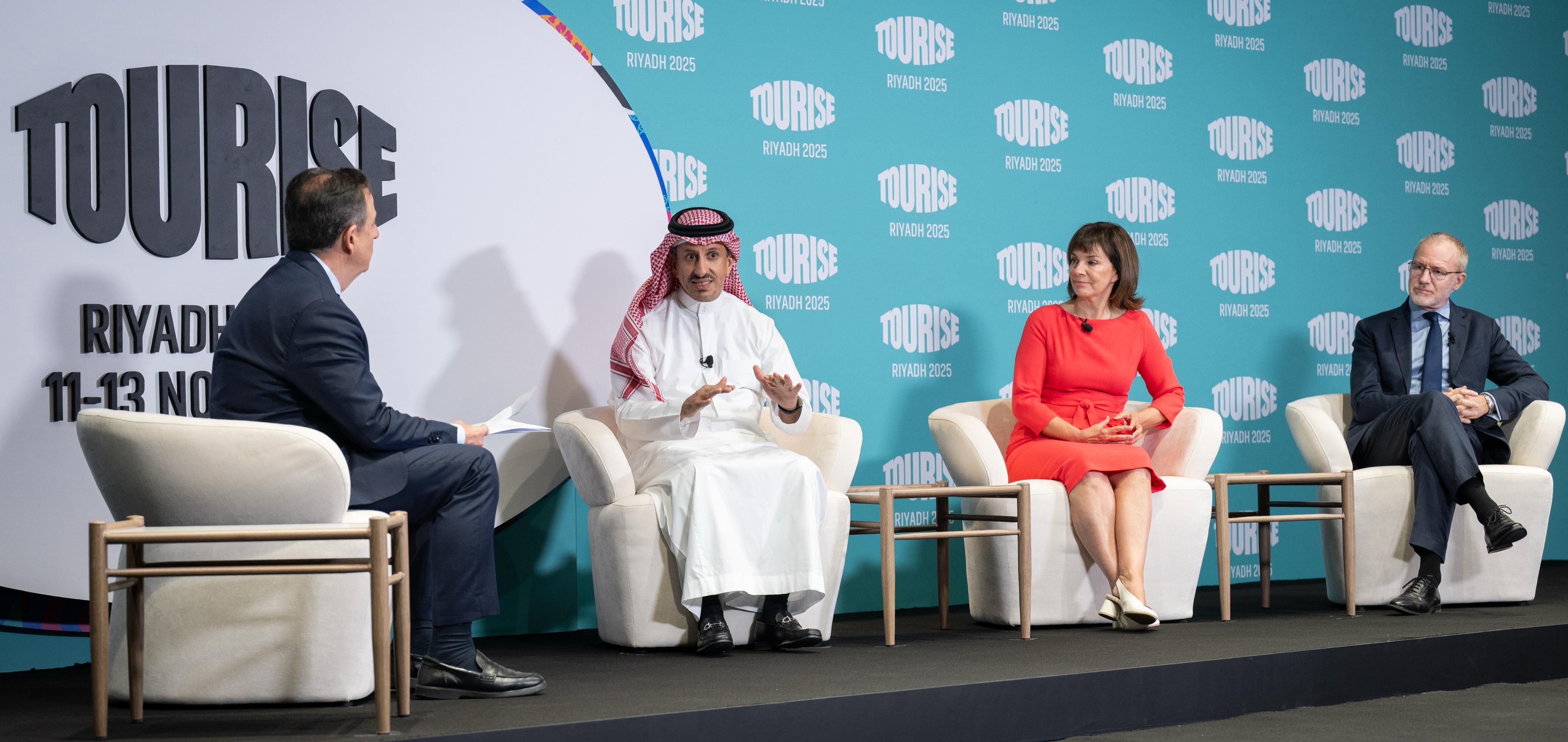
These concerns shaped The Cost of Inaction: Resetting Investment to Safeguard the Future, a discussion moderated by Financial Times journalist Stephanie Stacey. Joining Fluxà were Randy Durband, CEO of the Global Sustainable Tourism Council (GSTC), and Kevin Fsadni, Deputy CEO and Chief Officer for Product and Regulatory at the Malta Tourism Authority.
Their contributions exposed a familiar gap: destinations and businesses need to prepare for long-term risks, while budgets, resources and management priorities often follow much shorter cycles.
The coast is part of the balance sheet
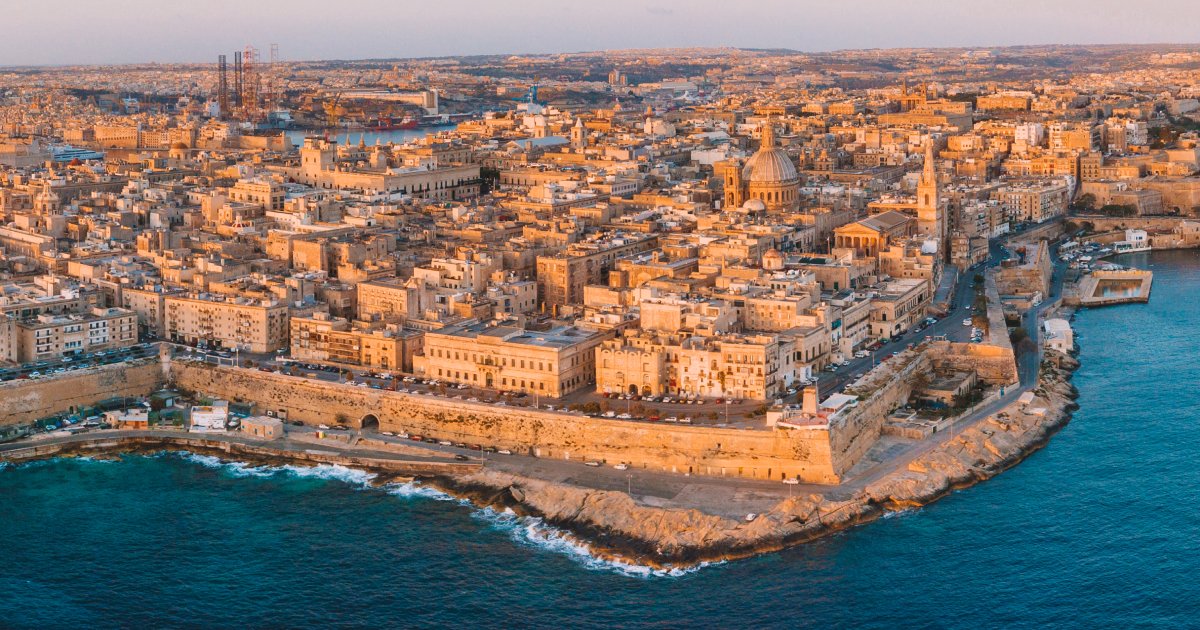
For Malta, protecting the coastline means protecting far more than a visitor attraction. Much of the island’s urban life and tourism activity sits along the shore.
Fsadni recalled the loss of the Azure Window, the rock formation that once featured prominently in Malta’s destination marketing. A storm destroyed it in a single day.
Fsadni acknowledged the limits of coastal protection:
We have to accept the fact that we cannot protect everything.
That reality makes priorities essential. Fsadni described initiatives involving beach management and replenishment, marine protection and artificial reefs. Yet individual projects need sustained funding and a long-term strategy behind them.
For a small island, he noted, the per capita cost of adaptation is particularly high. The challenge is to start setting aside resources while there is still time to plan, rather than wait until damage forces an emergency response.
His argument also points to a wider issue for tourism: protecting a destination requires investment beyond the boundaries of any single hotel. Water systems, waste management and coastal infrastructure all help determine whether businesses can continue to operate.
 Randy Durband, CEO of the Global Sustainable Tourism Council (GSTC), and Kevin Fsadni, Deputy CEO and Chief Officer for Product and Regulatory at the Malta Tourism Authority during “The Cost of Inaction” at the WTTC Global Summit in Malta.
At Iberostar, the work starts with people
Asked how companies should begin, Fluxà’s first answer was talent.
Iberostar has brought marine biologists, ecologists and engineers into teams working alongside hotel operations. Their role is to connect scientific knowledge with decisions about energy, water, procurement and ecosystems.
Science shows you the way. Data gives you accountability,
She offered several examples. In Mallorca, Iberostar operates a green hydrogen fuel cell using hydrogen produced locally with solar energy. In the Dominican Republic, the group’s travel business has introduced an all-electric fleet for destination management services. According to Fluxà, that fleet had covered one million kilometres in less than a year.
The approach is to test solutions in operating conditions, understand where they work and explore how they can be scaled.
That also requires changes in how performance is managed. Fluxà explained that Iberostar tracks sustainability indicators alongside guest satisfaction and employee engagement. These measures help align teams and direct innovation towards specific operational needs.
Better data makes a large task more manageable
Procurement offered one of the clearest examples of how measurement can guide action.
With more than 11,000 suppliers, Iberostar faces a complex procurement challenge. Yet Fluxà said its emissions analysis identified 60 suppliers with a particularly large footprint, giving the group a clearer starting point for action.
The practical lesson was about focus. A supply chain that initially appears too complex to address becomes more manageable when a company identifies where its largest impacts sit.
The next step, she explained, is to turn those suppliers into partners, working together on emissions, water and biodiversity.
For tourism businesses, this gives measurement a clear purpose: helping managers decide where to act first and which relationships can deliver the greatest progress.
Nature becomes part of asset protection
Fluxà also described how ecosystems can contribute to the resilience of hotel properties.
In Jamaica, Iberostar helped restore a coral reef in front of one of its properties, working with local people. Following a hurricane, she said, the hotel was able to resume operations within 14 days. She attributed that recovery to a combination of the team’s response, the way the property had been built and nature-based protection.
Fluxà stressed that different measures work together. Coral reefs can reduce wave energy; mangroves can help limit flooding; vegetation can help address rising temperatures.
Iberostar is working with insurers and brokers to combine operational data with risk modelling and assess how these measures protect assets. This work aims to establish how ecosystem protection can reduce a property’s exposure to climate hazards and inform insurers’ assessment of risk.
 Gloria Fluxà, Vice-Chairman & Chief Sustainability Officer at Iberostar and WTTC Vice-Chair of Sustainability, speaking during “The Cost of Inaction” at the WTTC Global Summit in Malta.
Certification needs evidence behind it
For Durband, certification serves two main purposes: it gives businesses a structured route to improvement and provides external credibility for their achievements.
Certification provides two important functions. One, it creates a discipline and a roadmap for improvement.
— Randy Durband, CEO, Global Sustainable Tourism Council (GSTC)
An audit requires operators to measure performance, organise evidence and demonstrate what they have done.
But the value depends on the quality of the system. Durband criticised the proliferation of labels with widely varying standards, warning that the market often struggles to distinguish between them. He urged business leaders to look closely at the requirements and checks behind a claim.
He also highlighted inconsistent carbon measurement across hospitality, pointing to the Hotel Carbon Measurement Initiative (HCMI) as a common tool that could be used more widely.
His argument connected measurement and certification. Better internal data makes external auditing easier, while credible auditing strengthens the claims a business can make.
Give hotels a starting point and a route forward
Rigorous requirements can still feel daunting to hotels with limited staff, expertise or funding.
Durband made the case for a step-by-step approach, highlighting the partnership between WTTC and GSTC around the Basics programmes.
The entry level, he explained, should be a bridge towards stronger performance. It should not become a label that allows an operator to remain indefinitely at the same stage.
Fsadni described the practical support required in Malta: training, close engagement with hotels and incentives that help operators act.
He also highlighted the influence of hotel brands. A certification requirement from a brand can give an operator a commercial reason to move forward, reinforcing the work of public authorities.
His stated ambition is for all Malta’s hotels to be eco-certified by 2030. Reaching that goal will require both clear direction and continued assistance.
Listen more closely to guests
Towards the end of the discussion, Durband raised another weakness: the industry’s limited understanding of what guests expect from sustainability.
He called for more specific questions and more opportunities to listen during the stay. Asking guests to publish an online review will not capture every concern or suggestion they might be willing to share directly with a hotel team.
The discussion did not settle the question of whether an expressed preference for sustainable travel translates into a willingness to pay more. It did make the case for better research before businesses draw conclusions about their customers.
Fluxà brought the issue back to the experience itself.
Sustainability needs to go hand in hand with quality.
That provides a practical test for new measures: they need to improve environmental performance while delivering a satisfying stay.
The examples shared in Malta point to practical priorities: invest in expertise, use data to target action and support hotels through measurable improvements. Fluxà’s call for systemic change also highlights the limits of acting alone. Protecting destinations will require businesses, governments and international organisations to plan and invest together — over a longer horizon than their usual budget cycles.